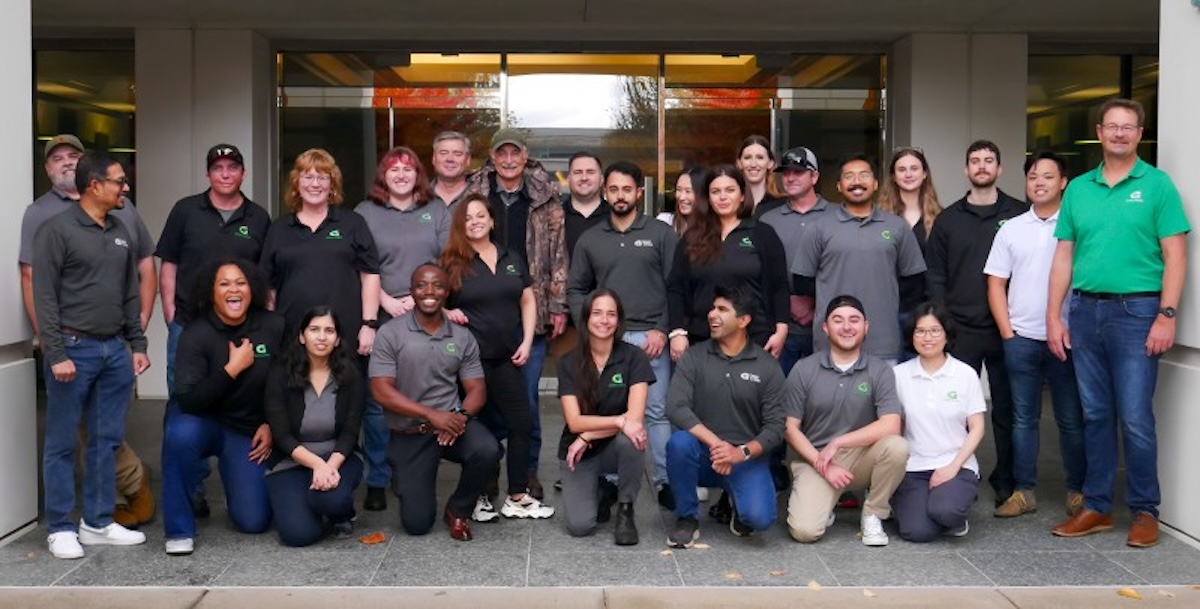
We sat down with Jeff Pickles, co-founder of Green Grid Inc., to talk about how his team uses SOLIDWORKS to design the AI-powered sensors that keep utility grids resilient and help prevent wildfires. He shares Green Grid’s journey from mechanical and aerospace engineering roots to real-time physical AI monitoring, along with candid insights on fundraising, hiring, and what’s next on the product roadmap.
Green Grid’s Origin Story
What is your role and background at Green Grid? What do you love most about it? How did you end up there, and what experiences shaped your approach?
I’m Jeff Pickles, co-founder of Green Grid Inc. alongside my awesome business partner Chinmoy Saha. We launched the company in 2011 after working together at a defense and technology firm in Silicon Valley. Both of our backgrounds are in mechanical and aerospace engineering, and SOLIDWORKS has been our go-to design tool since 1998. For us, it’s always been the bridge from napkin sketch to functional prototype.
Early in my career I focused on complex energy systems including everything from steam reformers for hydrogen production to massive assemblies with hundreds of sensors, valves, and fittings. When utility-scale solar took off, we moved into mapping and LIDAR to optimize shading and panel placement. That work naturally evolved into helping utilities understand vegetation risks around power lines.
Utilities approached us with a growing problem: wildfires sparked by tree contact with lines. We already had deep LIDAR and 3D modeling expertise from solar projects, so we built automated systems to detect and map every tree. But we quickly realized one-time flyovers weren’t enough. Power infrastructure needs real-time monitoring. This is the same principle we’ve applied to every other high-stakes system we’ve ever engineered. That insight became the foundation for Green Grid Inc.’s mission.
Building Real-Time Physical AI Inspectors
How would you describe the technology you’ve built?
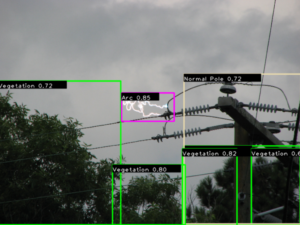
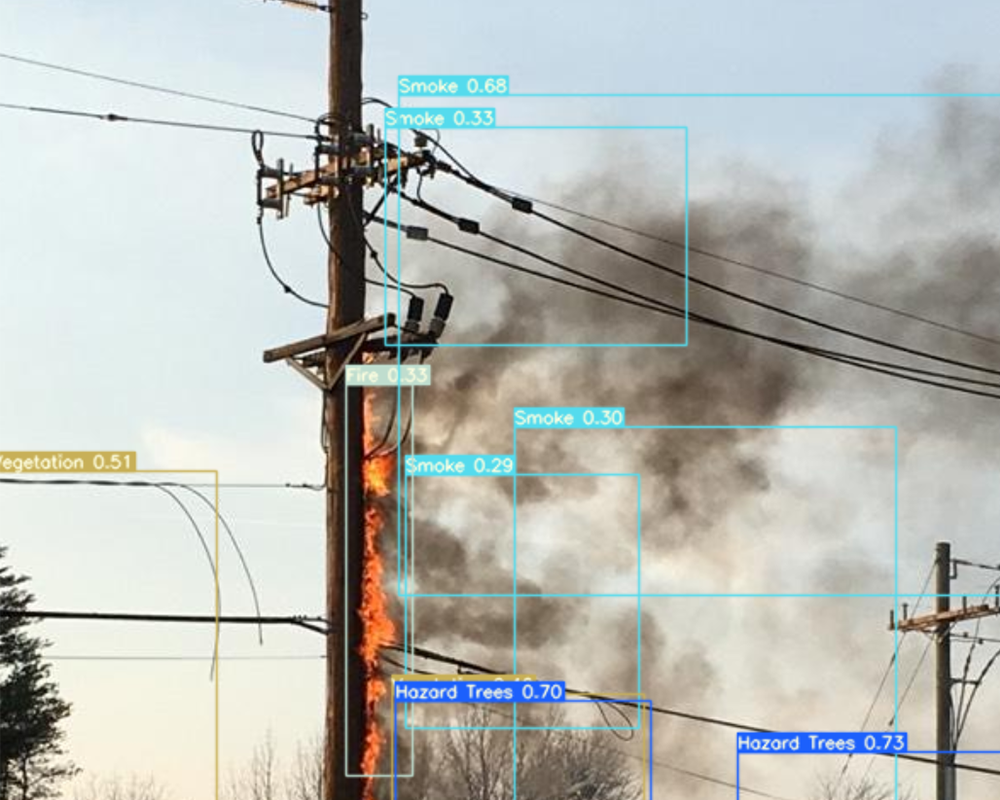
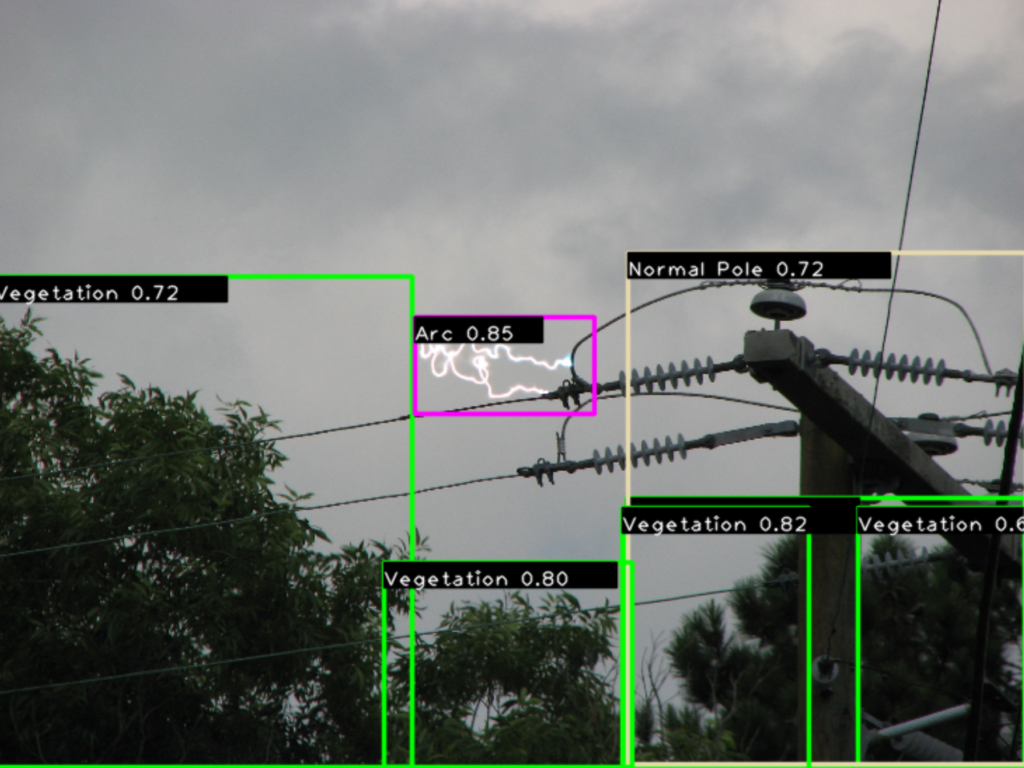
We call it iSIU® (Instant Situational Insights for Utilities). It’s an AI-powered, always-on inspector that watches power lines 24/7. Using computer vision, thermal imaging, weather sensors, and edge AI, it detects risks before they become outages or fires. It detects things like vegetation encroachment, loose or broken hardware, object contact, animal activity, ice buildup, or equipment failure.
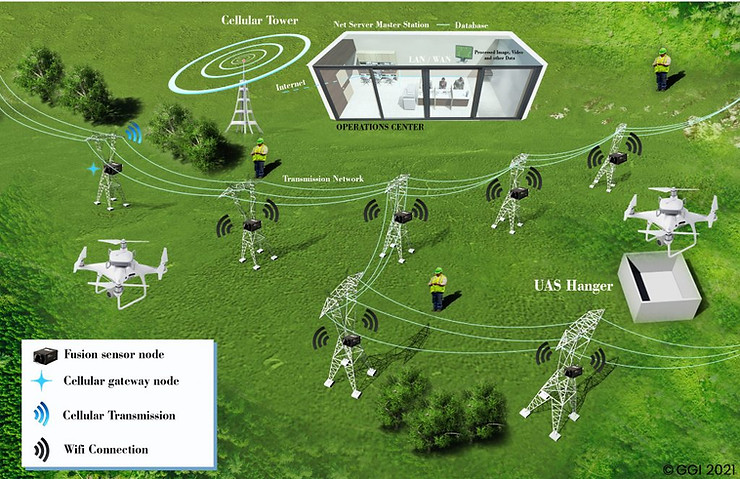
Unlike traditional cyclic inspections, iSIU® delivers actionable video alerts the moment a problem appears. Utilities get exact location, visuals, and risk level, so crews arrive prepared with the right parts and tools. It’s shifting the industry from time-based maintenance to true condition-based maintenance at massive scale.
Using SOLIDWORKS to Design Resilient Hardware
What role does SOLIDWORKS play in your product development?
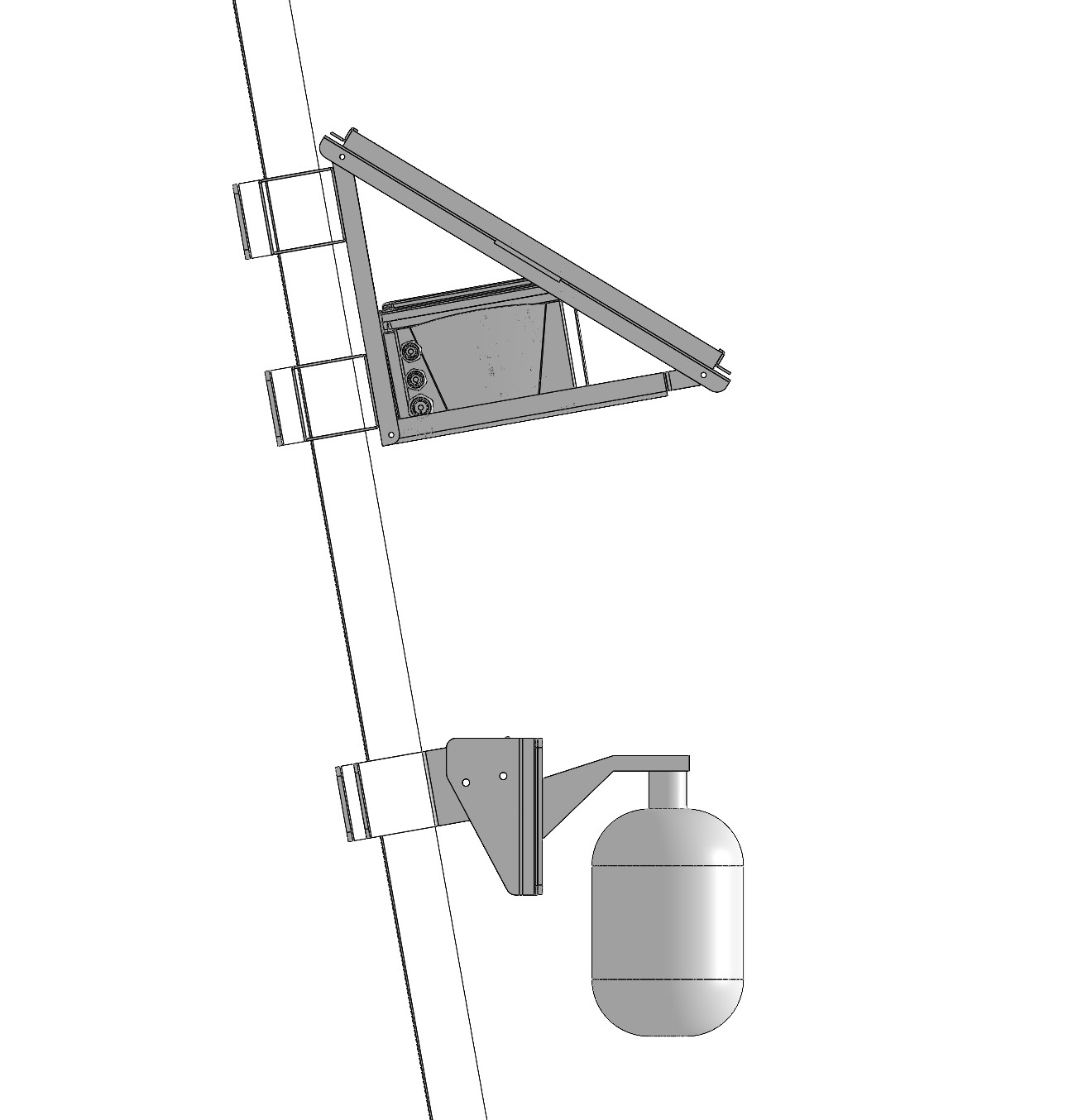
SOLIDWORKS is foundational — it’s how we design every enclosure, bracket, solar/battery system, and sensor package. We use it for component selection, thermal and airflow analysis, packaging optimization, and full assembly modeling. Because our devices operate in remote, harsh environments, we simulate real-world conditions early and iterate fast.
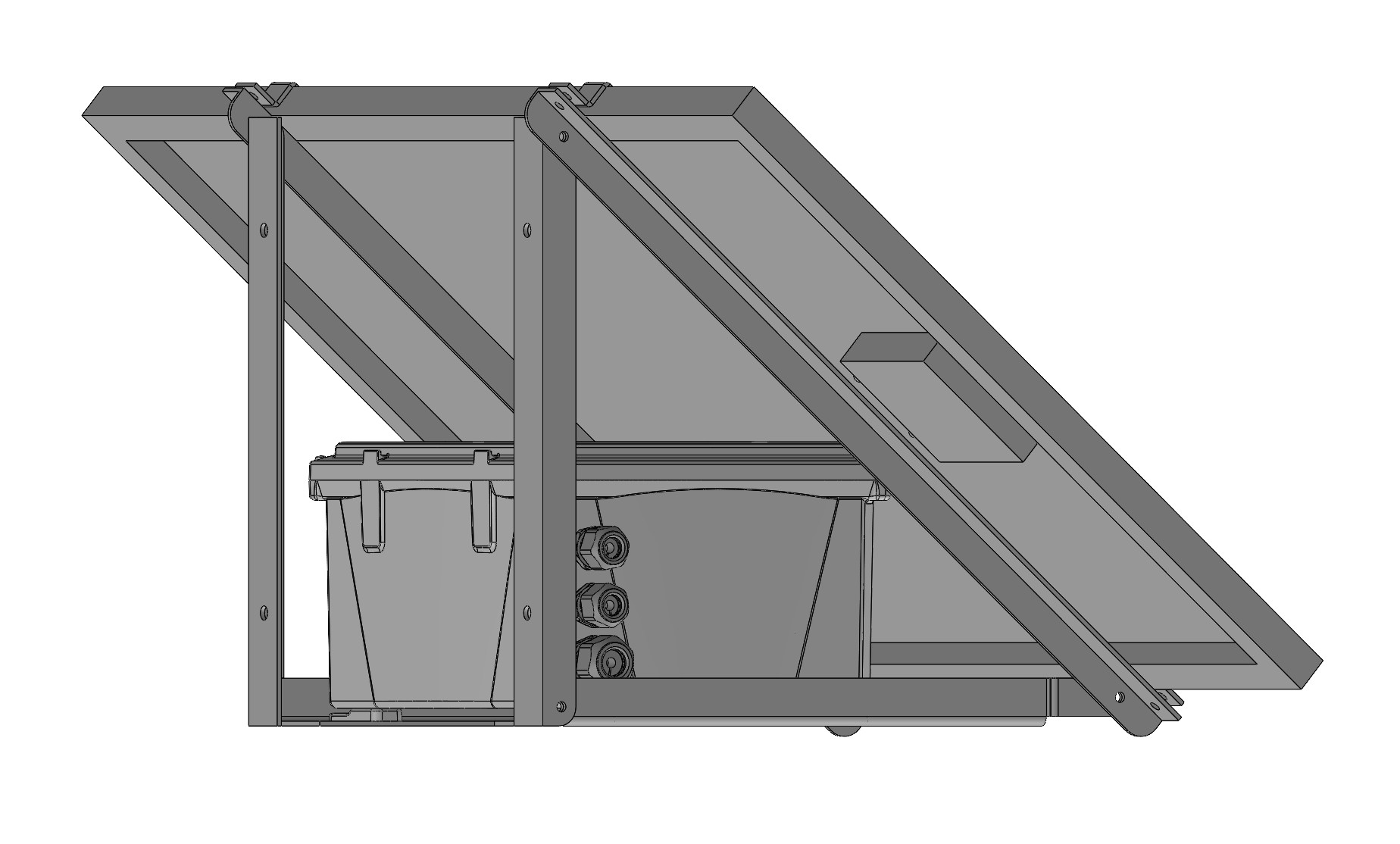
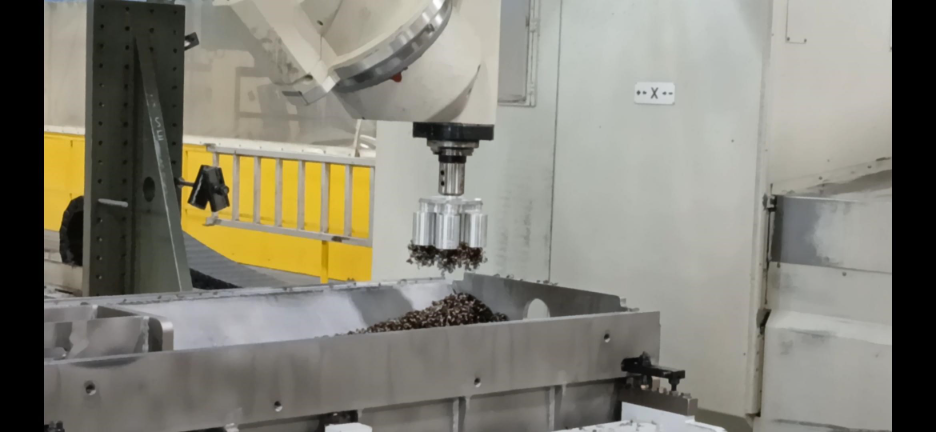
We also leverage it for rapid prototyping and on-demand manufacturing. I can design a sheet-metal bracket, send the flat pattern to a partner, and receive a perfectly welded, powder-coated part days later. It’s still the fastest, most intuitive way to turn ideas into reliable hardware. The startup support program from SOLIDWORKS gave us two full licenses with FEA and CFD when we were just getting started. The startup program was game-changing.
Thermal Simulation and Enclosure Design with SOLIDWORKS
What’s the biggest design challenge you’ve solved with SOLIDWORKS?
Packaging sophisticated cameras, multi-sensor fusion, cellular/satellite connectivity, solar, and batteries into a compact, weatherproof unit that can be installed on almost any pole or tower. SOLIDWORKS lets us explore the needed configurations quickly, optimize thermal performance, ensure parts fit perfectly, and generate manufacturing-ready drawings on demand. It dramatically improves prototype maturity and reduces costly revisions.
Real-World Impact and an $80M Pipeline
Can you share some of the product’s real-world impact and current scale?
Even with just 17 sensors deployed so far, we’re already proving transformative value. One utility moved from two sensors to a full high-risk circuit deployment after seeing immediate results. The cameras can see details up to half a mile, so just 2–4 units per mile deliver comprehensive coverage in high-risk areas.
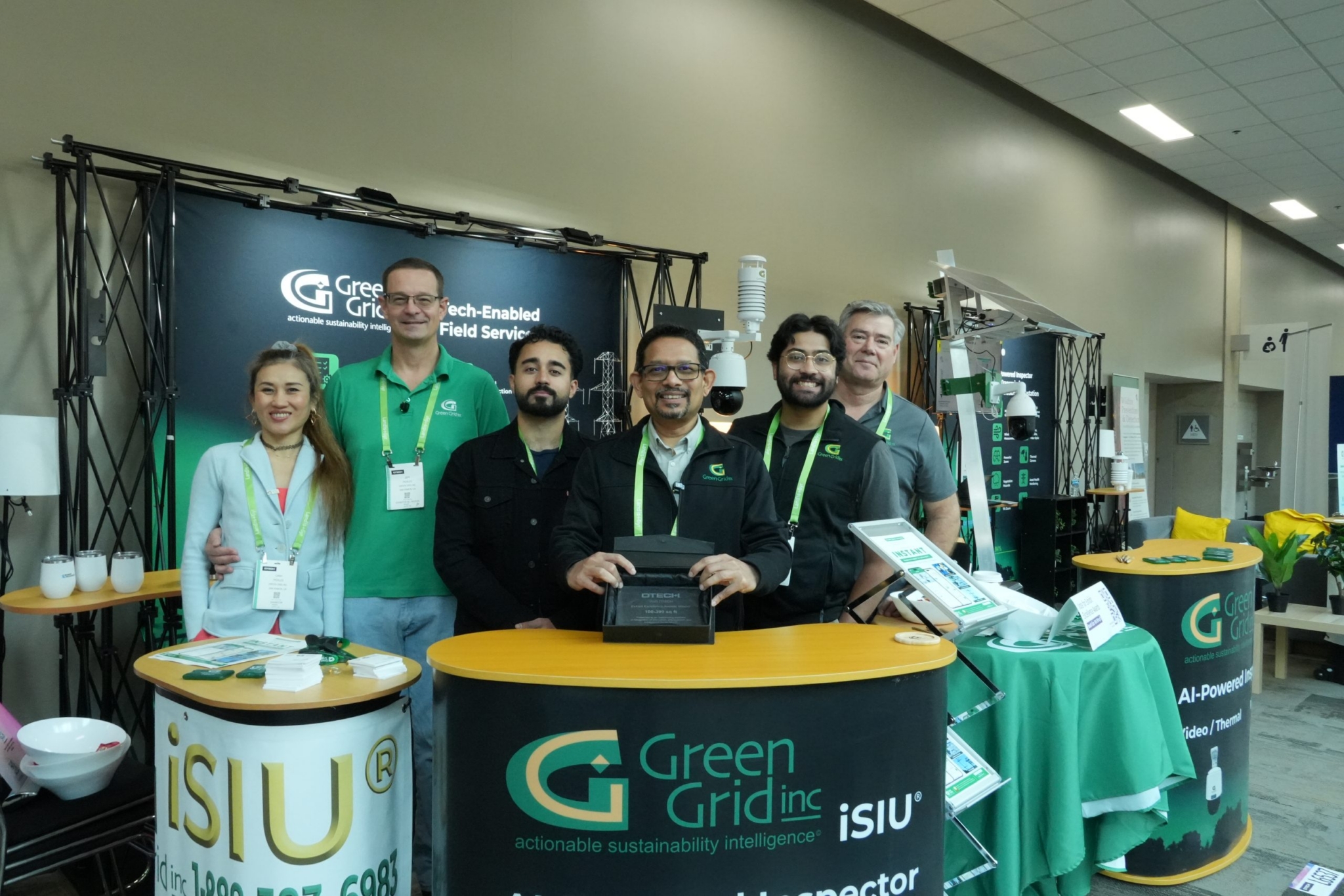
We recently won an award at DTECH® (voted on by utilities themselves) and have an $80 million pipeline of serious opportunities. The product only officially launched in 2024, but the underlying technology and patents were years in the making. We’re a small, agile startup, yet we’re already the leader in physical AI for grid resilience.
Fundraising, Hiring, and 2026–2027 Product Roadmap
What’s next for Green Grid Inc.?
We’re just getting started. Miniaturization, additional sensors, lower cost-per-unit, and even richer AI capabilities are all on the roadmap for 2026–2027. We’re actively raising capital in a seed-extension round to scale sales, engineering, and manufacturing to meet demand. We’re also hiring across sales, full-stack engineering, AI model development, electrical/mechanical design, and manufacturing operations. If you’re excited about building the future of infrastructure resilience, we’d love to talk.
Anything else you’d like people to know?
The name “Green Grid” has a double meaning. Like a stoplight, “green” means go. Everything is safe, operational, and moving forward. We want every critical utility grid (electric, water, communications, transportation) to stay green: clean, safe, secure, and reliable. That’s the future we’re building.
Check out more customer interviews.
Want to learn more about Green Grid Inc. or discuss how iSIU® can strengthen your utility operations? Visit greengridinc.com or check them out on YouTube, LinkedIn, or Instagram.