We sat down with Doug Voight, Senior CNC Programmer at Park Industries — the OEM behind some of the most advanced CNC saws, waterjets, and routers on the market. From launching complex 10-axis mill-turn machines to inventing a magnetic chip-removal tool and exploring agentic AI for CAMWorks, Doug brings 13 years of hands-on expertise and infectious passion for smarter manufacturing.
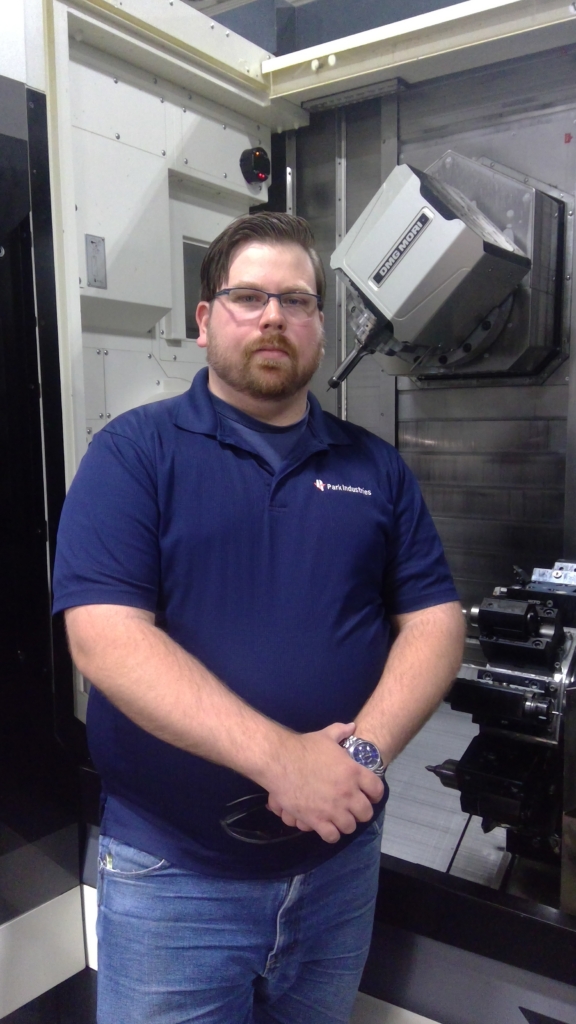 Doug Voight, Senior CNC Programmer at Park Industries, stands beside one of the company’s CNC machines.
How’d you get into engineering?
As a young machinist, I noticed that machine controls and automation were very generic. I found myself constantly repeating information to the machines and thought that there must be a more sensible way to use them. I made it my mission to learn all aspects of CNC controls.
What’s an actual day in the life like for you?
My days vary quite a bit, but generally, they go something like this:
- Wish my wife and 3 kids a nice day. Smile because I’m blessed.
- Arrive at work, field a few operator questions and program updates.
- Work on some new function program, or perhaps some ladder updates as requested.
- Build probing routines for workpiece identification, inspection, etc.
- Fixture design for new products as needed.
- Add features to my growing library of Eureka simulators.
- Collaborate with other departments on internal projects.
- Improve/update programming tools.
- Work with Park’s mechanical engineering staff on design to manufacture.
What do you think about the resurgence of US manufacturing? What more do you think could be done to encourage manufacturing in the US?
I welcome it. I think it’s long overdue. The supply chain vulnerabilities that exposed themselves during COVID were obvious well before 2020. I think it’s more important than ever for us to have domestic supply chains and energy streams.
As for encouraging more, that’s a difficult problem. We could talk about flexible automation, lights-out production, etc., but I believe American manufacturing will always be on the hind foot so long as its people are content to chase the bottom dollar without regard to the second and third order effects. Unless that changes, I fear this resurgence will fade with the memory of COVID.
So, how do we change the culture?
How often are you using LLMs in your day-to-day compared to two years ago?
I am just beginning to use them on the daily. Two years ago, I’d never touched one. I am currently exploring agentic AI for my specific applications. I also have ideas for some killer API customizations in CAMWorks — I think AI could help me realize them.
How’d you end up working at Park Industries?
I toured the shop as a young machinist and recognized the unique growth potential available. Park is an OEM manufacturer of CNC saws, waterjets and routers that handles all stages of production. I knew that getting a foot in the door would lead to many opportunities and cross-discipline exposure.
I took the job on the spot and I have yet to regret it, 13 years on.
Get a sneak peak of the shop floor and machines at Park Industries.
What are you working on the most these days?
Building programming tools, being technical support for the shop, and internal projects.
 This 10-axis DMG NTX2500SZY mill-turn base replaced older turret lathes with tailstocks.
 The two-channel, twin-spindle mill-turn design added seventy-six tools over the earlier setup.
What’s the most fun or quirky project you’ve ever worked on?
Launching our 10-axis DMG NTX2500SZY. It was by far the most complex machine tool I’ve worked on, but it was a huge leap forward for us. We went from turret lathes with tailstocks to a two-channel, twin spindle mill-turn with 76 tools. At the time, it felt like we’d jumped out of a buggy and into a space shuttle.
We then added a bar feeder, and I developed a programming strategy that allows every workpiece program to be a main, sub or pass-through program. We can mix and match any number of programs on a given bar size, and the machine will switch parts to consume the bar down to a nub. It only stops to cue the operator to change the collet on the sub spindle as needed (they’re quick-change).
Do you have any side quests or pet projects?
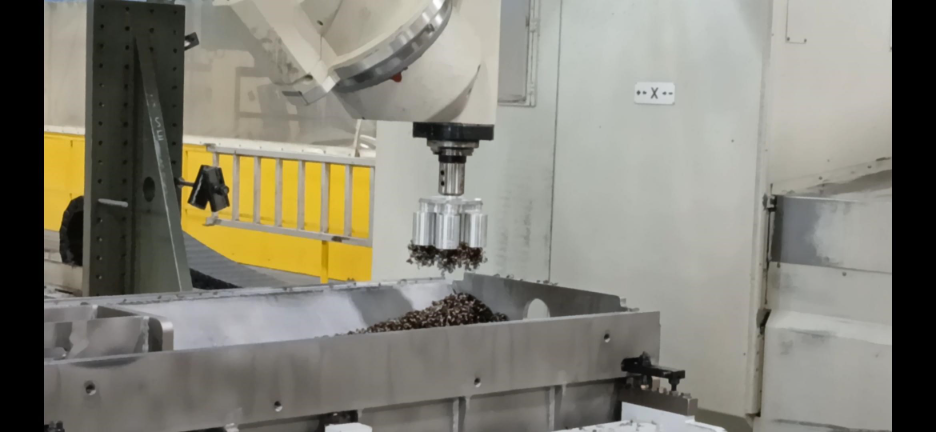 Building programming tools and supporting the shop floor keeps machines like this running smoothly.
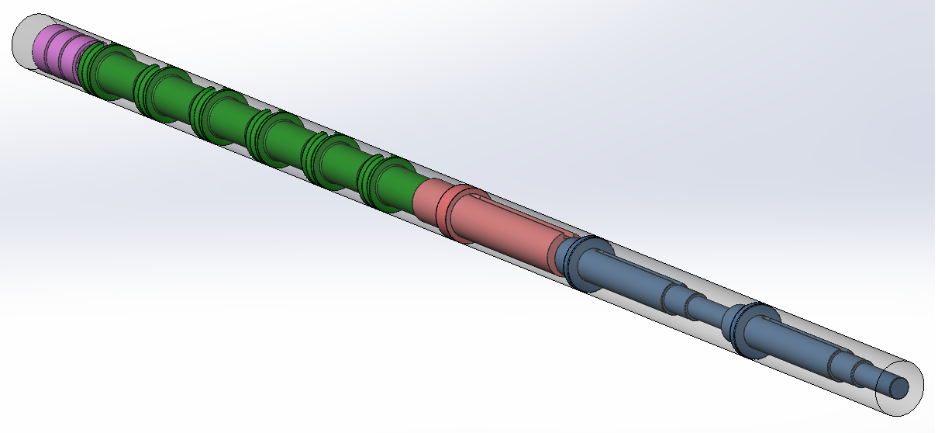
- Last year I had a difficult problem of large, heavy chips getting trapped in some workpieces. Chip fans, air nozzles, coolant blasts, etc. were not moving the goods. I designed and built a magnetic device that uses the machine’s through-spindle air supply to drop the chips, and it mounts in a standard tool holder. I can “peck” the magnet in and out with a simple canned cycle until the part is clean enough to proceed with further machining. It’s reliable, albeit a little bit slow.
- Relearning Arduino IDE so that I can help my 10-year-old son take over the world with his 3D printer and imagination.
What’s the coolest company or project you’ve worked with? What’d you get to work on and why it was enjoyable?
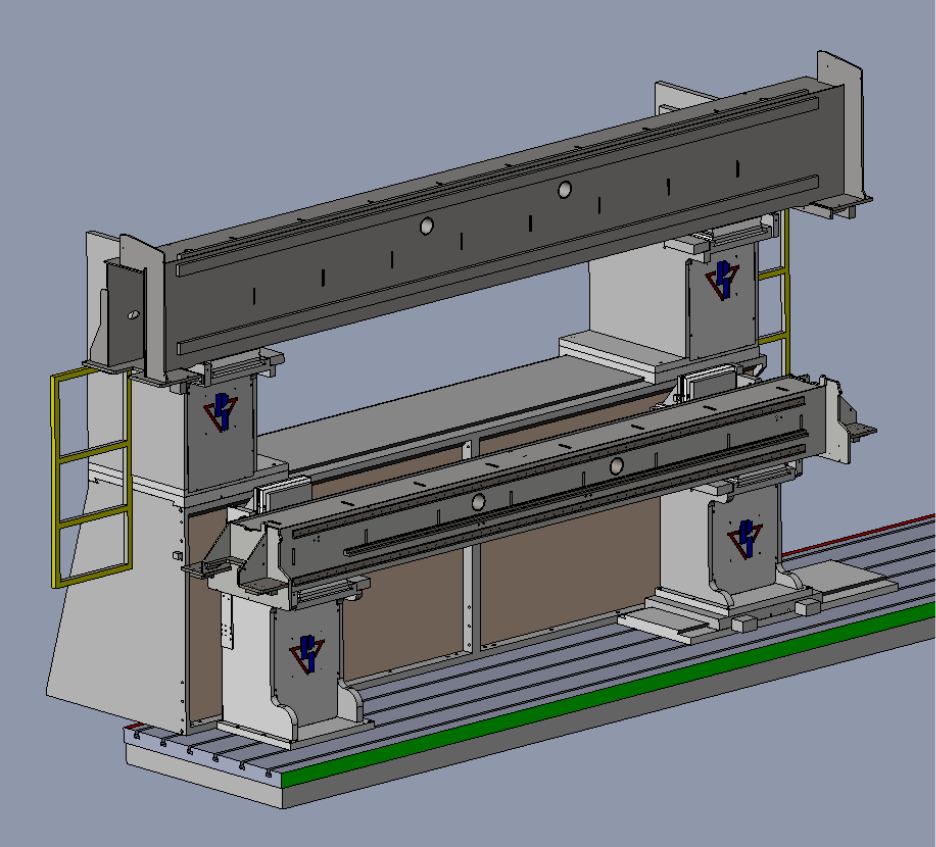
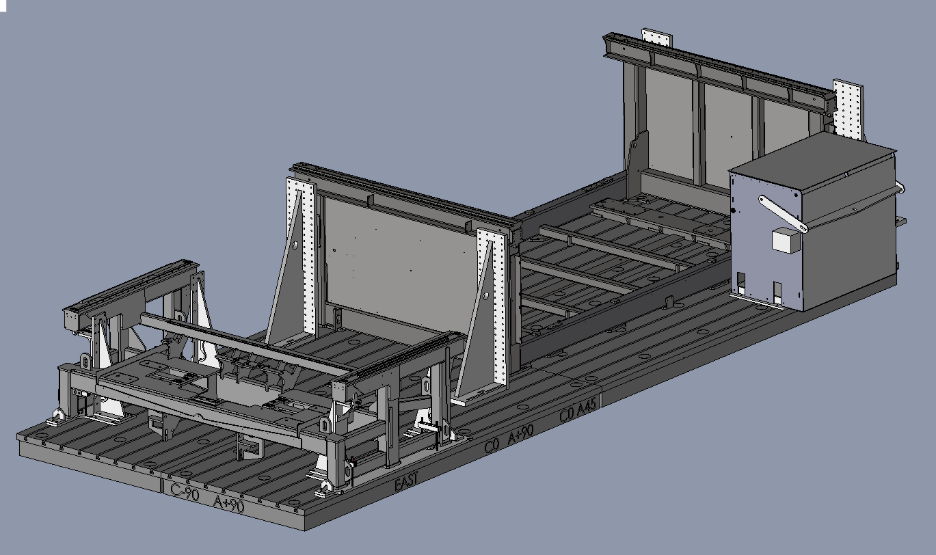
JOBS Spa of Italy. They have some incredible machine tools and installations in many impressive shops. They built two of our large mills. I was involved in the launches of both of these machines, working with JOBS to modify the systems to our liking and build custom features.
I’ve found their technicians to be smart, professional and open-minded and we’ve developed a great working relationship that continues to bring value to both parties.
I get much satisfaction seeing these machines run every day, knowing that the tools and methods I’ve developed enable daily success while reducing the operators’ workload.
What book should every engineer read?
Your machine control manuals. You likely have untapped potential just sitting there, and you can realize gains without a CapEx.
What are you reading/watching/learning/playing currently?
- Where Eagles Dare by Alistair MacLean
- Mark Felton’s YouTube channel, and Air Crash Investigations are my go-to shows.
- I regularly play Cribbage, Catan and Euchre
- Misadventures with Remote Control vehicles.
What do you want to learn next?
SolidWorks and CAMWorks API.
Favorite engineering or dad joke or meme?
“Wow, a different error message… Finally, some progress!”
 Skipping toolpath simulation before running a program on the machine risks costly crashes.
What excites you about the future of engineering?
I think AI is going to make integrating discrete systems into cohesive production streams much simpler. There will be a lower barrier to entry to incorporate vision systems, material handling, and finishing ops to your production streams. That should have everyone excited.
Advice to people considering engineering as a career?
AI is great, but it’s not a replacement for deep technical knowledge. It performs best when guided by an experienced and discerning voice.
If you could time-travel to any point in engineering history and contribute to a famous project, where would you go and what would you do? And would you take credit or prefer to go unknown?
I would be James Watt’s shadow, there for the development of the steam engine. I would tell him, “The horsepower is a great unit of measure, but we need to talk about the Watt.” I would, however, remain anonymous. How does one eclipse the legacies of such men?
What’s the one engineering problem you’d love to solve, but it feels like it’s still 50 years away from being possible?
Holistic CAM programming. Something that’s smart enough to choose the longer tool holder because an adjacent feature is tall, or there’s another part on the machine that interferes with the chosen approach. It would have to consider everything, including the G-code sim, and alter the CAM setup in response. I don’t think there is any one software that does this, however with APIs and AI tools, a savvy user might be able to achieve some degree of this.
What’s the most absurd engineering failure you’ve ever witnessed or heard about?
The 2007 collapse of the I-35W bridge in Minneapolis. That bridge started receiving deficient ratings in 1991, yet the extent of structural repair was drilling cracks. The real shock was discovering how much normalized deviance MNDOT and USDOT were apparently comfortable with. That bridge had a rating of 50/100 in its 2006 inspection.