Every engineer has a folder of projects that have no business case, no customer, and no excuse — just curiosity and access to good tools. We dug through a decade of the Hawk Ridge Systems archive and rounded up the nerdiest (and coolest) things our engineers have designed in SOLIDWORKS, validated in SOLIDWORKS Simulation, and produced with 3D printing — in no particular order. Scientific methodology: Not zero. Engineering rigor: Pathologically precise.
Jump to a Build
- The Aztec Death Whistle That Terrified Our Office
- Fully Functional 3D Printed Medieval Armor (Articulated Gauntlet Included)
- The Fellowship’s Arsenal, Printed Life-Size
- The Loaded D20 (Cheating at D&D with Mass Properties)
- The Catapult We Simulated Like a Defense Contract
- The Pneumatic Water Balloon Cannon
- The Regulation Crab Gauge
- The Pop-Up Camper Drill Bit
- The Lightning Hook, Load-Tested to Extremes
- The One-Piece Compliant Mechanism (Designed Twice, Validated Twice)
- The 15-Minute Bookcase (Speed-Modeling as a Sport)
1. The Aztec Death Whistle That Terrified Our Office
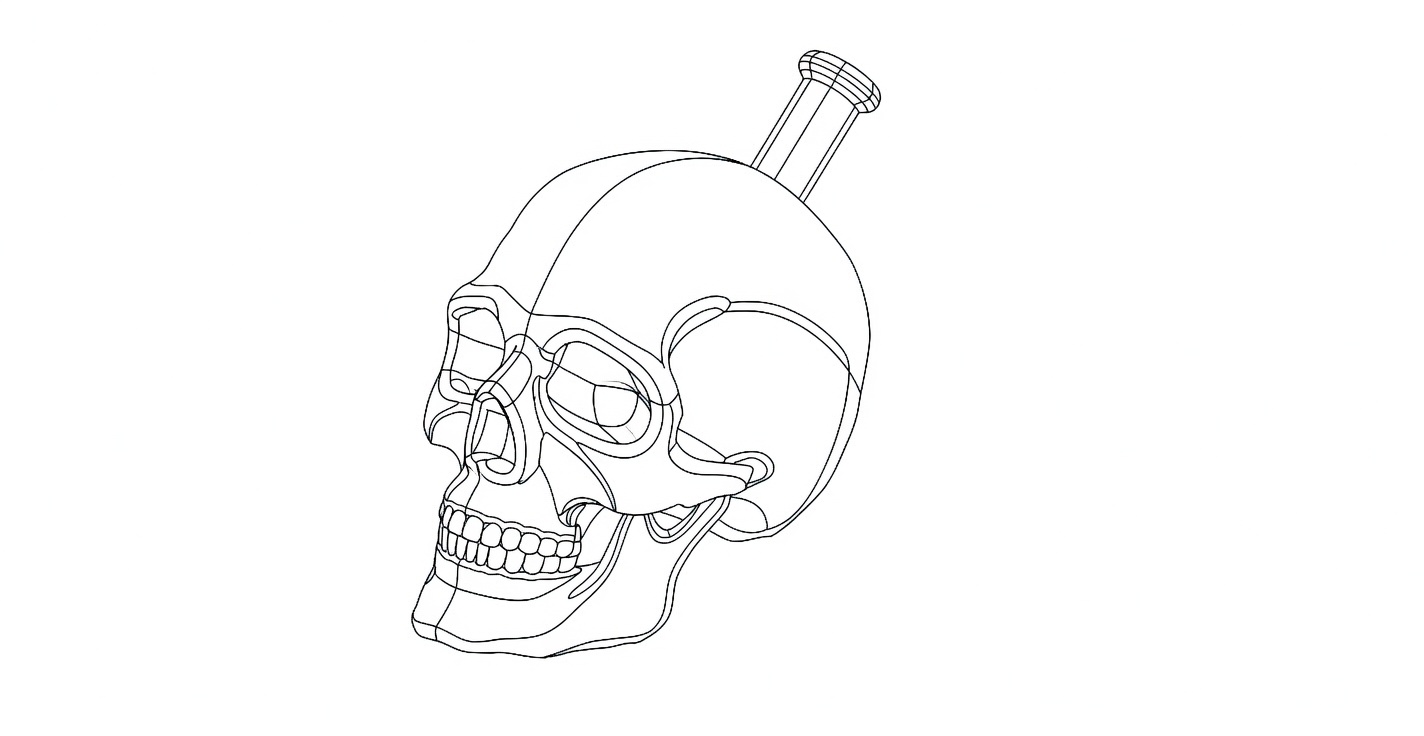
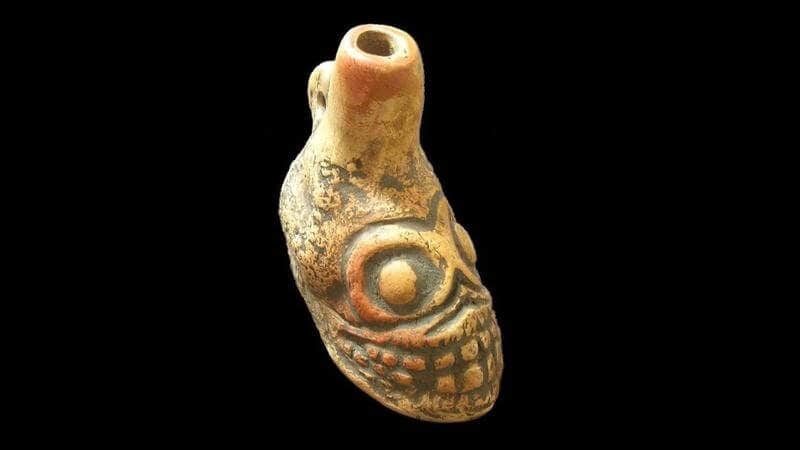
Joe McDiarmid reverse-engineered the scream-machine of the Aztecs from internet cutaways, swept the air passages with SOLIDWORKS’ Circular Profile sweep, and 3D printed a whistle that mimics “the agonizing screams of captives.” For Halloween. For coworkers.
Why it made the list: As heard on the Joe Rogan Experience — one on-air death-whistle blast in January 2020 turned it into a viral legend, and Rogan is still spooked: he refused to blow one again on JRE #2369 with Ed Calderon.
Original post: Aztec Death Whistle Designed with Hawk Ridge Systems Solutions
- Year Created: 2018
- Nerd Factor: 8/10
- Software: SOLIDWORKS 3D CAD (Sweep with Circular Profile, Revolve, Convert to Mesh Body, Combine); STL exported to slicer; SOLIDWORKS Flow Simulation flagged as a future step
- Difficulty: Beginner–Intermediate
- Area of Nerdom: Mesoamerican Acoustical Archaeology (Spooky Engineering)
- Practical Use: Office Halloween psychological warfare, or haunted-house sound design with zero speakers and one very brave volunteer.
- Optional Upgrade: Run the chambers through SOLIDWORKS Flow Simulation and tune the scream’s pitch like a terrifying musical instrument.
2. Fully Functional 3D Printed Medieval Armor (Articulated Gauntlet Included)
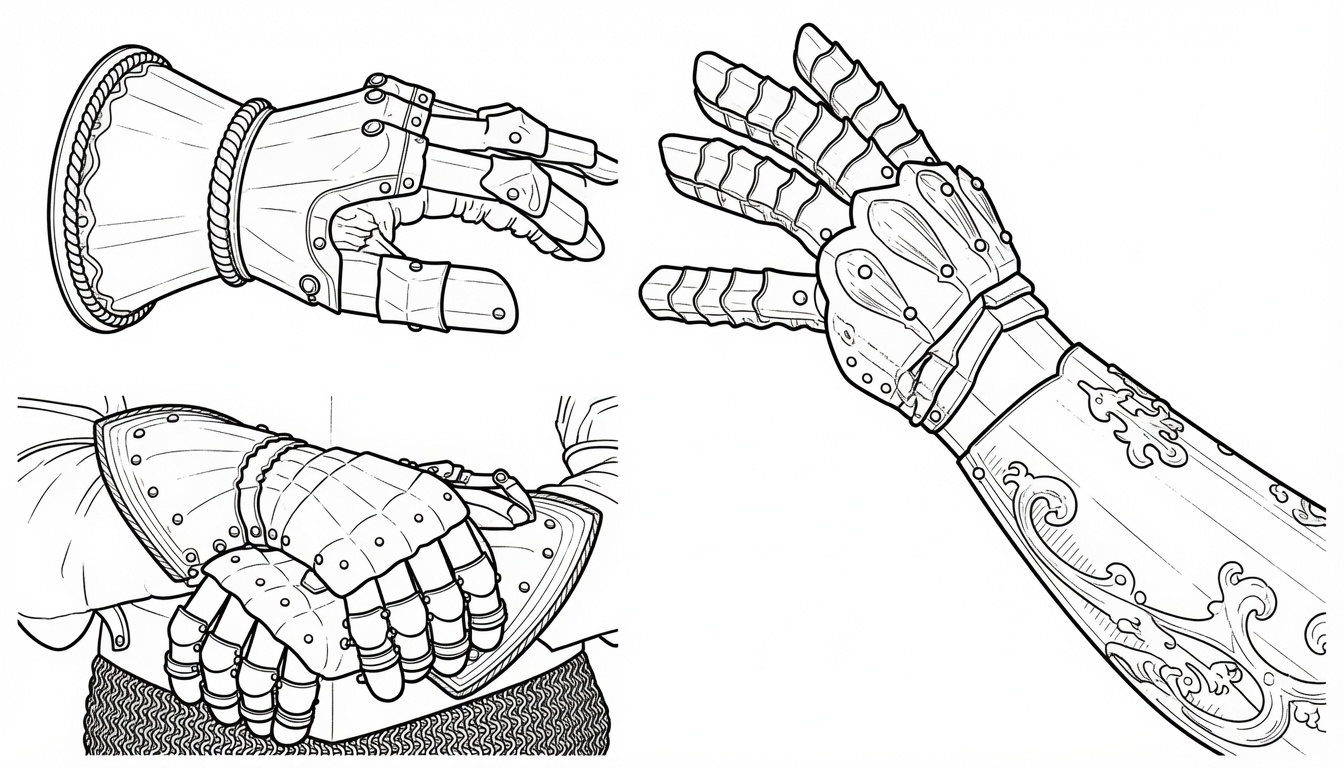

Dayne McGuire-Lavallee printed working plate armor — including individually articulated gauntlet fingers.
Why it made the list: For everyone who ever paused a fantasy epic to ask “Could I actually make that?” — the answer turned out to be yes, one articulated finger at a time.
Original post: 3D Printing: Creating Fully Functional Medieval Armour Part 1 | Part 2: Creating the Gauntlet Fingers
- Year Created: 2017
- Nerd Factor: 9/10
- Software: SOLIDWORKS 3D CAD (multibody, top-down assembly, motion study, clearance verification, surfacing)
- Printer / Process: HP Multi Jet Fusion (powder-based) — printed as one piece, no assembly
- Key specs: 0.4 mm minimum clearance between moving features; 1.5–3 mm wall thickness
- Difficulty: Advanced
- Area of Nerdom: Renaissance-Faire Engineering (Arms & Armor Historiography)
- Practical Use: Ren-faire season, LARP weekends, or protecting your dice-rolling hand during heated tabletop disputes.
- Optional Upgrade: A full articulated suit — then a Cerakote metal finish so it clanks as convincingly as it looks.
3. The Fellowship’s Arsenal, Printed Life-Size
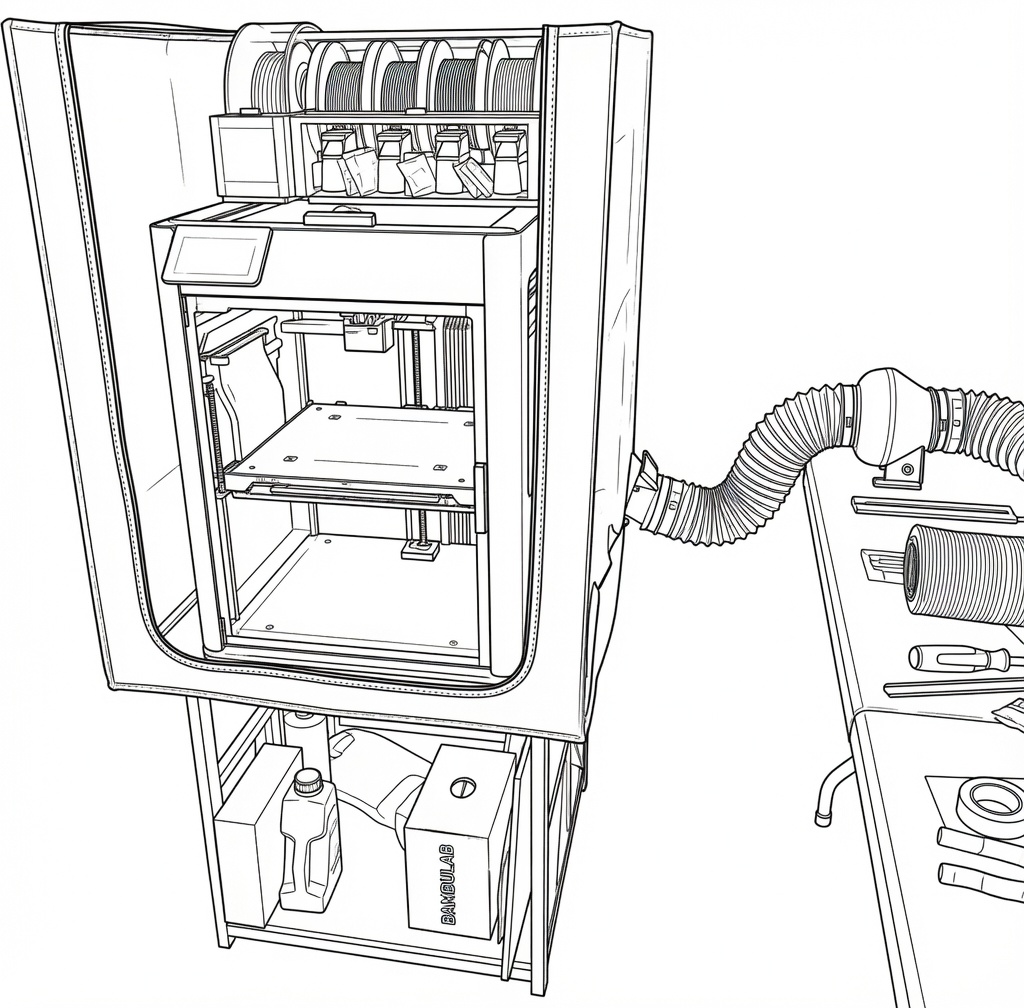
Michael Dymond — material scientist, Product Manager, and resident Dungeon Master at A3D Manufacturing — is printing the weapons of the Lord of the Rings Fellowship life-size at home: Gimli’s axe, Legolas’s bow, and more, in multiple pieces on the roughly 12-inch build plate of his Bambu Lab H2D, a consumer FDM printer popular with hobbyists and makers.
Why it made the list: The Fellowship’s arsenal is the founding text of nerd prop-making, and Middle-earth is booting back up — Peter Jackson and Andy Serkis’s The Hunt for Gollum hits theaters December 17, 2027. One does not simply buy Gimli’s axe.
Original post: Meet Michael Dymond: Material Scientist, Dungeon Master & Resident 3D Printing Nerd at A3D Manufacturing
- Year Created: 2026
- Nerd Factor: 10/10
- Printer / Process: Bambu Lab H2D FDM; weapons printed life-size in multiple pieces
- Build plate: Roughly 12-inch square (per source)
- Difficulty: Intermediate
- Area of Nerdom: Middle-earth Armory Studies (Tolkien Prop Replication)
- Practical Use: Premiere-night costume duty for The Hunt for Gollum on December 17, 2027 — the queue outside the theater is a battlefield of its own.
- Optional Upgrade: Forge Andúril next in metal FFF, so the blade that was broken can literally be reforged.
4. The Loaded D20 (Cheating at D&D with Mass Properties)
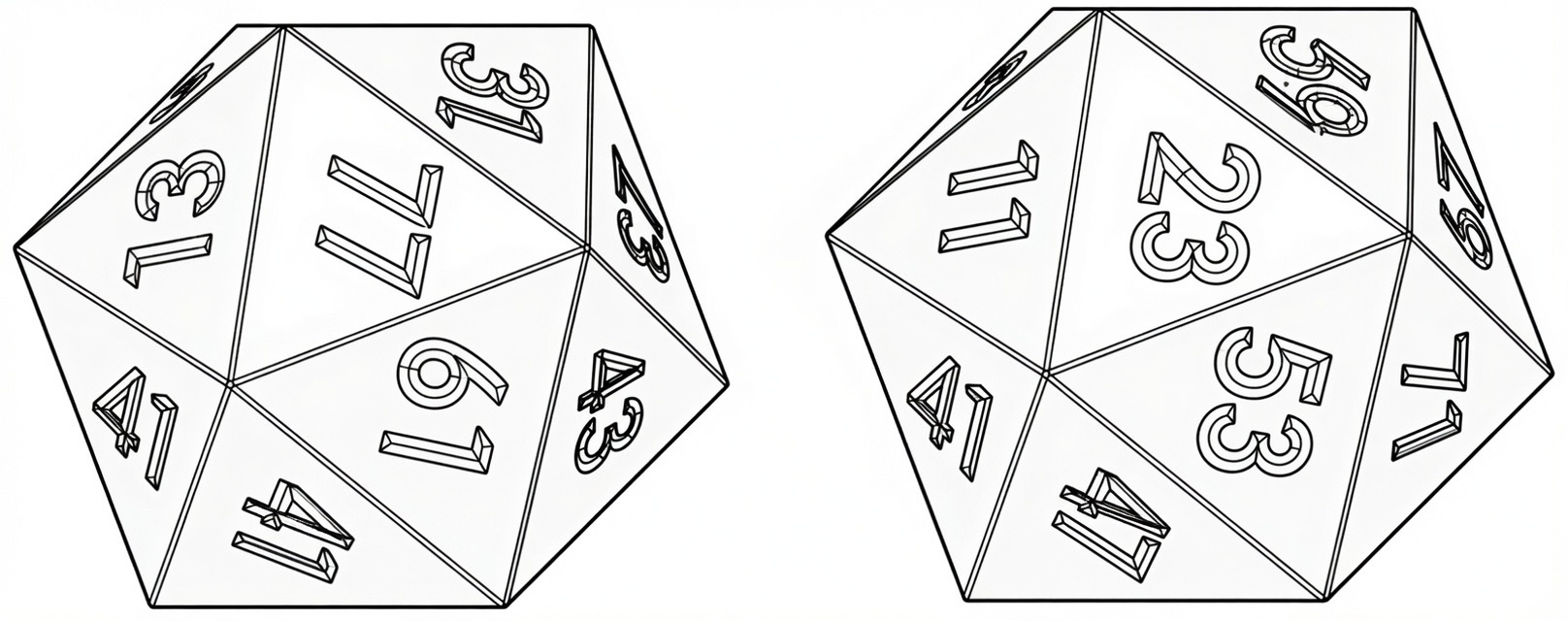
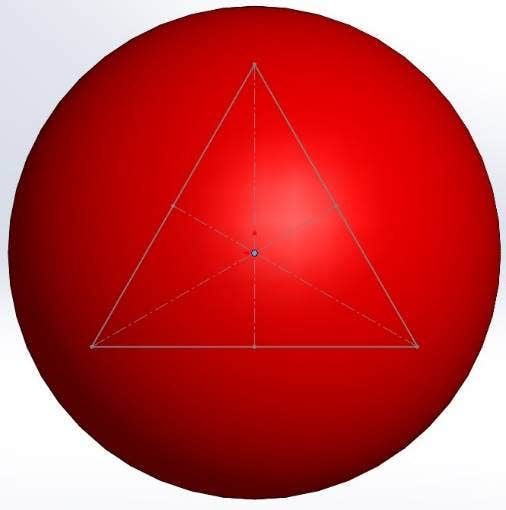
Dayne McGuire-Lavallee modeled a D20 — the icosahedral heart of every D&D table — then tried to rig it, manipulating the center of mass in SOLIDWORKS and running motion studies to see if physics would let him roll a natural 20 on demand.
Why it made the list: With Stranger Things’ fifth and final season sending D&D popularity surging again and the live-action Forgotten Realms series now streaming on Netflix, a physics-rigged D20 is peak 2026 nerd content — and secretly a mass-properties masterclass.
Original post: SOLIDWORKS: Controlling the Roll
- Year Created: 2017
- Nerd Factor: 9/10
- Software: SOLIDWORKS 3D CAD (equations/global variables, surfacing, Design Study, Sensor, Motion Study)
- Key spec: Optimal weighting-plane offset 0.44 in
- Difficulty: Intermediate
- Area of Nerdom: Applied Probability Manipulation (Tabletop Physics)
- Practical Use: When the DM calls for initiative and the campaign cannot survive another natural 1.
- Optional Upgrade: Rig a full seven-die set — each one biased toward a different number — and let motion simulation prove which friend to never trust.
5. The Catapult We Simulated Like a Defense Contract
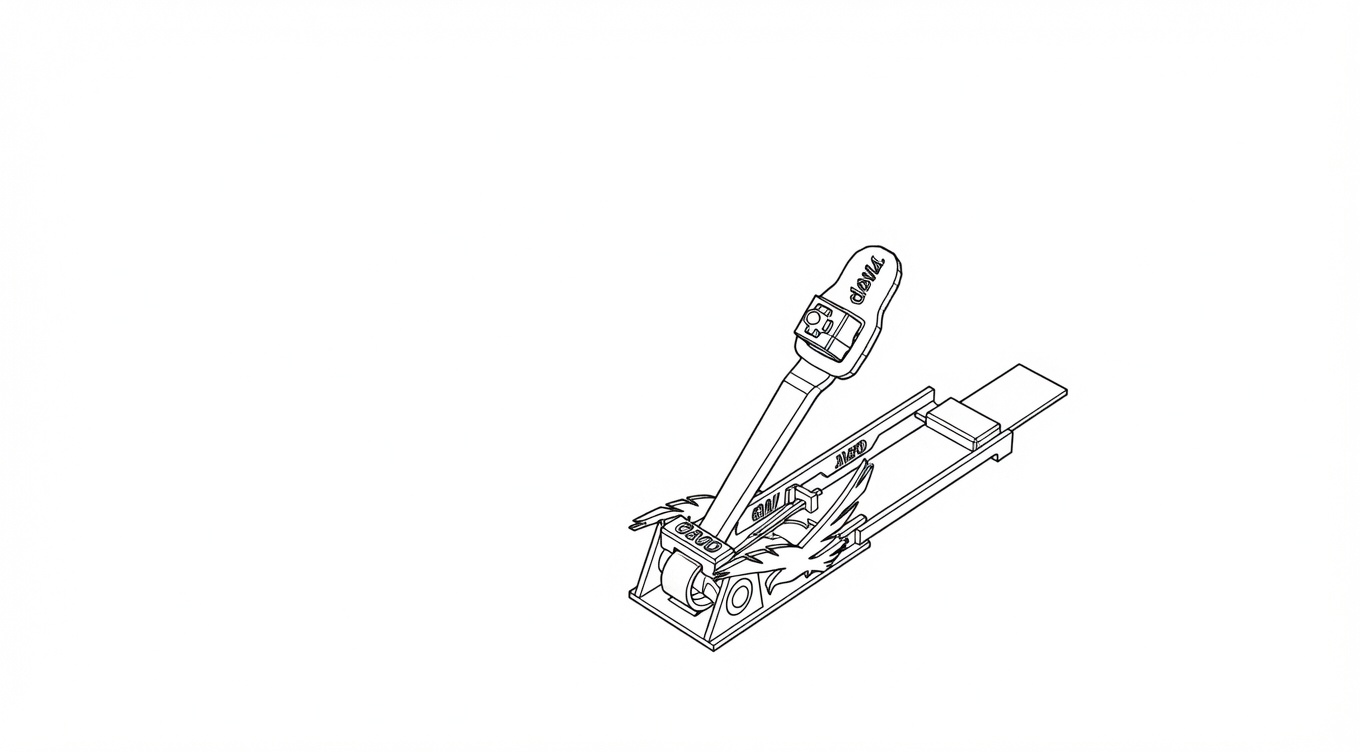
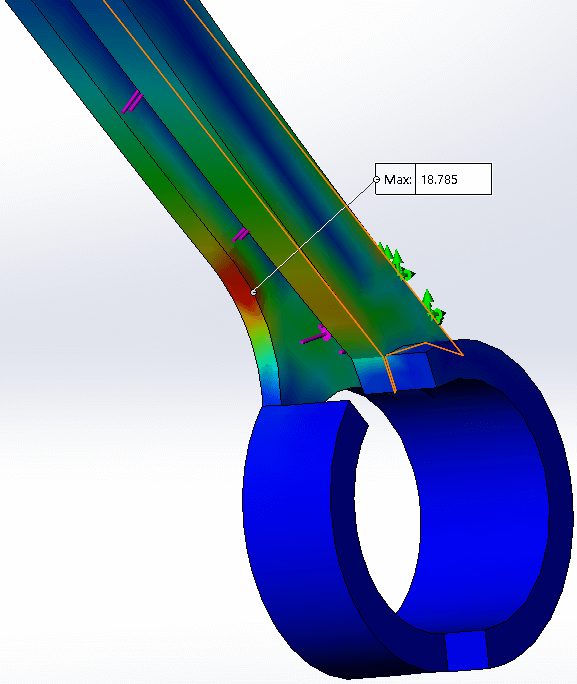
A 3D printed catapult validated in SOLIDWORKS Simulation with projectile motion modeling including drag AND the Magnus effect, because “close enough” is not a thing here.
Why it made the list: The internet has spent a decade litigating “trebuchet vs. catapult” — we showed up to the meme war with drag coefficients and Magnus-effect data.
Original post: SOLIDWORKS Simulation: Validating the Strength of a 3D Printed Catapult
- Year Created: 2018
- Nerd Factor: 8/10
- Software: SOLIDWORKS 3D CAD + SOLIDWORKS Simulation (mesh convergence, design optimization study; custom material)
- Printer / Process: Markforged composite
- Material: Markforged Onyx
- Key specs: Cubic-foot design space; material volume ≤ 8 in³; flat-packed, no fasteners; stress kept under 50% of yield
- Difficulty: Advanced
- Area of Nerdom: Medieval Siege Ballistics (Competitive Projectile Science)
- Practical Use: Cross-cubicle snack logistics and settling the trebuchet-vs-catapult debate with data instead of memes.
- Optional Upgrade: A counterweight trebuchet conversion — partly for range, mostly to appease the internet.
6. The Pneumatic Water Balloon Cannon
Scott Woods engineered vertical water-balloon artillery: a 120 PSI pressure chamber that launches ten balloons skyward at once while his kids scatter beneath the incoming bomblets. He tells the story — launch video included — in his Ask an Engineer interview.
Why it made the list: Backyard-engineering videos built an entire YouTube genre — ours trades the glitter bomb for pneumatics and thirteen seconds of glorious slow-mo.
Original post: Ask an Engineer: Meet Scott Woods, Sr. Product Manager
- Year Created: 2025
- Nerd Factor: 7/10
- Software: SOLIDWORKS 3D CAD
- Printer / Process: Select custom components 3D printed and integrated into a SOLIDWORKS-designed 120 PSI pneumatic system — not a fully 3D printed build
- Key spec: 120 PSI chamber; 10 balloons per launch
- Difficulty: Advanced (pressure system — mind the safety factor)
- Area of Nerdom: Recreational Pneumatic Artillery (Backyard Ordnance Studies)
- Practical Use: Total company-picnic dominance on a 100°F August afternoon.
- Optional Upgrade: A rotating multi-balloon magazine for semi-automatic hydration delivery.
7. The Regulation Crab Gauge
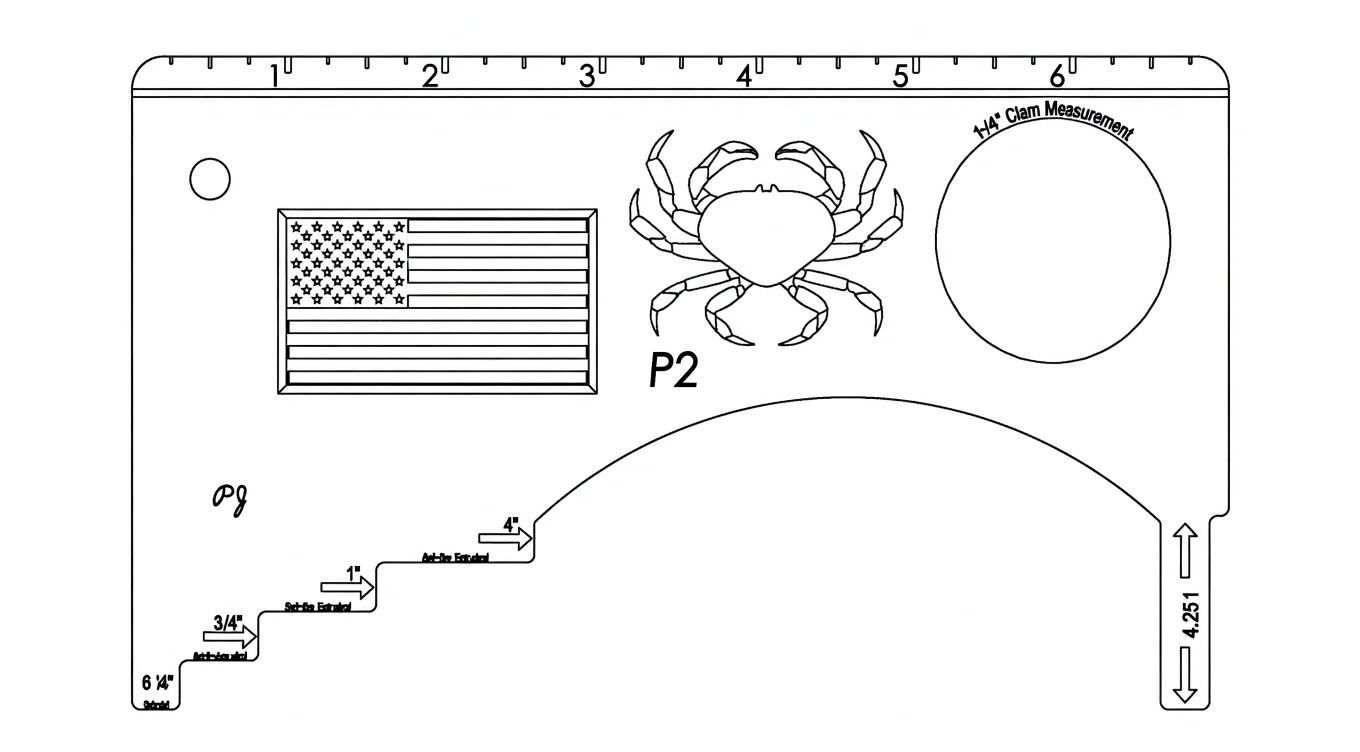
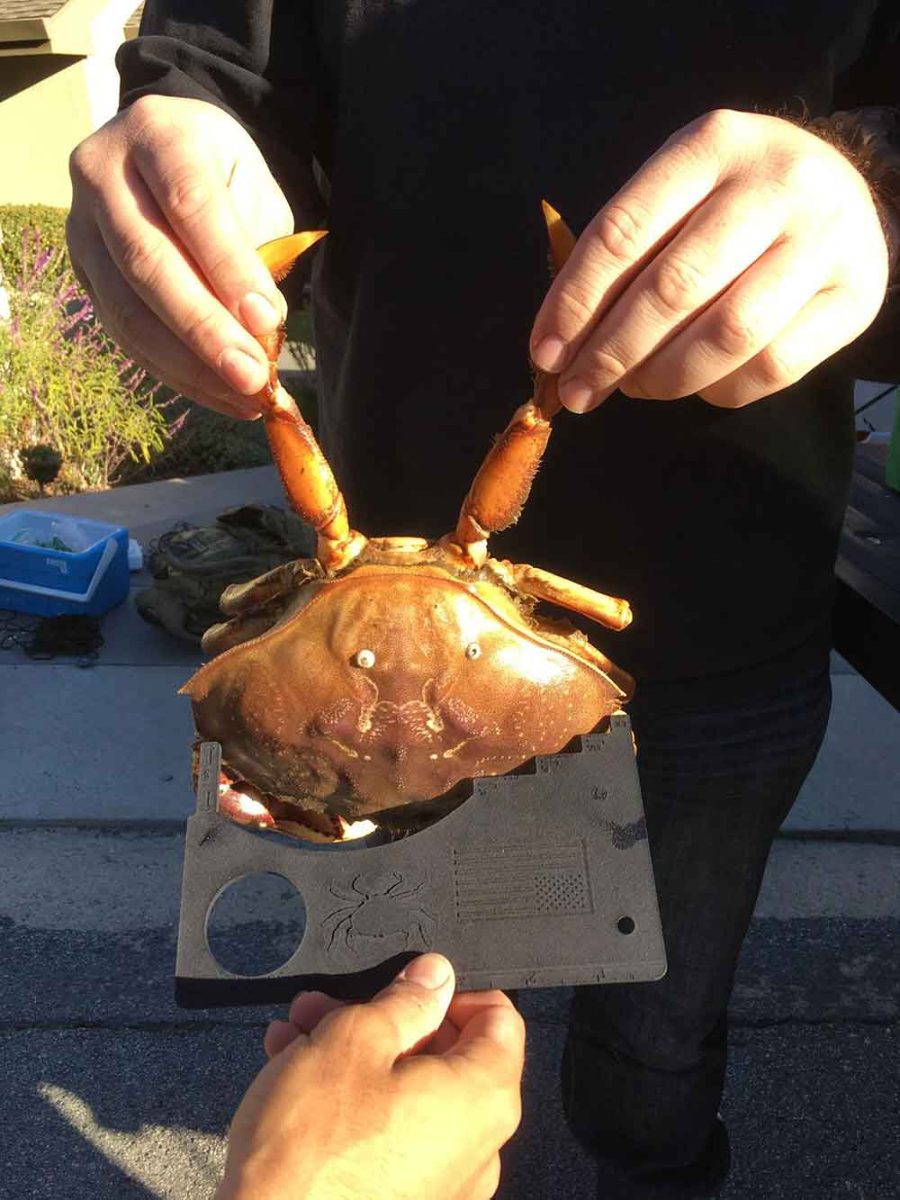
Patrick James printed a legal crab-measuring gauge so he’d stop guessing which catches were keepers. Government compliance but make it crustacean.
Why it made the list: Deadliest Catch made crab regulations prime-time television — this is the rare 3D print whose job is keeping you legal with Fish & Wildlife.
Original post: Technology That Fits: Creating a Custom Crab Gauge With 3D Printing
- Year Created: 2020
- Nerd Factor: 6/10
- Software: SOLIDWORKS 3D CAD (reverse-engineered from a store-bought gauge; splines traced from a sketch picture)
- Printer / Process: Multi Jet Fusion (MJF), via a manufacturing service
- Material: Nylon 12
- Key specs: Feature resolution to 0.1 mm; legal sizes built in (CA red rock crab 4 in, Dungeness 5¾ in; CA + WA measurements)
- Difficulty: Beginner
- Area of Nerdom: Regulatory Crustacean Compliance (Maritime Rules Nerdery)
- Practical Use: Measuring keepers in one motion on a rocking boat while everyone else squints at a ruler.
- Optional Upgrade: Print it in buoyant filament so the gauge survives its inevitable trip overboard.
8. The Pop-Up Camper Drill Bit
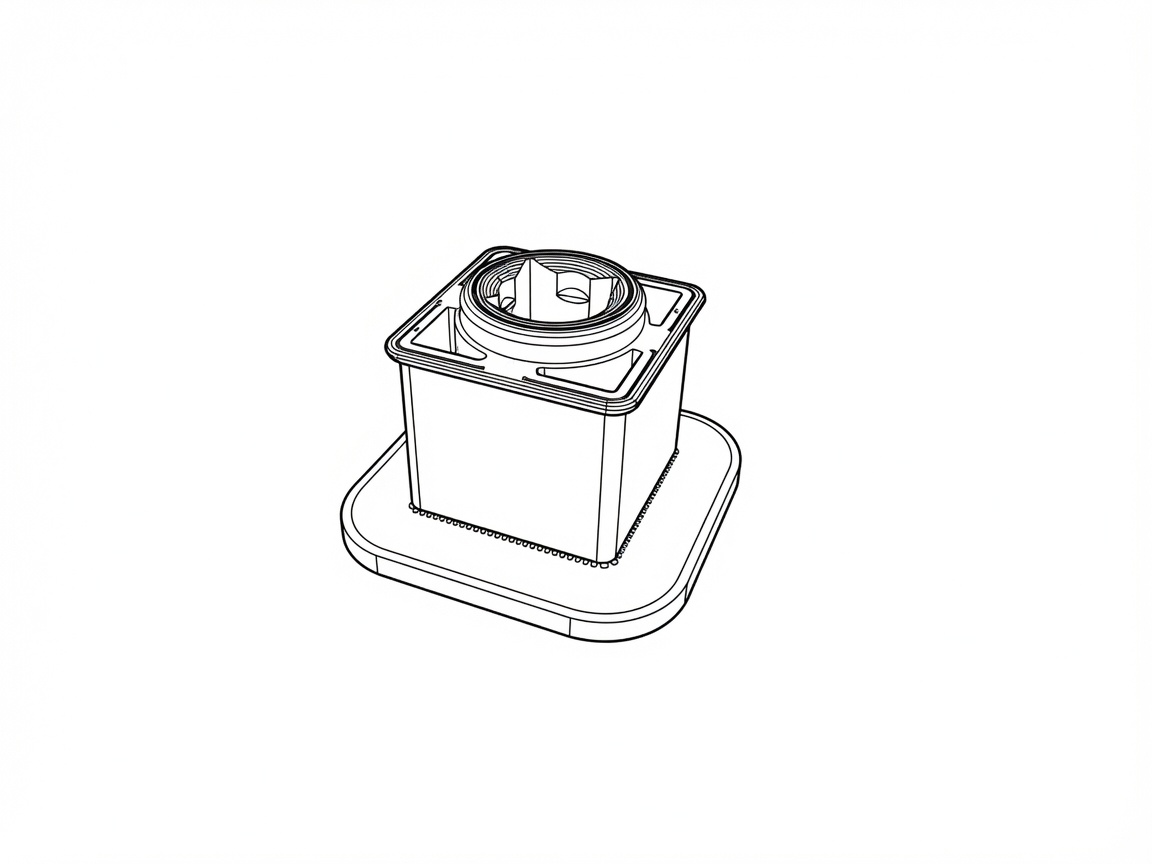
Cameron Carson got tired of hand-cranking his camper roof, so he printed a custom Markforged drill attachment: Crank It Up: Creating a Custom Drill Bit.
Why it made the list: The #vanlife era runs on exactly this energy: why crank by hand for 90 seconds when you can engineer a custom tool that does it faster?
Original post: Crank It Up: Creating Custom Drill Bit With Markforged Technology
- Year Created: 2019
- Nerd Factor: 7/10
- Software: SOLIDWORKS 3D CAD + Markforged Eiger (plastic fit-check on a Mark X7)
- Printer / Process: Markforged Metal X (ADAM — print, wash/debind, sinter)
- Material: Stainless steel (fully sintered); plastic used for the initial fit-check
- Print time: ~65 hours from print to finished part, but almost entirely hands-off — the printing, washing, and sintering run mostly unattended (and can be batched)
- Key specs: Non-standard 7/8″ square crank receptacle; accepts a 3/8″ socket extension; overhangs kept ≤45° so no support material needed
- Difficulty: Intermediate
- Area of Nerdom: Overlanding Gadget Engineering (#vanlife Optimization)
- Practical Use: Campsite setup in fading light while the next site over is still hand-cranking.
- Optional Upgrade: A torque-limiting clutch profile so an over-eager drill never strips the lift gears.
9. The Lightning Hook, Load-Tested to Extremes
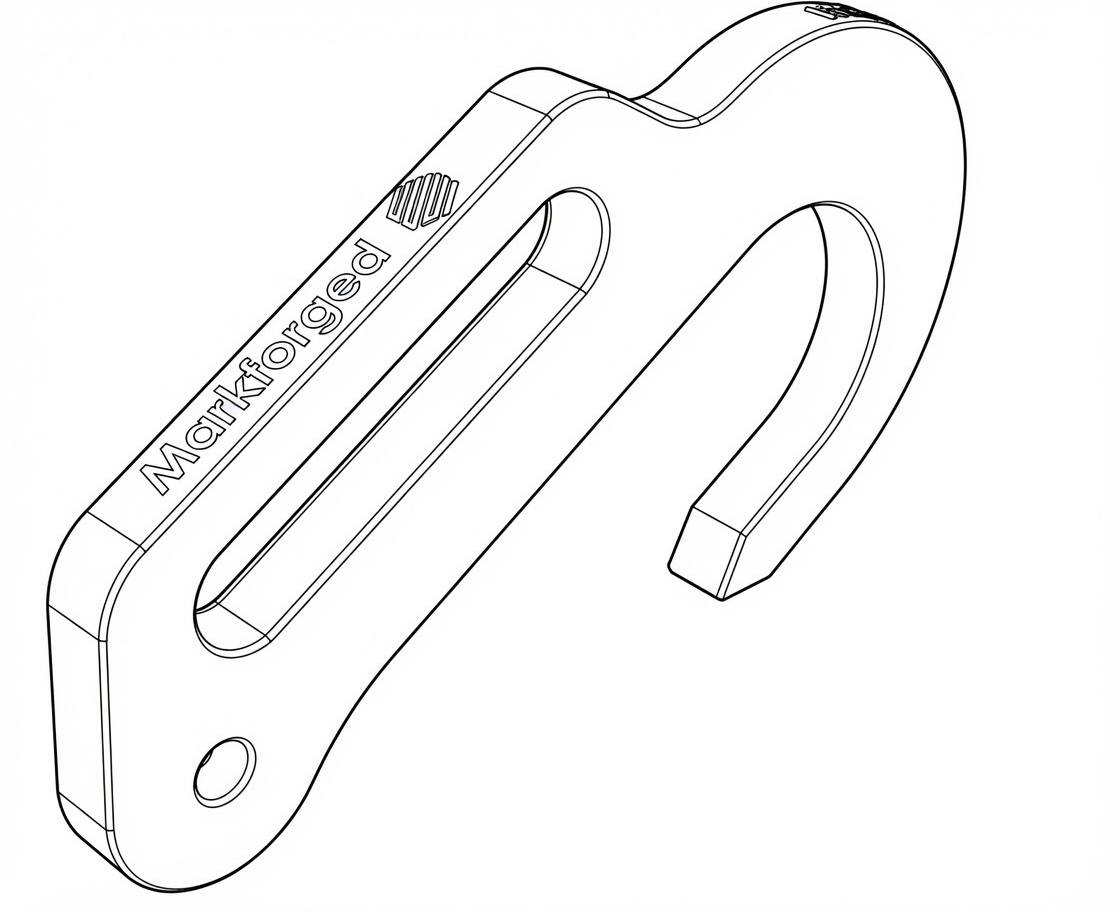
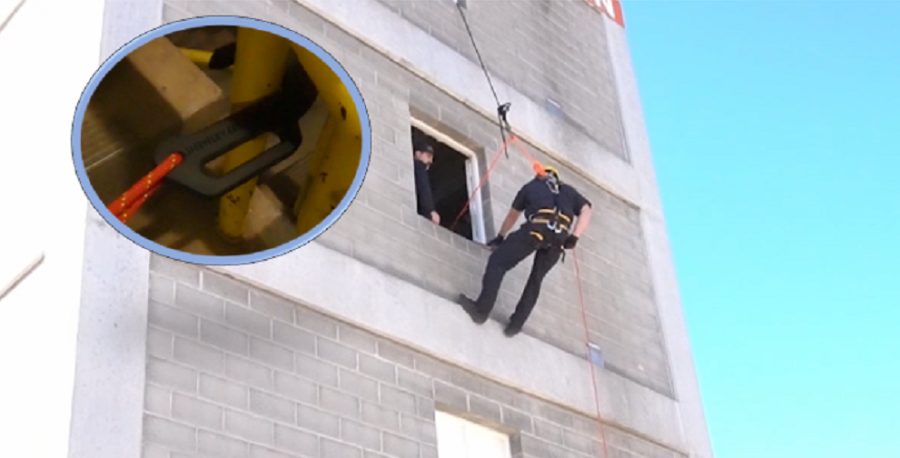
Designed and validated with Markforged Simulation to genuinely punishing loads: Validating a 3D Printed Lightning Hook.
Why it made the list: Free Solo made “do you trust your gear?” a box-office question — this carbon-fiber print held roughly 650 pounds, a full person plus a generous margin of nerve.
Original post: Validating a 3D Printed Lightning Hook With Markforged Simulation
- Year Created: 2023
- Nerd Factor: 8/10
- Software: SOLIDWORKS 3D CAD + Markforged Eiger Simulation (cloud static analysis)
- Printer / Process: Markforged composite with continuous carbon fiber reinforcement
- Material: Onyx with continuous carbon fiber
- Key specs: Held ~650 lb / 890 N at a Factor of Safety of 3.22; 10 mm hole sized for 8 mm rope
- Difficulty: Advanced
- Area of Nerdom: Safety-Factor Maximalism (Extreme Load-Bearing Paranoia)
- Practical Use: Any rigging or hauling job where a failed hook means a genuinely terrible day.
- Optional Upgrade: Continuous carbon-fiber layup and a filmed 1,000-pound pull test for the skeptics.
10. The One-Piece Compliant Mechanism (Designed Twice, Validated Twice)
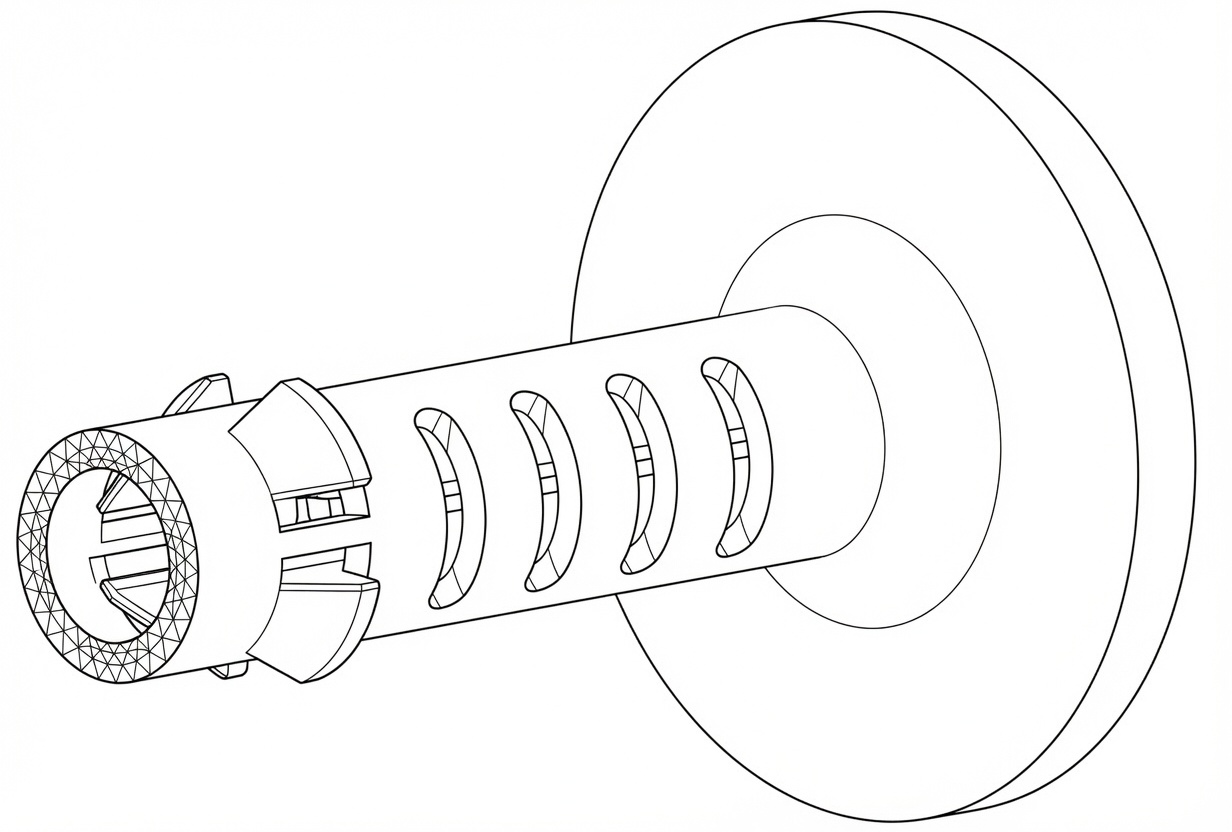
A single printed part that flexes like an assembly: Designing a 3D Printed Compliant Mechanism and Validating It with SOLIDWORKS Simulation.
Why it made the list: Compliant mechanisms went mainstream when Veritasium toured BYU’s lab — ours you can print and flex the same afternoon.
Original post: Designing a 3D Printed Compliant Mechanism With SOLIDWORKS | Validating a 3D Printed Compliant Mechanism Using SOLIDWORKS Simulation
- Year Created: 2022
- Nerd Factor: 9/10
- Software: SOLIDWORKS 3D CAD + SOLIDWORKS Simulation Premium (non-linear dynamic study)
- Printer / Process: Multi Jet Fusion (MJF), via A3D Manufacturing — printed as-assembled, no supports
- Material: Nylon 12 (48 MPa yield strength)
- Key specs: 0.5 mm clearance for printed-assembled parts; max von Mises stress 12.6 MPa; max actuation force 4.57 N (~1 lb)
- Difficulty: Advanced
- Area of Nerdom: Flexure Nerdery (Monolithic Mechanism Minimalism)
- Practical Use: A working gripper straight off the build plate — zero fasteners, zero assembly, zero excuses.
- Optional Upgrade: A compliant latch fatigue-validated in Simulation to survive 10,000 open-close cycles.
11. The 15-Minute Bookcase (Speed-Modeling as a Sport)
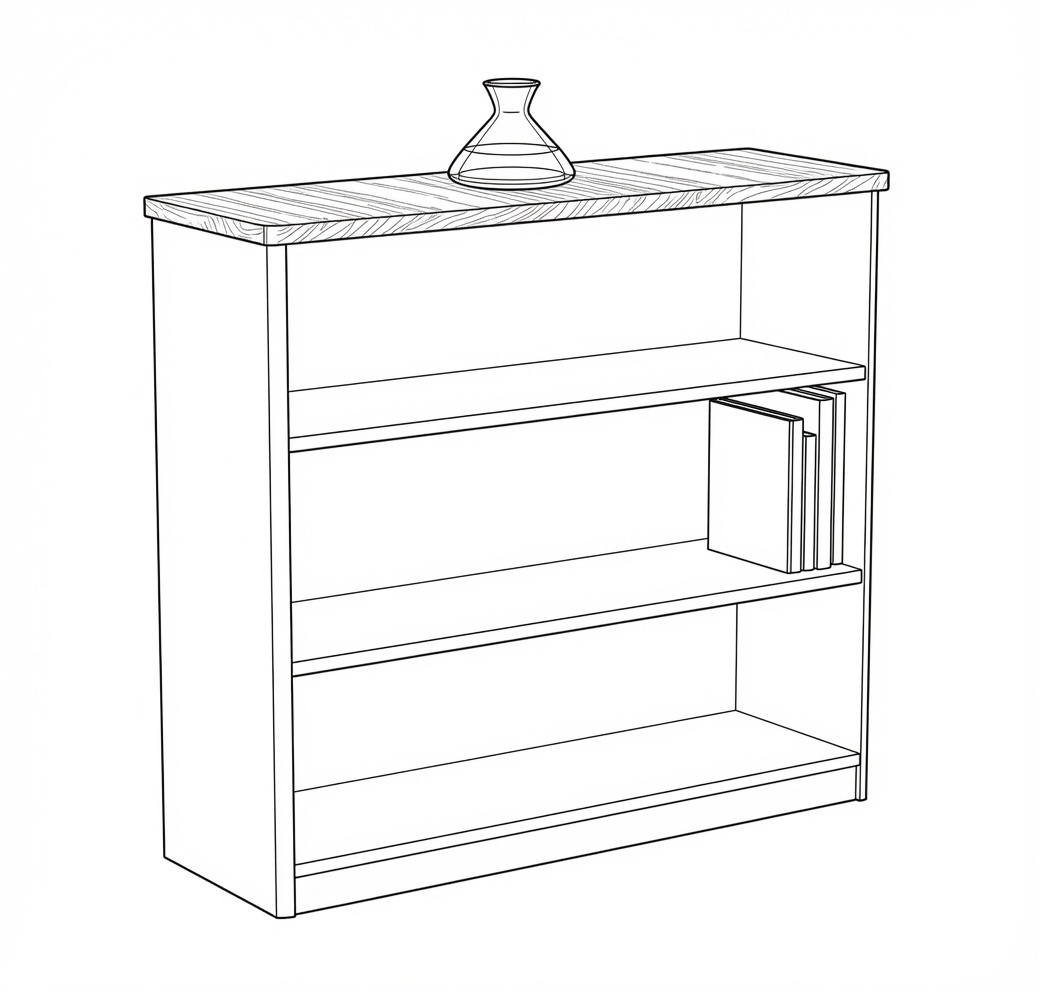
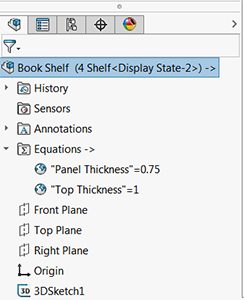
Furniture CAD against the clock: 15-Minute Bookcase: Top-Down Assembly Modeling.
Why it made the list: CAD speedmodeling is now an actual esport — TooTallToby’s 2026 Summer Open just crowned champions and World Championship registration is free and open, and Model Mania is the live-modeling showdown at the annual 3DEXPERIENCE World. Consider this our qualifying run.
Original post: SOLIDWORKS 15 Min. Bookcase: Top-Down Assembly Modeling Part 1
- Year Created: 2016
- Nerd Factor: 7/10
- Software: SOLIDWORKS 3D CAD (top-down assembly, master 3D sketch, global variables, configurations)
- Printer / Process: CAD-only exercise (not a 3D print — speed-modeling technique)
- Est. build time: 15 minutes modeling
- Difficulty: Intermediate
- Area of Nerdom: Competitive CAD Athletics (Speedmodeling)
- Practical Use: When you promise custom furniture “by end of standup” — and as training for a TooTallToby qualifier.
- Optional Upgrade: Drive it with equations so one dimension change resizes the whole bookcase — then rematch the clock at sub-10 minutes.
More Tips From Our Engineers
Get our monthly newsletter with SOLIDWORKS tips, expert how-tos, exclusive events, and subscriber-only training deals — from the team engineers have trusted for 30+ years. Sign up for our newsletter →
FAQs
What software do you use to design 3D printing projects?
Most of these builds started in SOLIDWORKS 3D CAD for modeling, moved through SOLIDWORKS Simulation (or Markforged Simulation) for validation, then went to a 3D printer. It’s the same toolchain used for medical devices and rocket parts — just pointed at nerdier goals.
What are some fun 3D printing projects to make?
Popular picks from our engineers include an Aztec death whistle, articulated medieval gauntlets, life-size Lord of the Rings weapons, a physics-rigged D20, a pneumatic water-balloon cannon, and a carbon-fiber climbing hook. Difficulty ranges from a weekend print to a full simulation study.
What are the coolest SOLIDWORKS projects for beginners?
Start where the CAD is simple and the payoff is high: the regulation crab gauge and the 15-minute bookcase are approachable early on, while the D20 and compliant mechanism are great next steps once you’re comfortable with mass properties and simulation.
Can you actually 3D print functional medieval armor?
Yes. Our engineer printed working plate armor with individually articulated gauntlet fingers that flex and close like the real thing — one finger at a time.
Can you make a weighted or loaded D20?
In theory, yes — by shifting the center of mass toward one face. We modeled a D20 in SOLIDWORKS, used mass properties to bias it, and ran motion studies to test whether it favored a natural 20. (Results: for entertainment, not for your next campaign.)
How strong is a 3D printed carbon-fiber part?
Stronger than most people expect. Our carbon-fiber “lightning hook,” printed on a Markforged and validated in simulation, held roughly 650 pounds — a full person plus margin.
What is a compliant mechanism?
A single part that flexes and locks like a multi-piece assembly, with zero fasteners. We designed one in SOLIDWORKS, validated the flex in Simulation, and printed a working gripper straight off the build plate.
Trebuchet or catapult — which is better?
We settled the meme with data: a 3D printed catapult validated in SOLIDWORKS Simulation, modeling projectile motion including drag and the Magnus effect. (A counterweight-trebuchet rematch is on the list.)
What’s the best 3D printer for making props?
Depends on the goal. Large consumer FDM printers popular with hobbyists and makers — like the Bambu Lab H2D — are great for life-size props, while industrial printers such as Markforged handle carbon-fiber and metal parts when strength matters.
Do I need engineering experience to try these?
No — several started as curiosity projects. SOLIDWORKS training gets beginners “dangerous fast,” and simpler builds like the crab gauge or bookcase are approachable early on.
What is CAD speedmodeling?
A competitive sport where modelers race to build parts in CAD as fast as possible. Events like the TooTallToby World Championship draw serious contenders — our 15-minute bookcase was a qualifying-run flex.
Is an Aztec death whistle real, and can you 3D print one?
Yes on both. The Aztec death whistle is a real Mesoamerican instrument that produces a scream-like shriek. Our engineer reverse-engineered the internal air chambers from cutaway references, swept them in SOLIDWORKS, and 3D printed a working replica — the same design that went viral after airing on the Joe Rogan Experience.
Can 3D printed parts be used as real, functional tools?
Absolutely. Beyond props, our engineers have printed genuinely useful gear: a regulation crab gauge for measuring legal-size catches, a custom drill attachment that retires a pop-up camper’s hand-crank, and load-bearing hooks. The key is matching material and validation to the job.
How do you know a 3D printed part will hold up before you use it?
You simulate it first. Tools like SOLIDWORKS Simulation and Markforged Simulation predict stress, deformation, and failure points — so you can refine the design and confirm the safety factor before printing, not after something breaks.