Tell me about how you got into engineering.
I’ve always been interested in finding out how things work — I spent a lot of time taking things apart in my youth. Discovering how each little bit and piece of something could come together to create some greater function always impressed me back then—and still does today. That curiosity naturally evolved into a drive to create things myself and to gain a better understanding of the fundamentals that would allow me to do that—the math, physics, and engineering behind what makes things work.
That innate drive to want to learn more and to create things that are uniquely my own — the ability to bring an idea or concept into reality — I think ultimately came from my father and grandfather.
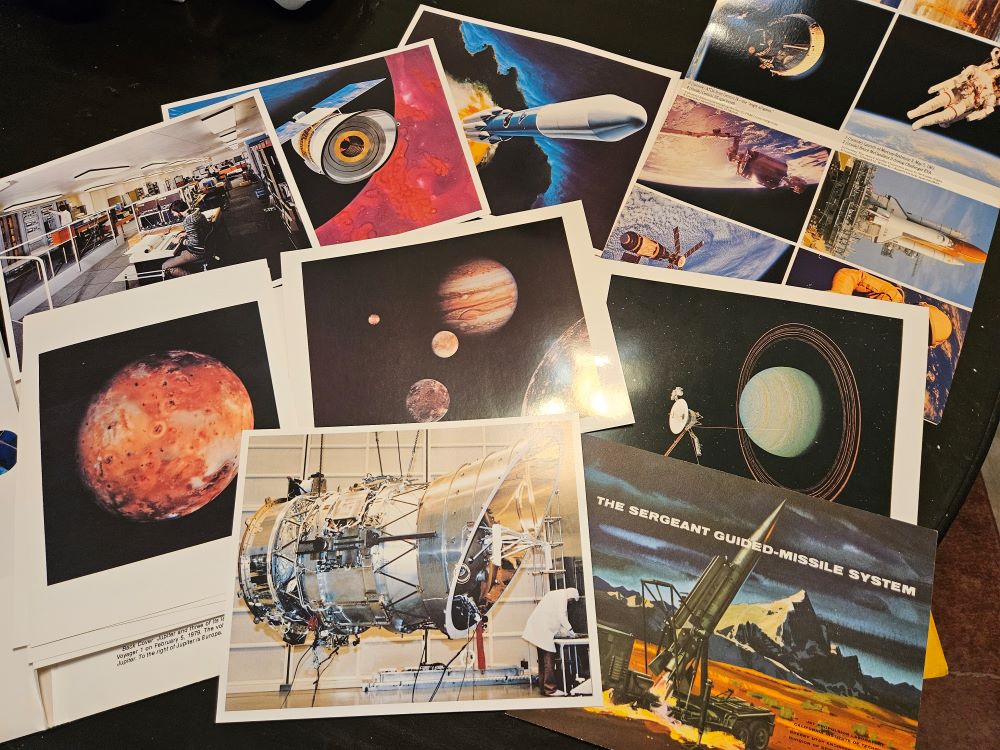
My grandfather was an electrical engineer at JPL. He passed away when I was young, but the stories I heard growing up, the things he was able to work on and do, and even just the things he did in the workshop in his garage, all inspired me and added momentum to my interest in engineering. Once I discovered you could do this for a living, I dove into the math and physics behind it all, and the more I learned, the more interested I became. Coincidentally, both of my grandfathers were engineers, so maybe it just runs in the family!
My dad was similar, although he isn’t an engineer, he was constantly fixing things around the house, working on cars, building things from scratch — which I really think helped me become so “hands on” with my personal projects and in my engineering career as a whole.
What’s an actual day in the life like for you?
It varies depending on the specific projects we are working on. As Application Engineers we often get to wear many hats, but one constant in our day to day is the opportunity we get to work hand in hand with our customers. That’s probably my favorite part about the job. We have customers in many different industries and so we get the chance to get exposed to all kinds of different teams and their designs. We regularly have the chance to help find solutions to all kinds of engineering challenges.
Whether it’s providing training to help our customers get the most out of SOLIDWORKS, sitting down with our customers to discuss their engineering challenges to see what tools would fit them best, or working directly with our customers by providing mentoring or consulting services — getting to work with other designers, fabricators, machinists, and engineers on a daily basis to be a part of their success is one of the things that has made this role, and my day to day, so enjoyable.
Do you foresee a time in the near future where SOLIDWORKS is not the de facto 3D CAD tool, or do you think that’s really far off?
I don’t think so. SOLIDWORKS is extremely popular for good reasons. It’s a very accessible and functional tool with decades of R&D behind it. If Dassault keeps promoting and developing the core software and its add-ons and continues to focus on the things that we as designers and engineers care about, I have no doubt that it will continue to maintain its dominance. It’s a tried-and-true workhorse for many like myself.
How often are you using AI tools like LLMs in your day-to-day compared to two years ago?
I use AI pretty commonly nowadays to help put me on the path to get deeper answers on technical topics. Recently, I’ve been diving into nonlinear and dynamic simulation (two of the core capabilities of SOLIDWORKS Simulation Premium) to help support our customers when they have that need. LLMs and other AI tools have helped in that regard by allowing me to ask specific questions about those type of analyses and their applications. The AI responses don’t always paint the full picture, but they can help guide you in the right direction, particularly with the direct links to more robust sources. Dedicated AI tools like Dassault’s AURA are getting better and better and will soon become an invaluable tool for nearly every engineer.
On the less-technical side, I also use AI tools to help summarize notes, organize content for customer-facing videos and blogs, and help refine ideas for various projects.
How’d you end up at Hawk Ridge?
In 2020, I was working for a company in the commercial aerospace industry. When air-travel came to a screeching halt due to COVID, operators lost money, suppliers got cut off, and it hit the business hard. The owner of the company did all she could to keep us afloat and busy as long as was possible, but unfortunately the business ultimately closed.
I applied to Hawk Ridge because it looked like something a bit different from what I had done in industry in my career up to that point. Hawk Ridge offered a chance to expand my knowledge and try something in the world of design and engineering that I hadn’t done. Once I started, I found a fantastic group of people and enjoyed the opportunity to keep learning — the rest is history!
What’s the most fun or quirky project you’ve ever worked on?
The most fun — and stressful — was being a part of Formula SAE in college. Formula SAE is a collegiate competition where students build a formula-style race car. My school hadn’t participated in the program in about a decade, and so there really wasn’t any legacy knowledge or framework to build from — in other words our team was forced to start from scratch. As a result, that first year was tough! We put in many, many hours of hard work and sleepless nights designing, analyzing, fabricating, machining, etc. Unfortunately, our lack of experience and support meant that our time at competition would not go smoothly.
When we got to the competition, we ended up failing tech inspection multiple times, each time needing to go back and fix something else on our car. This caused us to miss most of the events and races at the competition. We had one final event that we could have competed in, but on the final portion of inspection (a brake test) we ended up sending it a bit too hard and sheared all of our driveline bolts with no time to fix it and our competition was over.
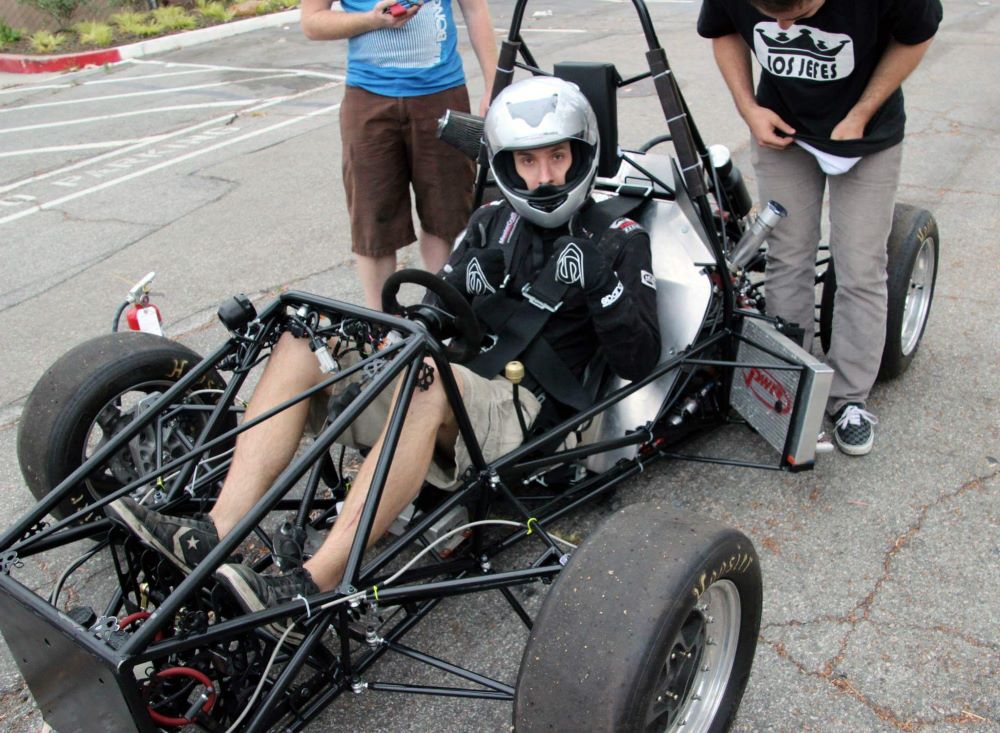
It was hugely disappointing — but we weren’t the type to give up. From our many failures, we had learned a ton and were only that more determined to start designing next year’s car. The second year, I led the project, with many of our same core team members also on board. We applied everything we learned the previous year and worked our butts off once again, but this time with the confidence, knowledge, and experience to get it right.
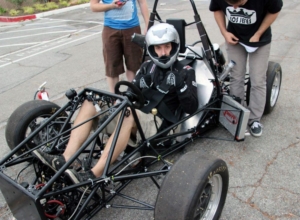
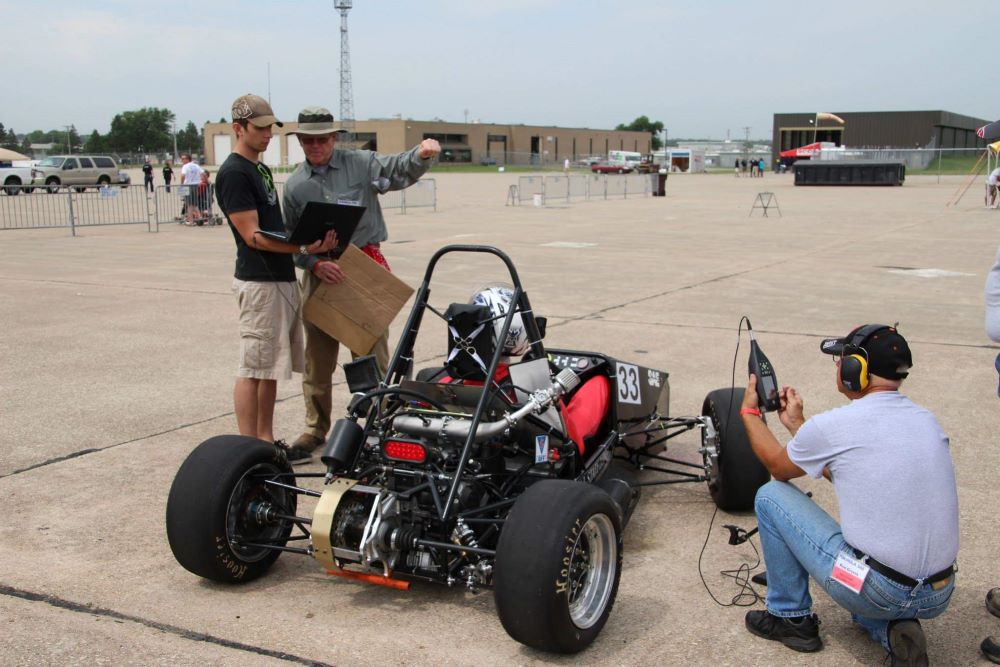 Taylor Hoff’s formula SAE race car project helped place his team in the top third of about 120 schools. That second year we did much better and had built (and raced!) something we were proud of. We ended up placing in the top third out of about 120 schools — a result that we were extremely proud of considering it was only our second year. It was my first “real” engineering experience — working together as a part of close-knit team to build a successful race car with our own hands.
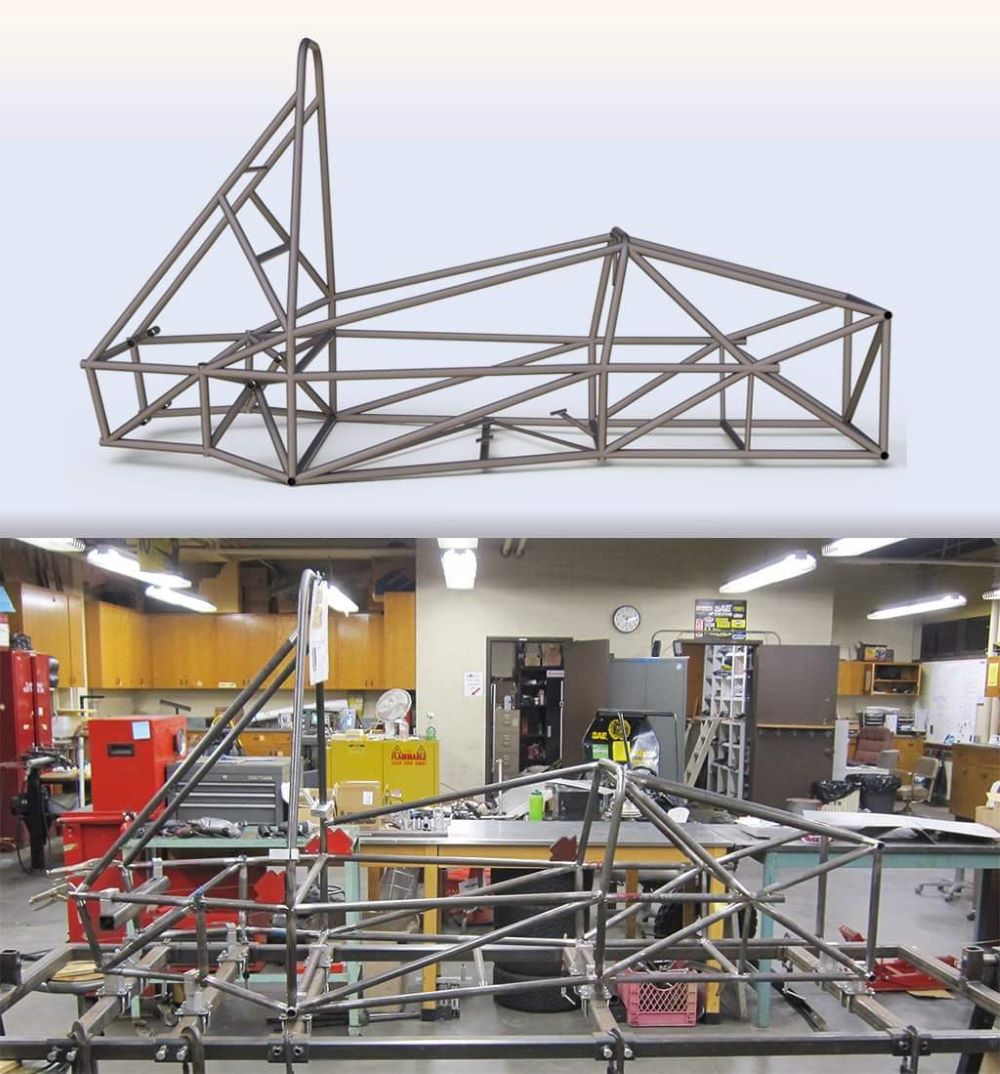
Through that project, I learned more about engineering and producing a real product than in most of my engineering classes (and made some lifelong friends). It’s an experience I’ll never forget and will always cherish.
And we’ll never forget how much fun it was to speed around in our own race car!
What book should every engineer read?
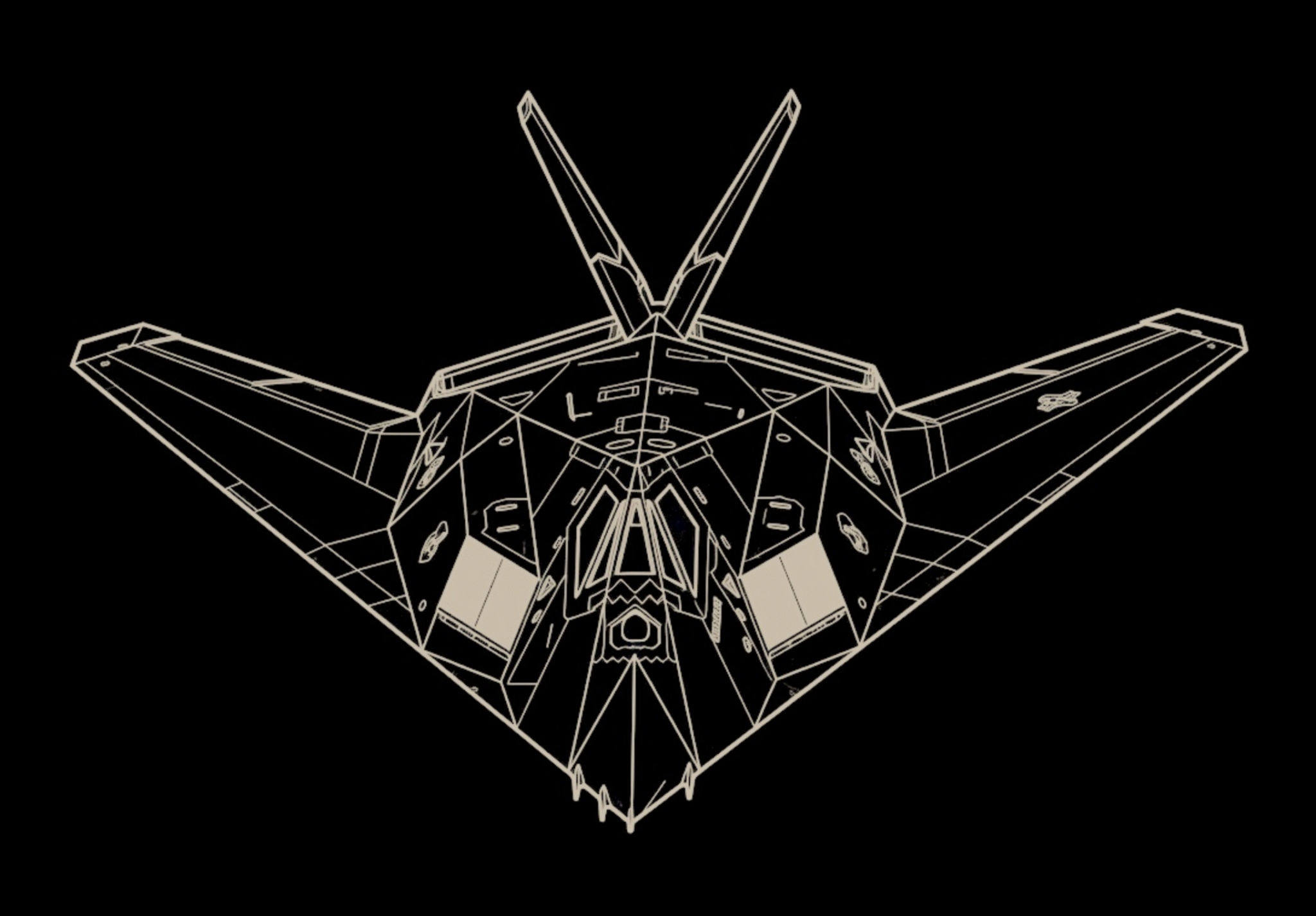
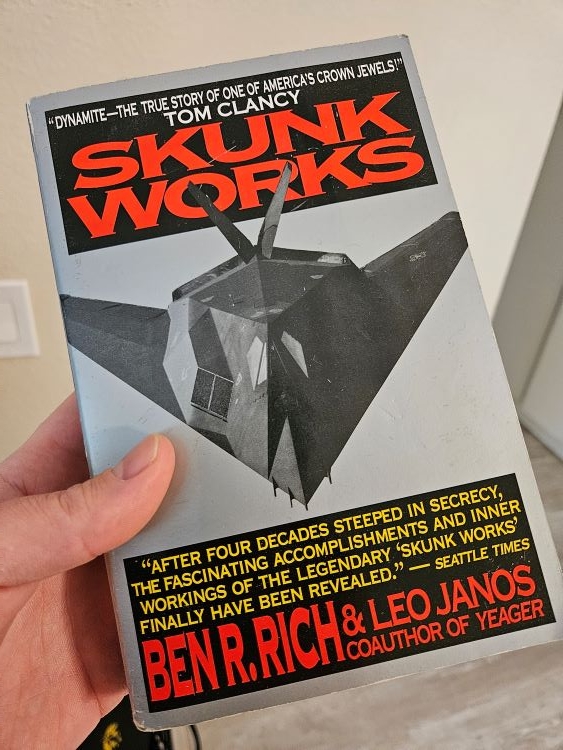
Skunk Works by Ben Rich. It’s about Lockheed Martin’s top-secret division, Skunk Works, that, led by people like Kelly Johnson (and Ben Rich himself), designed iconic aircraft like the SR-71 Blackbird, U-2, and F-117A (among others). It tells the story of the engineering challenges, political influences, and development processes of these aircraft that were hugely impactful, both in the engineering world and with the history of the US post WWII. It’s readable, not super technical, and impactful — especially for engineers or aviation enthusiasts.
What are you reading/watching/learning/playing currently?
I’m watching the Fallout series — which is an amazing series, especially Walton Goggins as the Ghoul. Having played many of the Fallout games, it’s been really fun to watch. I’m also catching up on Resident Alien with Alan Tudyk, who’s fantastic. As far as reading goes, I’ve been getting into Zen and the Art of Motorcycle Maintenance by Robert M. Pirsig — it’s more philosophical than I expected, about the meaning of freedom, life, quality, and Americana, but it has been a great read so far.
What do you want to learn next?
Professionally, more about advanced simulation products, especially dynamics and nonlinear analysis. Personally, I want to become a better welder. I learned in college, but I’m still hobbyist-level. Welding can be surprisingly complex.
What makes a good engineer?
In my opinion, what really makes a good engineer is having the ability to be curious and creative.
You can have the best foundation in math and physics, but if you’re not creative and curious, you’re likely to struggle in the engineering world. Engineers at their core are people that come up with answers to technical challenges. Being curious allows us to explore different avenues and learn new things — expanding our knowledge to be able to better tackle those challenges. Being creative allows us to apply that knowledge and discover novel and unique solutions to engineering problems. Math, physics, and engineering fundamentals are the tools we as engineers use (along with SOLIDWORKS 😊), but using them in a creative way is what makes a good engineer.
At Hawk Ridge, I try to embody that same thing to help us deliver the solutions our customers need to be successful.
Tell me about your side quests and pet projects.
I do a fair bit of 3D printing at home, so I’m constantly trying to find cool new things to print. Whether that be something functional I designed or some interesting knick-knack I found online, it’s refreshing to be able to whip something up in SOLIDWORKS and print it in my garage in just a handful of hours.
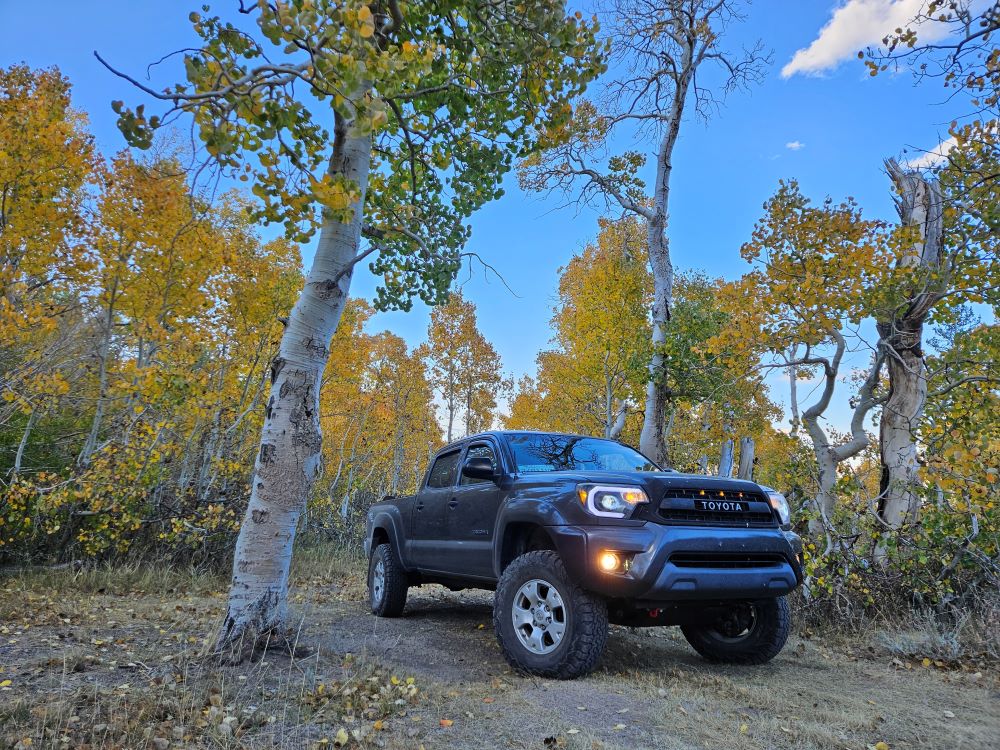 Taylor Hoff’s truck is the subject of one of his ongoing hobbyist side projects.
 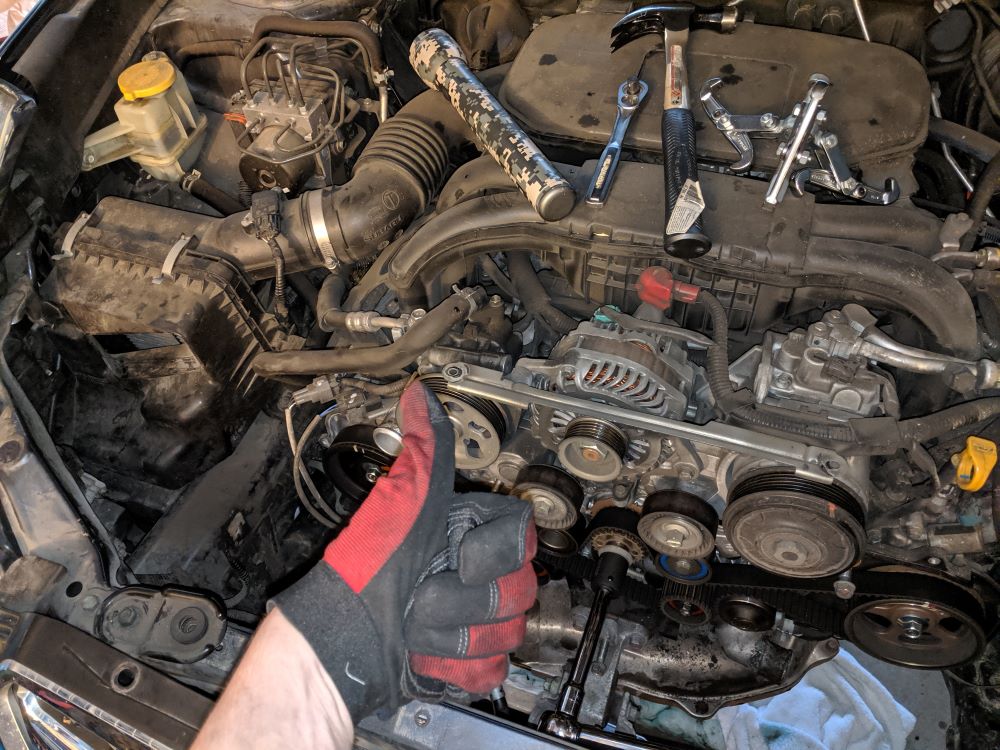 Fixing and modifying his vehicles counts among Taylor Hoff’s favorite side quests.
Aside from that, I like to build all sorts of things. I’ve built various pieces of simple furniture for our place and am about to start refinishing an old oak table for our dining room. I’ve also been designing a flat-bed and tube-frame off-road bumper for my truck that I plan to start building sometime this year.
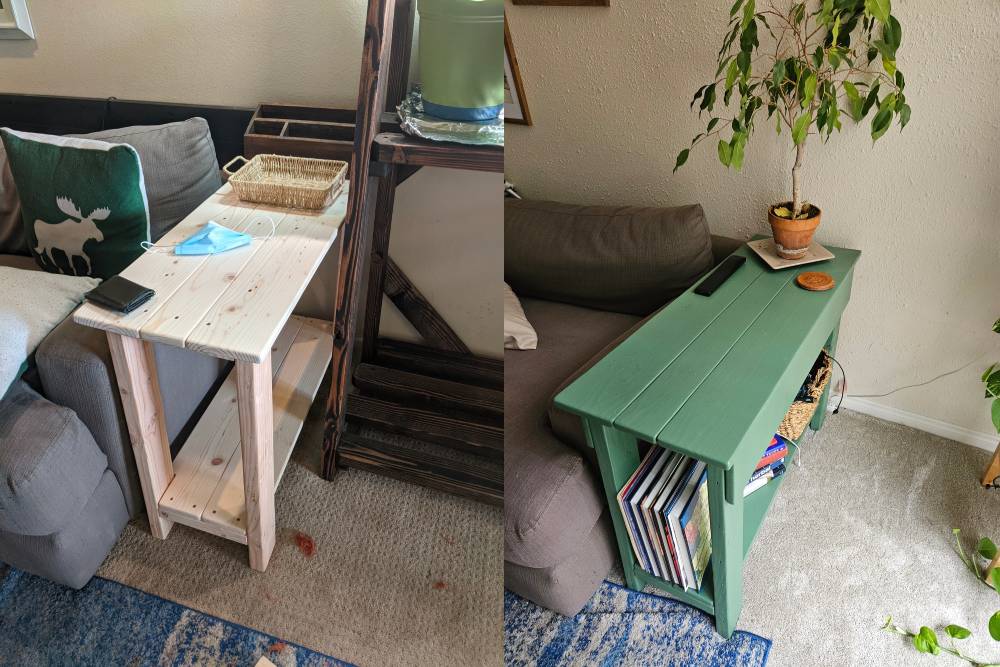
I’ve always been a gear head, so my truck and other vehicles always seem to have a number of “side quests” going on. In general, if there’s something I need and I have the time and tools to do so, I’m all about it (along with my little furry helper).
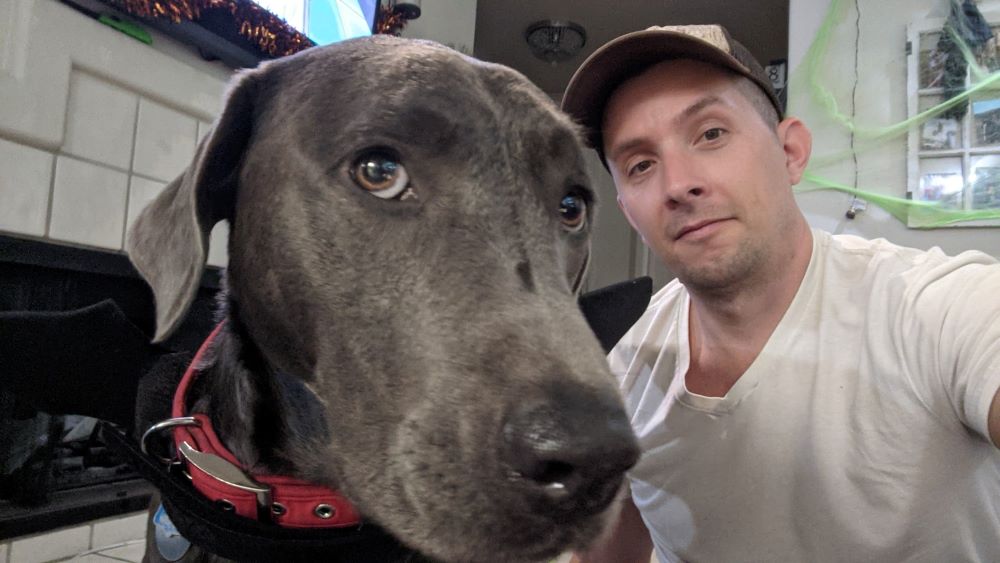
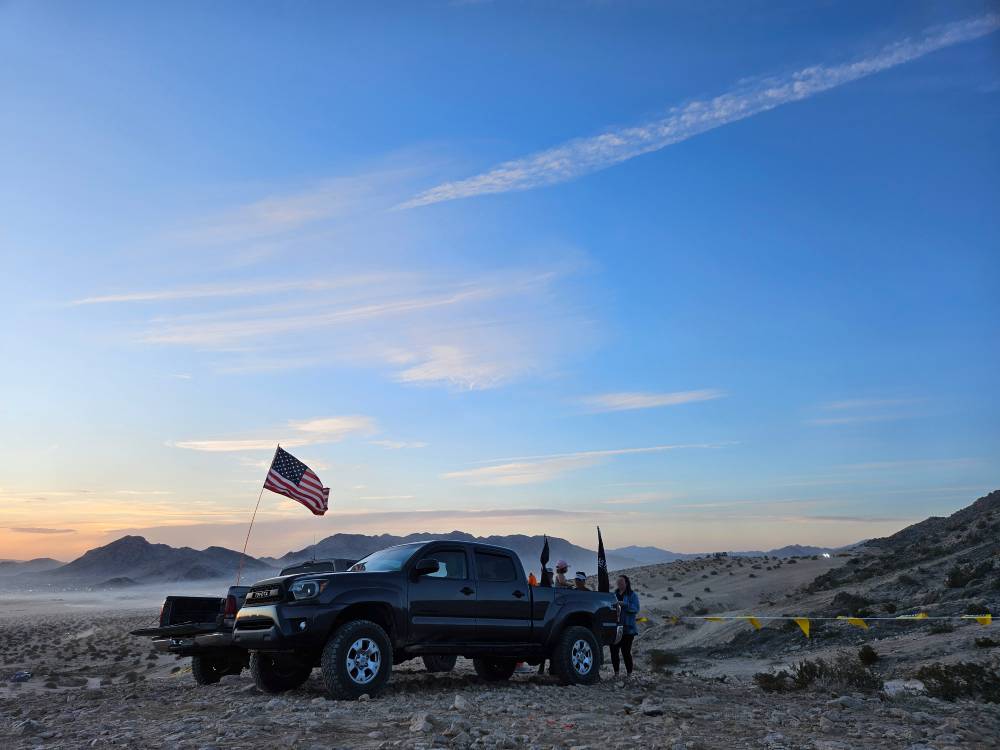
I also love being outdoors. Hiking, fishing, off-roading, camping, backpacking… I don’t know if those would be considered “side quests”, but I’ve certainly been able to explore and experience all kinds of awesome places and things by “questing” out into the great outdoors. I often try to find places that I’ve never been before (often in the mountains or the desert) and then plan a hiking, off-roading, camping, etc. trip to go experience them. If I could be outside all of the time, I probably would be!
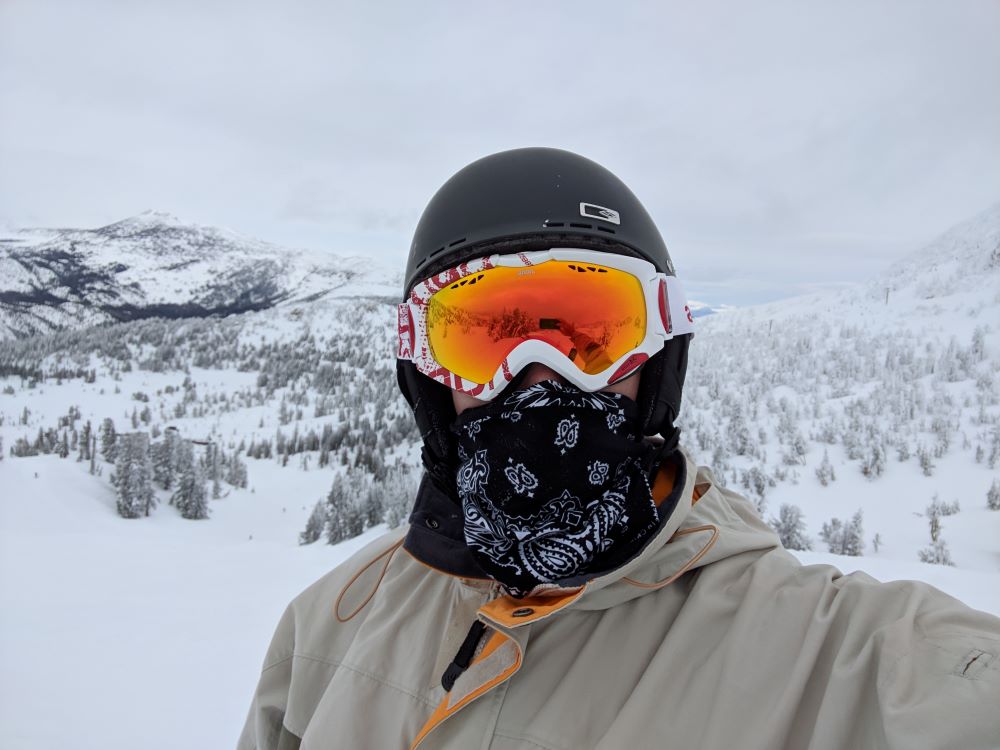 Taylor Hoff enjoys getting outdoors in the snow in his free time.
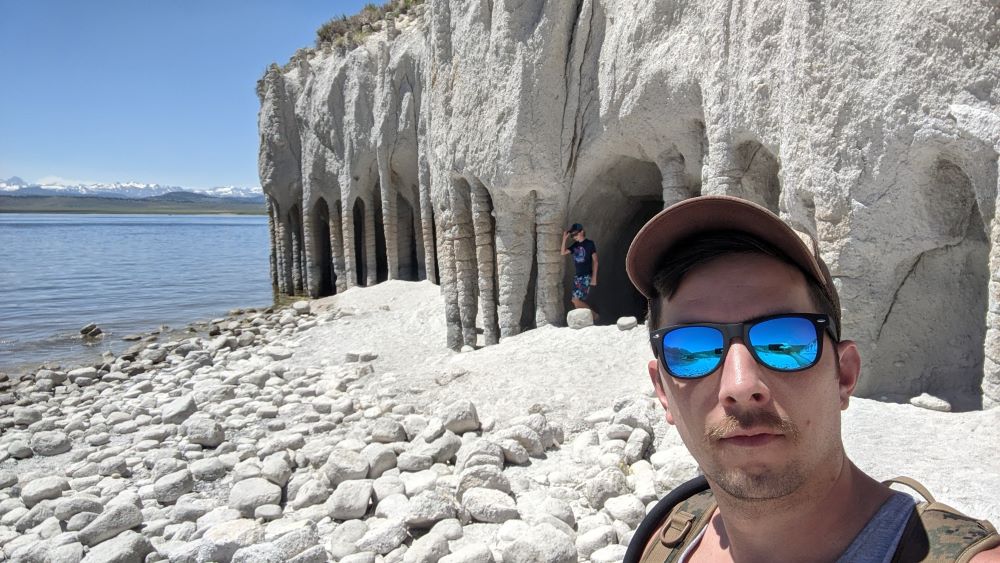
 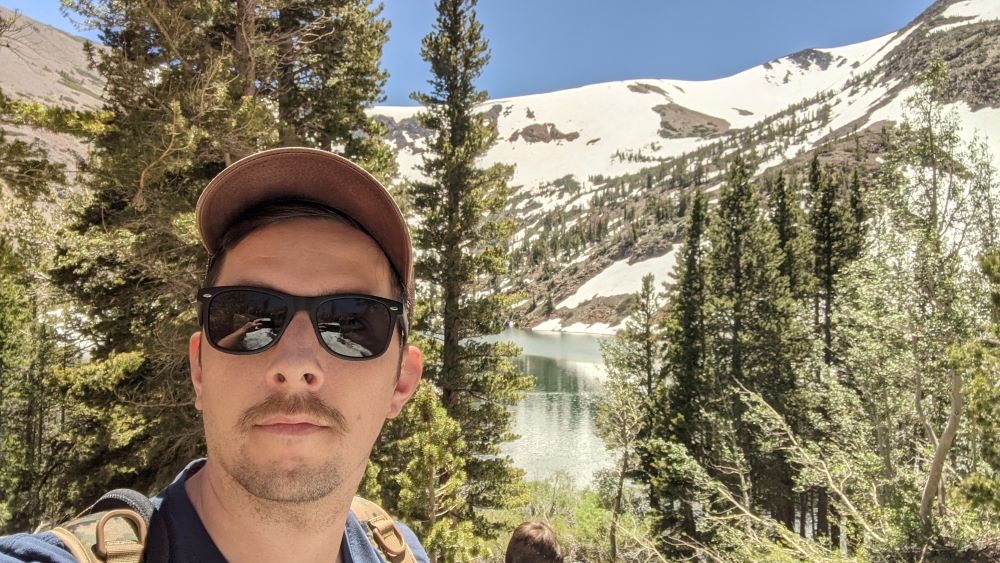 Hiking is one of the ways Taylor Hoff spends time outside of work.
Favorite engineering or dad joke or meme?
This is a common one, but as an engineer/fabricator/DIYer/etc. it always gives me a chuckle. If you run into a problem where something is broken and needs to be fixed, you have two options:
“If it moves and it shouldn’t, use duct tape. If it doesn’t move and it should, use WD-40.”
What’s the most absurd engineering failure you’ve ever witnessed or heard about?
The one that jumps to mind is the Mars Climate Orbiter. It was a spacecraft designed to study and monitor Martian weather, the presence/distribution of water on Mars, look for evidence of past Martian climate change, among other things. Unfortunately, there was a mismatch in unit systems: a piece of ground equipment developed by a supplier gave results in Imperial/customary units, while NASA’s systems expected data in metric.
The result was the total loss of the spacecraft — all because of a mismatch of units (and subsequent mishandling of the discrepancy). An important reminder that with any piece of data, the units are incredibly important.