LIMITED-TIME OFFER! Save Up to 28% on SOLIDWORKS Perpetual Licenses
Save Now
Medical 3D Printing Applications
Advance Patient-Specific Care with Precise, Repeatable 3D Printing
From realistic anatomical models to production-ready
medical components, Stratasys 3D printing helps
healthcare teams and medical device manufacturers
move faster, improve consistency, and bring more
patient-specific insight into planning, training,
validation, and production.
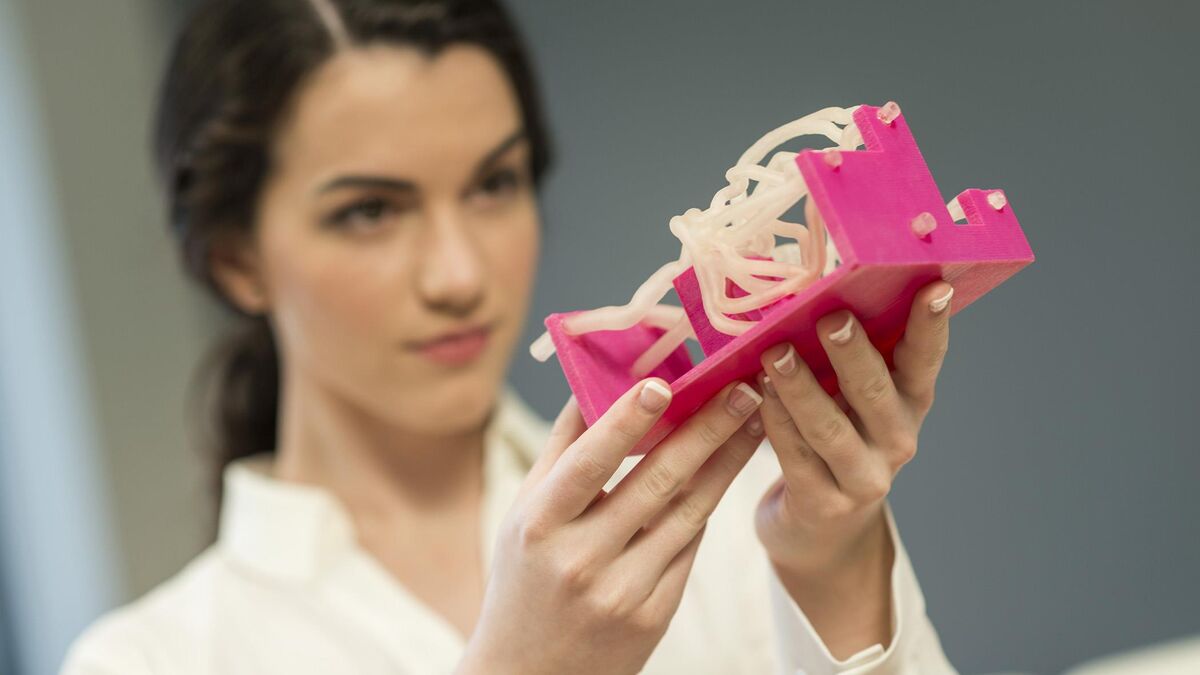
Anatomical Modeling for Pre-Surgical Planning, Medical Training, and Patient Communication
Complex anatomy is easier to understand when clinicians and patients can see it, hold it, and even cut into it before a procedure. Stratasys PolyJet anatomical modeling solutions help convert medical imaging data into highly realistic, patient-specific models that can support surgical planning, medical education, product testing, and patient communication.
Best Fit Technology:
PolyJet Digital Anatomy™ Series: create biomechanically accurate models that represent the appearance, behavior, and feel of human tissue.
Benefits:
- Support surgical simulation and training in a risk free environment.
- Enable research and device development with realistic, repeatable test models.
- Improve patient outcomes with better surgical preparation and patient-specific devices.
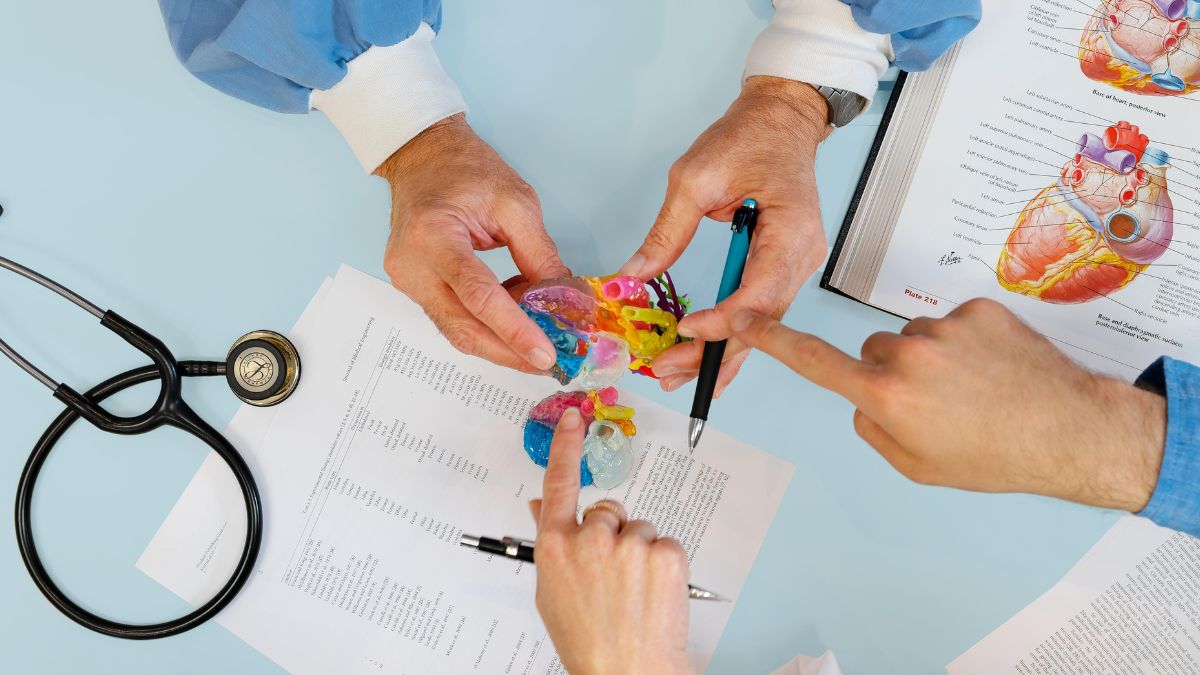
Prototyping & Validation
Medical innovation depends on speed, precision, and confidence. Stratasys 3D printers enable engineers, clinicians, and product teams to move from CAD to physical prototypes quickly, test form and function, gather feedback, and refine designs before committing to tooling or production.
Best Fit Techology:
- PolyJet Digital Anatomy™ Series or J5 MediJet: Create anatomical and highly realistic physician-facing models.
- P3™ DLP or SLA: Create accurate, smooth, high resolution prototypes and production-intent parts.
Benefits:
- Reduce iteration time by moving directly from digital design to physical prototype.
- Lower the cost and risk of early-stage development before investing in traditional tooling.
- Validate fit, form, ergonomics, assembly, and functional performance earlier in the process.

Surgical Tools & Guides
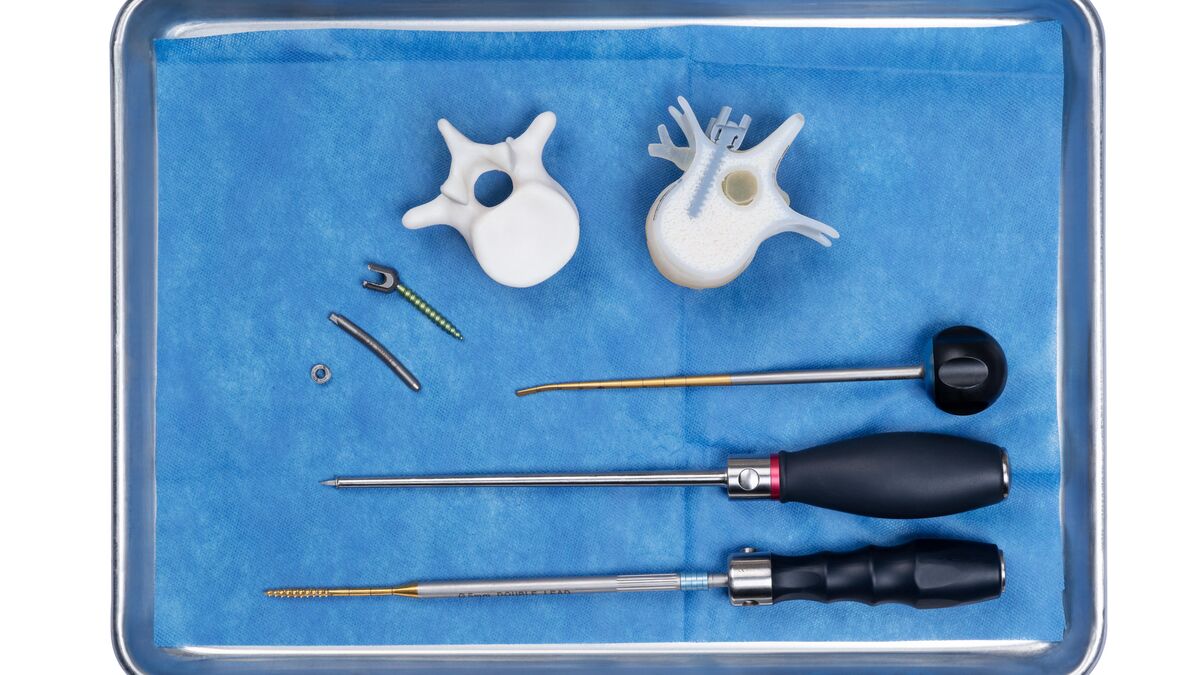
For procedures that demand accuracy, repeatability, and confidence, Stratasys medical 3D printing solutions support patient-specific models, drilling and cutting guides, and workflow-driven production using biocompatible and sterilizable material options where applicable.
Best Fit Technology:
PolyJet J5 MediJet: Create multi-material, full-color medical models, guides, and devices with biocompatible and sterilizable material options.
SLA: Produce surgical guides with high accuracy and repeatability.
Benefits:
- Support more consistent guide production using controlled digital workflows.
- Reduce dependence on traditional tooling for custom or low-volume surgical aids.
- Translate preoperative planning into patient specific physical tools.
Patient-Specific Medical Device Production
Patient-specific care often requires parts that traditional manufacturing was not designed to produce efficiently. Additive manufacturing helps medical device teams produce customized, low-volume, and high-mix parts with greater flexibility while maintaining a focus on repeatability, precision, and quality.
Best Fit Technology:
- SAF: Produce cost-effective patient-specific orthotics and devices consistently across medium-to-large production runs.
- P3 DLP: Produce accurate, repeatable, tight tolerance parts on short production runs.
Benefits
- Produce patient-specific parts without the cost and delay of dedicated molds or tooling.
- Support low-volume and high-mix production with digital manufacturing flexibility.
- Improve consistency through controlled, repeatable additive workflows.
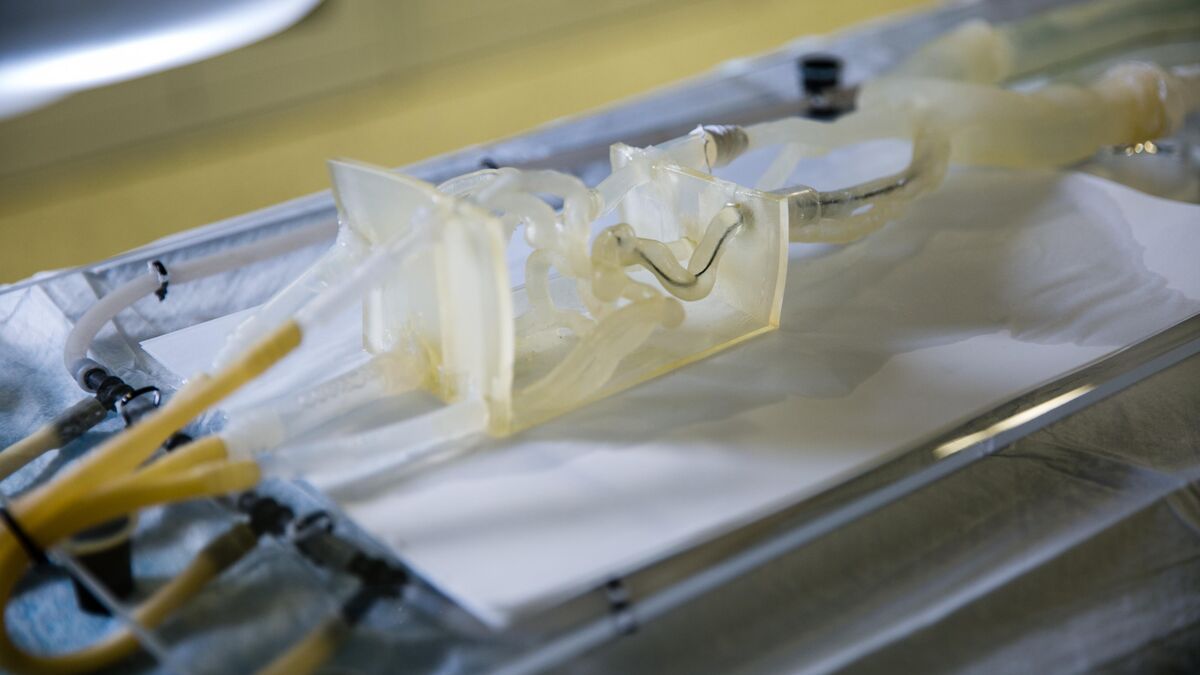
Industrial Manufacturing
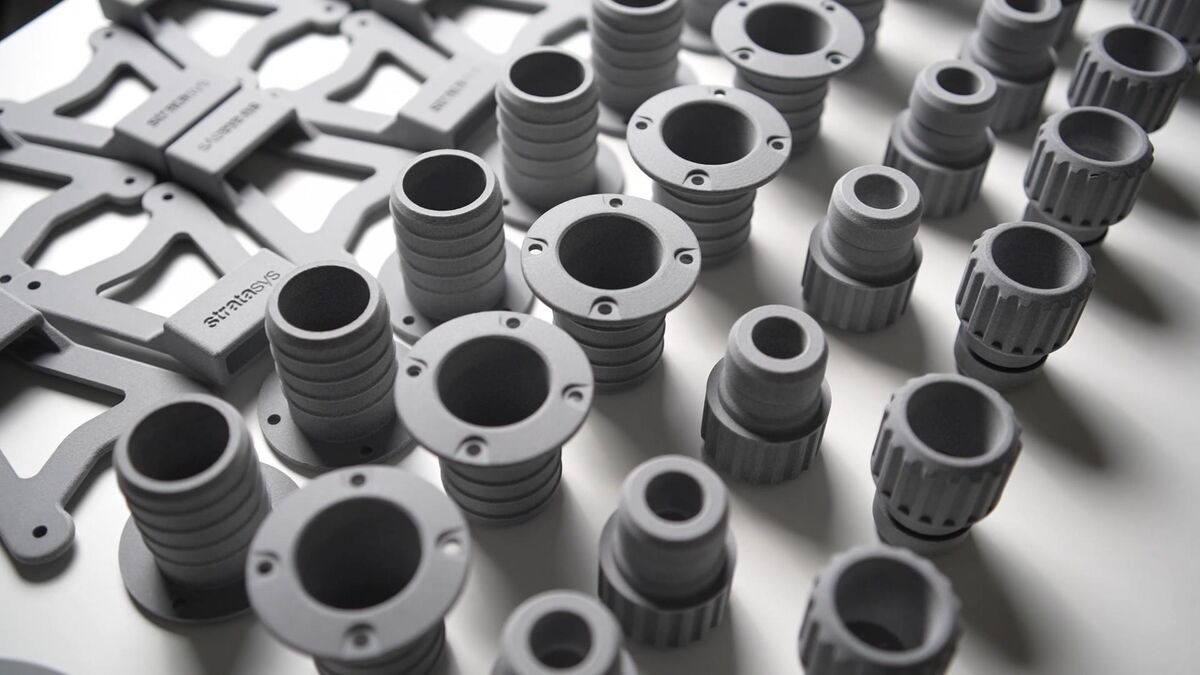
Medical device manufacturers need the same efficiency, flexibility, and reliability as any high performance production environment. Stratasys additive manufacturing supports industrial applications such as jigs, fixtures, mold tooling, connectors, and low volume production parts—helping teams reduce tooling delays, improve ergonomics, streamline assembly, and respond faster to design or supply chain changes.
Best Stratasys 3D Printers for Medical Applications
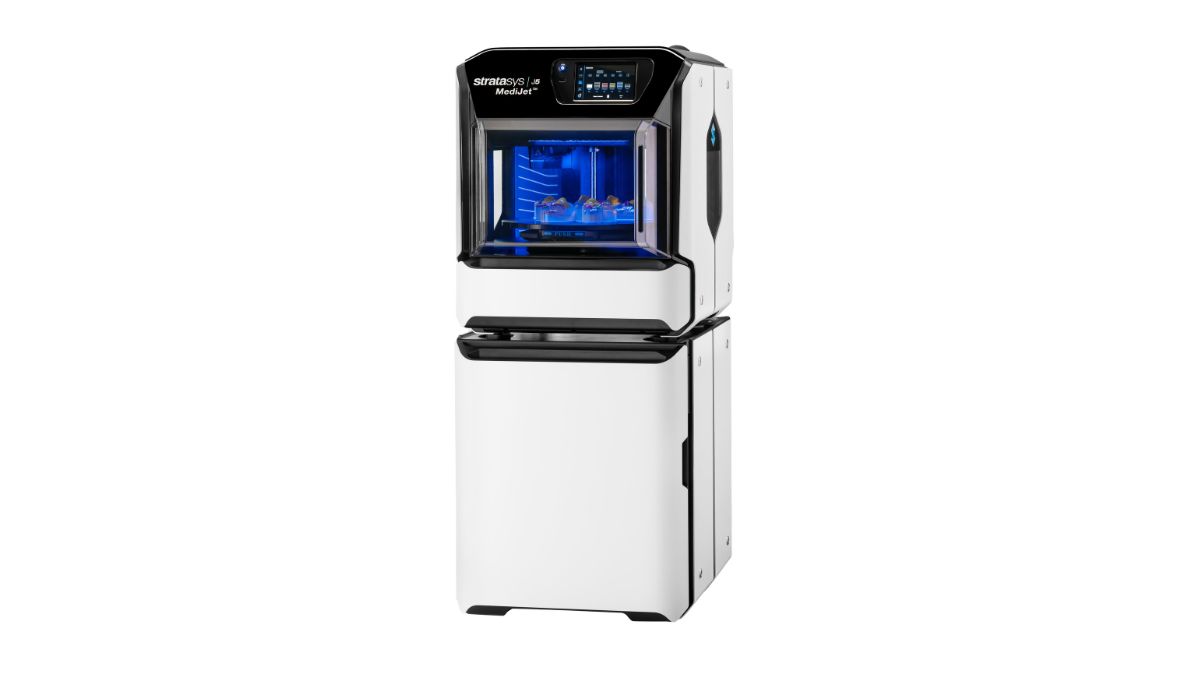
J5 MediJet® 3D Printer
The J5 MediJet printer offers multicolor and multi-material printing to produce biocompatible and sterilizable medical models and cutting guides that improve surgical planning and improve patient outcomes.
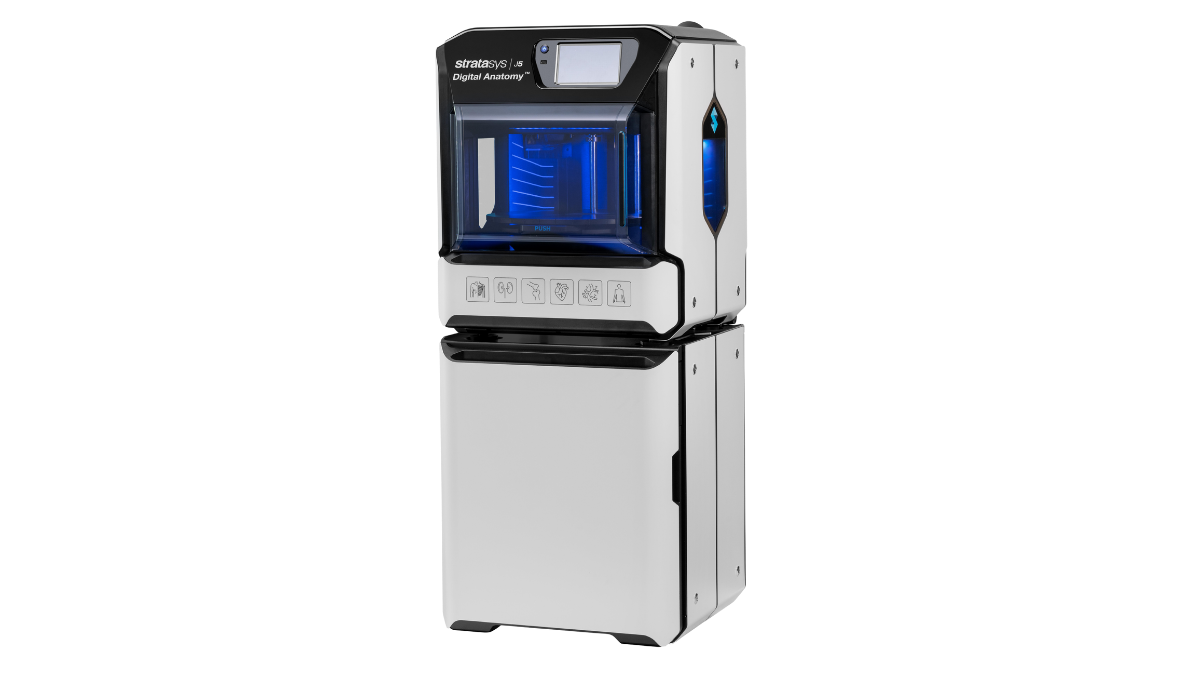
J5 Digital Anatomy™ 3D Printer
The J5 Digital Anatomy 3D printer produces tissue-mimicking models that help healthcare teams improve surgical training and preparation and accelerate medical device innovation.
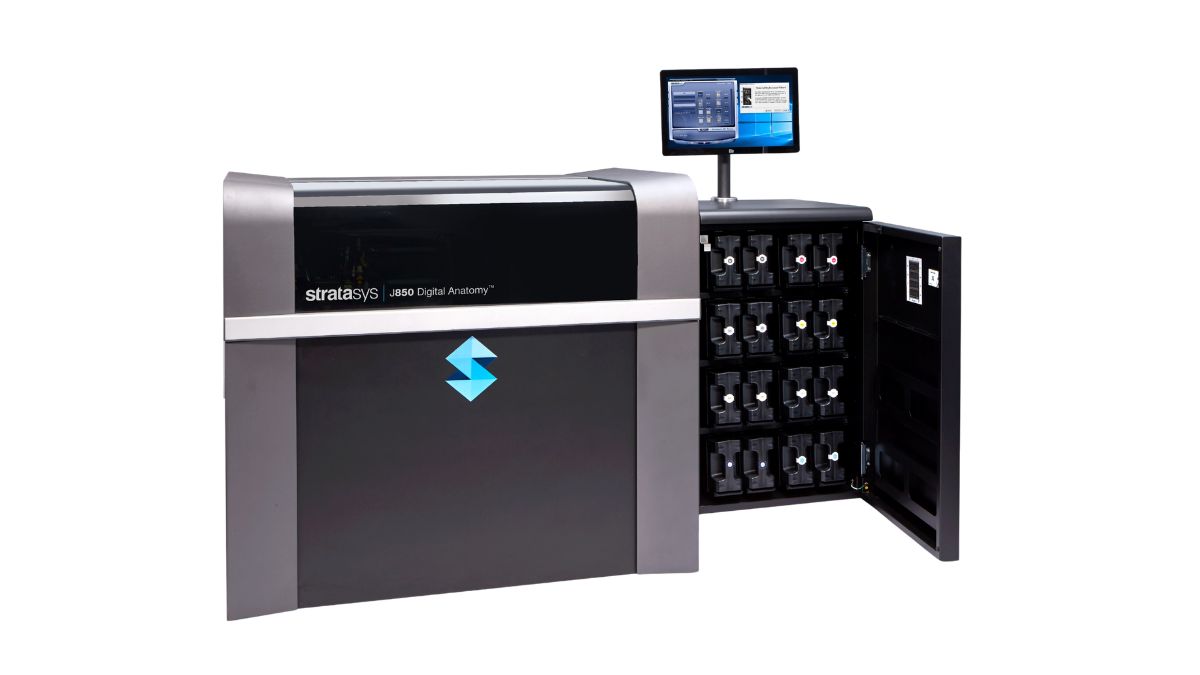
J850™ Digital Anatomy™ 3D Printer
The J850 Digital Anatomy printer produces highly realistic, tissue mimicking, complex models with a large build volume, making it the gold standard for 3D printed anatomical models.
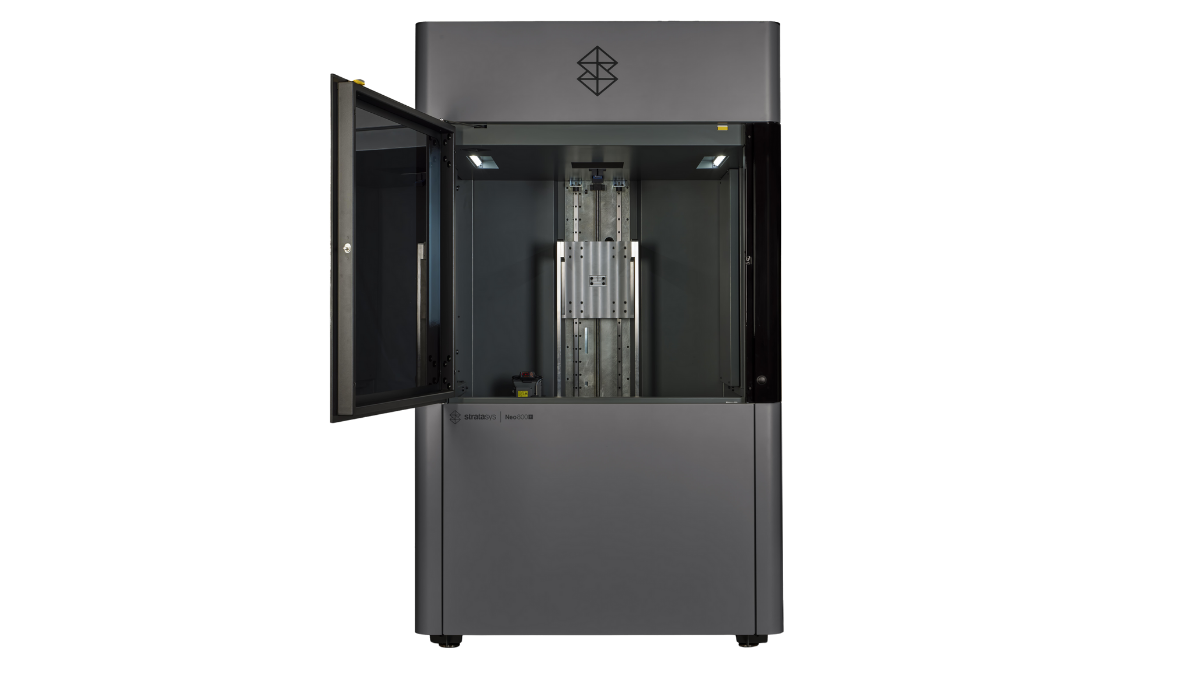
Neo® SLA 3D Printers
The Neo large-format SLA printers deliver high-quality parts with superior accuracy, surface quality, reliability, and detail making them ideal for medical device manufacturers producing prototypes, tooling, and end-use parts.
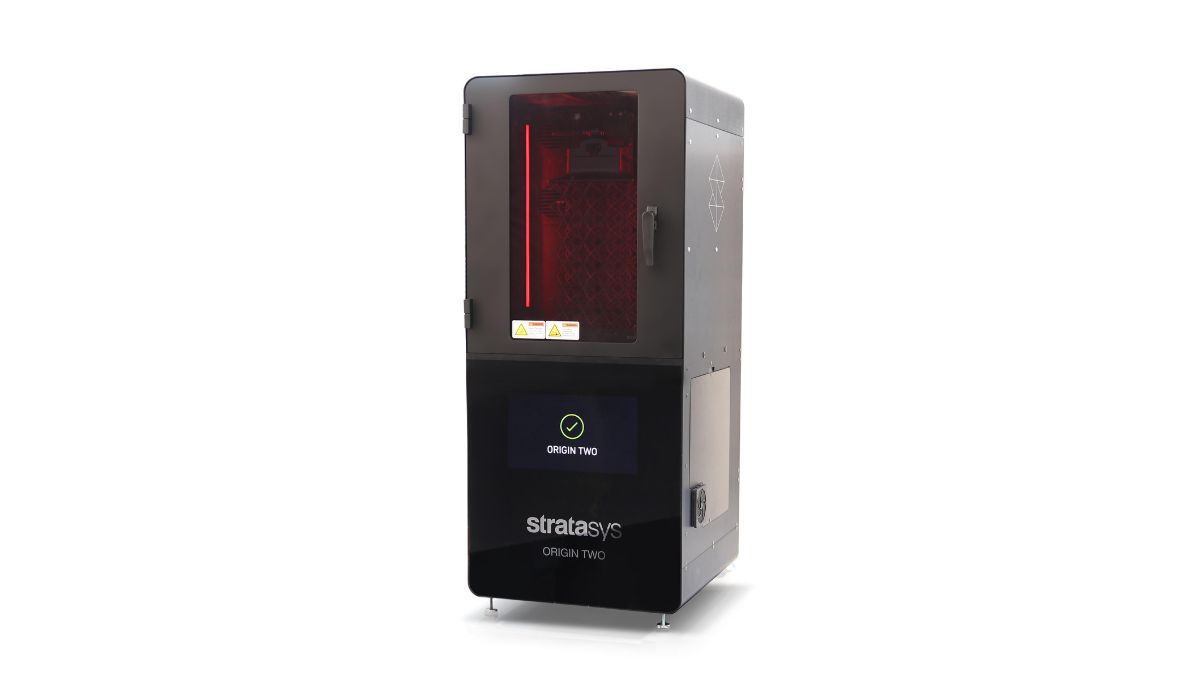
Origin® Two P3™ DLP 3D Printer
The Origin Two is ideal for medical device manufacturers due to its unmatched accuracy, repeatability, and injection mold-like precision, perfect for on-demand custom manufacturing.
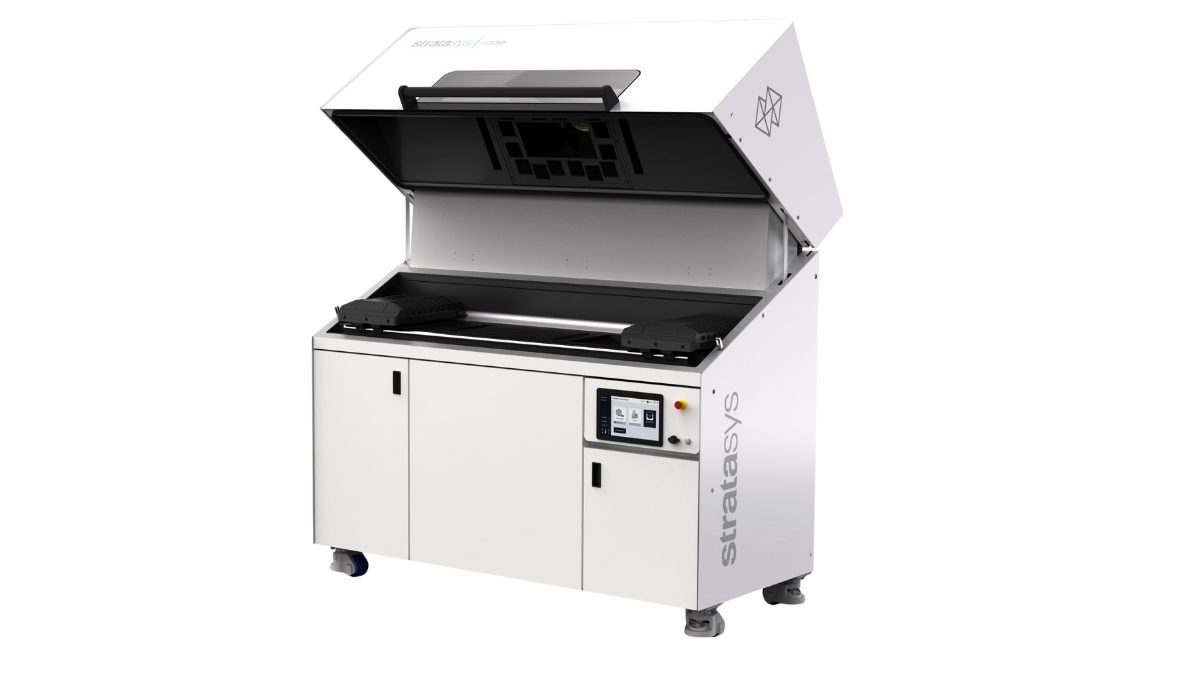
H350™ SAF 3D Printer
The H350 printer is ideal for the orthotics industry, offering high volume 3D printing production with superior consistency, low cost-per-part, and high nesting densities for maximum productivity and cost efficiency.
Services & Customer Benefits
Technical Support
When your system needs attention, we provide both online and on-site technical support. Our certified Technicians and Application Engineers are available to troubleshoot and assist you with any challenges you encounter.
Unmatched Training
At Hawk Ridge Systems, we pride ourselves in onboarding you and training you on best practices for use of your new 3D printer, ensuring you are setup for success.
Professional Services
We are fully equipped to handle all aspects of your 3D printer installation, ensuring a comprehensive and efficient setup of your Stratasys machine.