LIMITED-TIME OFFER! Save Up to 28% on SOLIDWORKS Perpetual Licenses
Save Now
Automotive 3D Printing Applications
Driving Automotive Innovation with From Concept
Validation to Production Support
Stratasys 3D printing solutions help automotive teams move faster across design, engineering, tooling, and production. From full-color PolyJet concept models to SLA wind tunnel models, printed mold tooling, casting patterns, and end-use SAF parts, Stratasys enables teams to reduce tooling dependency, optimize part performance, and produce custom parts on demand.
Industrial Design & Concept Modeling
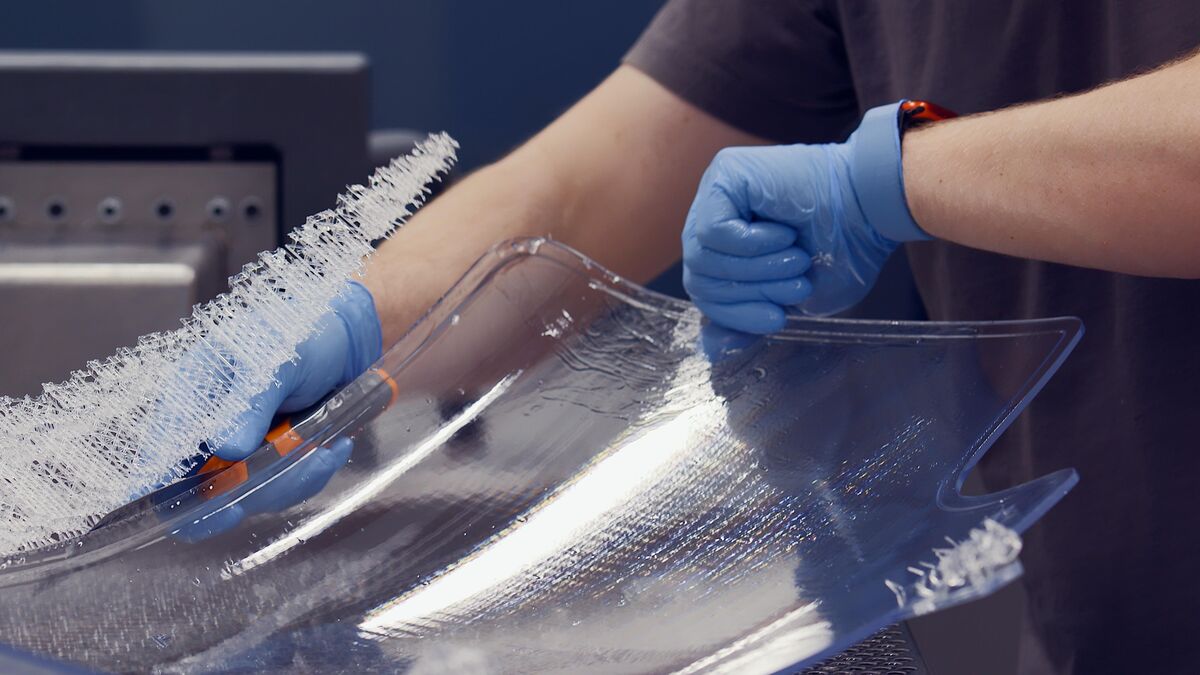
Bring design intent off the screen and into stakeholder reviews before tooling decisions are locked. Stratasys PolyJet 3D printers enable design teams to produce high-fidelity concept models with color, texture, transparency, rigid and flexible features, and CMF detail in a single workflow.
Best Fit Technology:
- PolyJet: Leverage full color and multiple materials for highly realistic concept modeling.
- SLA: Print large, smooth models when size, surface quality, and minimal post processing are critical.
Benefits:
- Reduce manual work on full-color, multi material models to reduce time by up to 75% and costs by up to 85%.
- Improve communication between design, engineering, suppliers, and decision-makers.
- Validate aesthetics, ergonomics, proportions, and CMF decisions earlier in the design cycle.
Form, Fit, and Function Prototyping
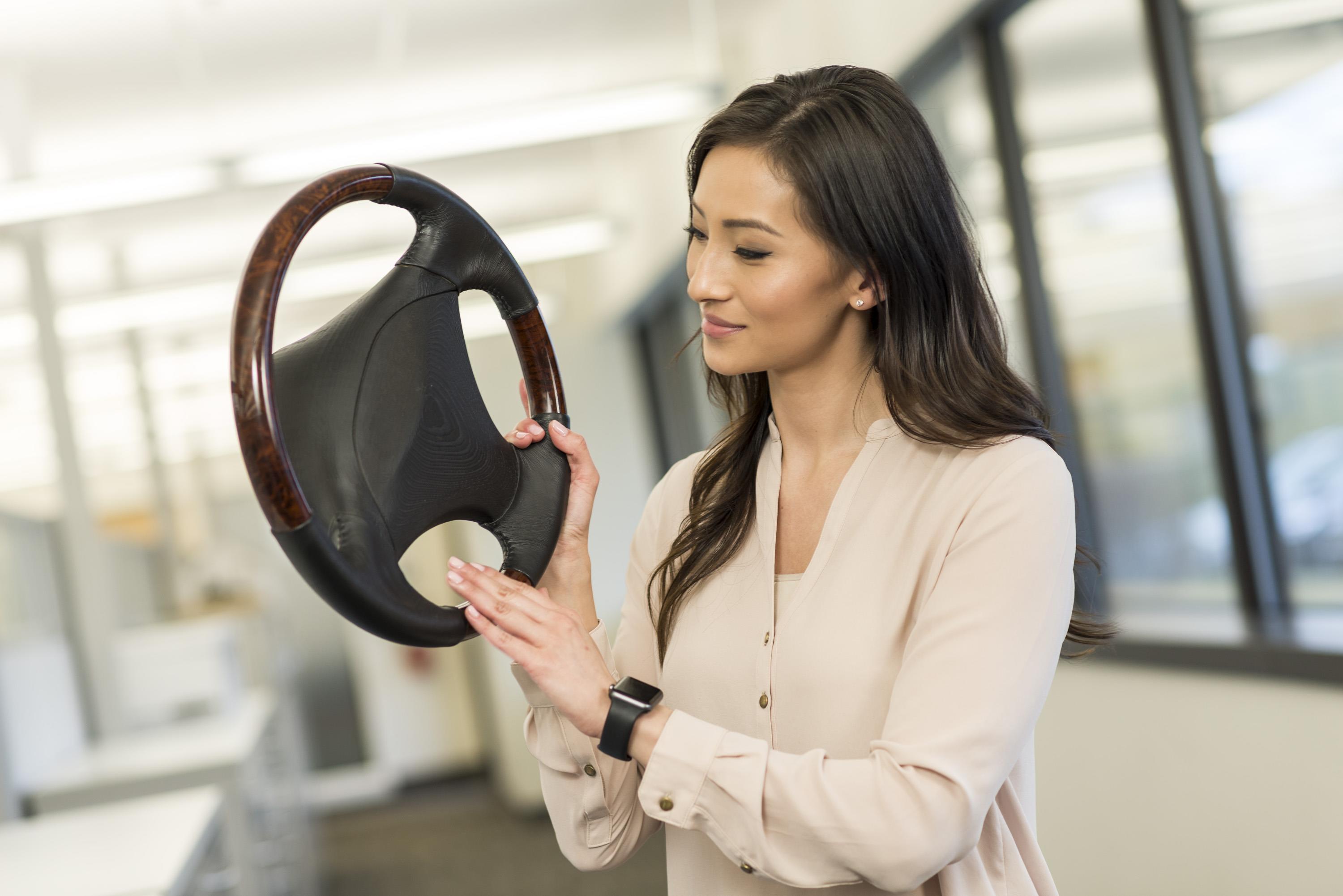
De-risk assemblies before hard tooling by printing functional prototypes that engineering teams can hold, install, inspect, and test. Check fit on assemblies, perform ergonomic reviews, and test fixtures quickly, without the long lead times of machining.
Best Fit Techology:
- PolyJet: Produce multi-material prototypes for high realism, including transparent, color, and flexible materials.
- SLA: Produce large-scale accurate prototypes when surface finish and fine detail are priorities
Benefits:
- Shorten production cycles by multiple weeks.
- Validate assembly interfaces, clearances, and service access before tooling.
- Build large prototypes in fewer sections to reduce assembly time and fit-up variation.
Wind Tunnel Modeling
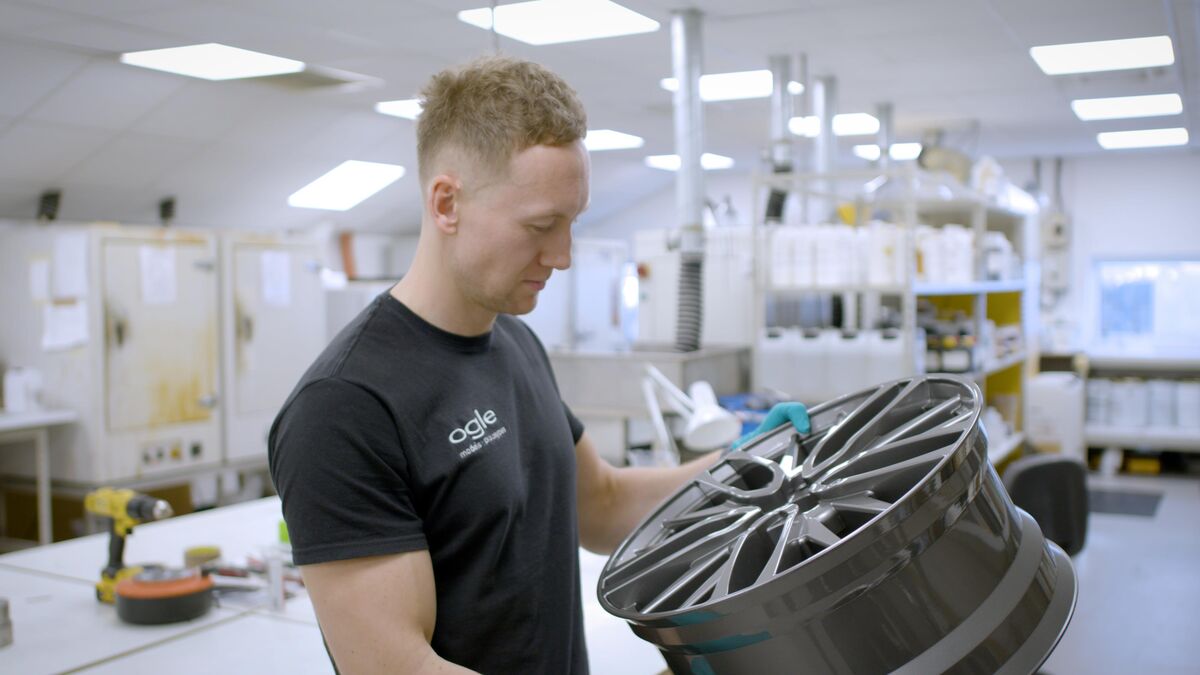
Accurate aerodynamic testing depends on models that match CAD intent, capture fine details, and stand up to demanding test environments.
Best Fit Technology:
SLA: Produce high-precision wind tunnel models with smooth surfaces and complex geometry.
Benefits:
- Reduce prototype costs by up to 50%.
- Create complex aerodynamic features and internal channels directly in the print.
- Enable faster design-test-refine cycles alongside CFD and physical validation.
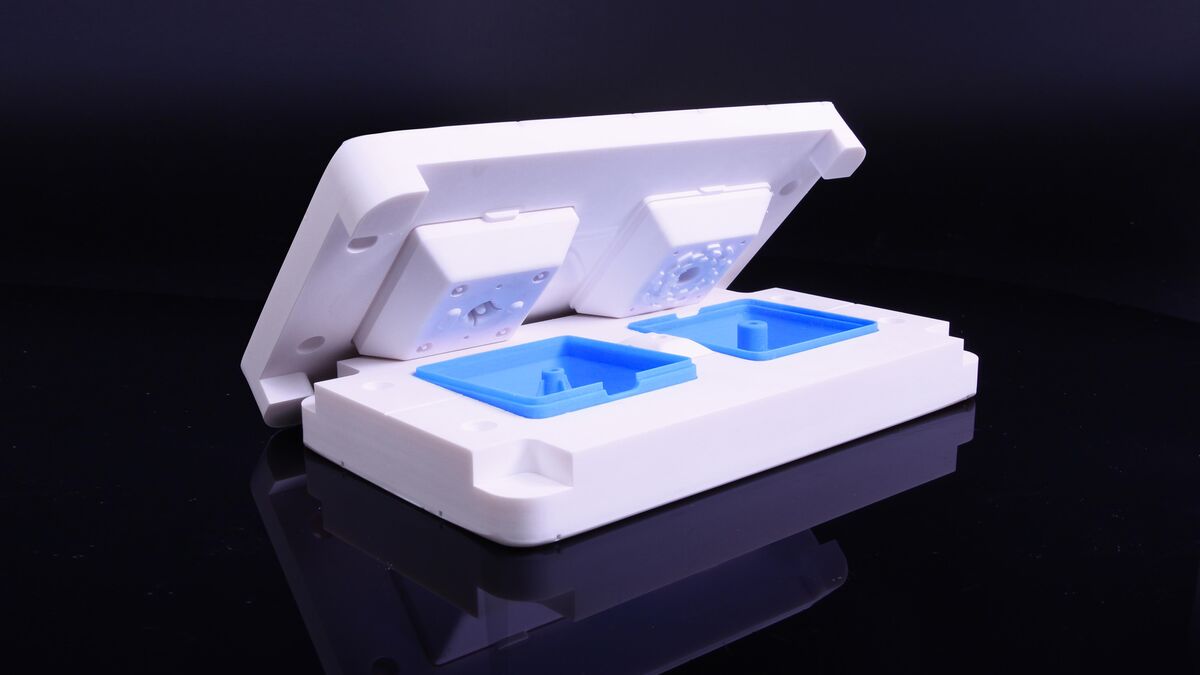
Mold Tooling
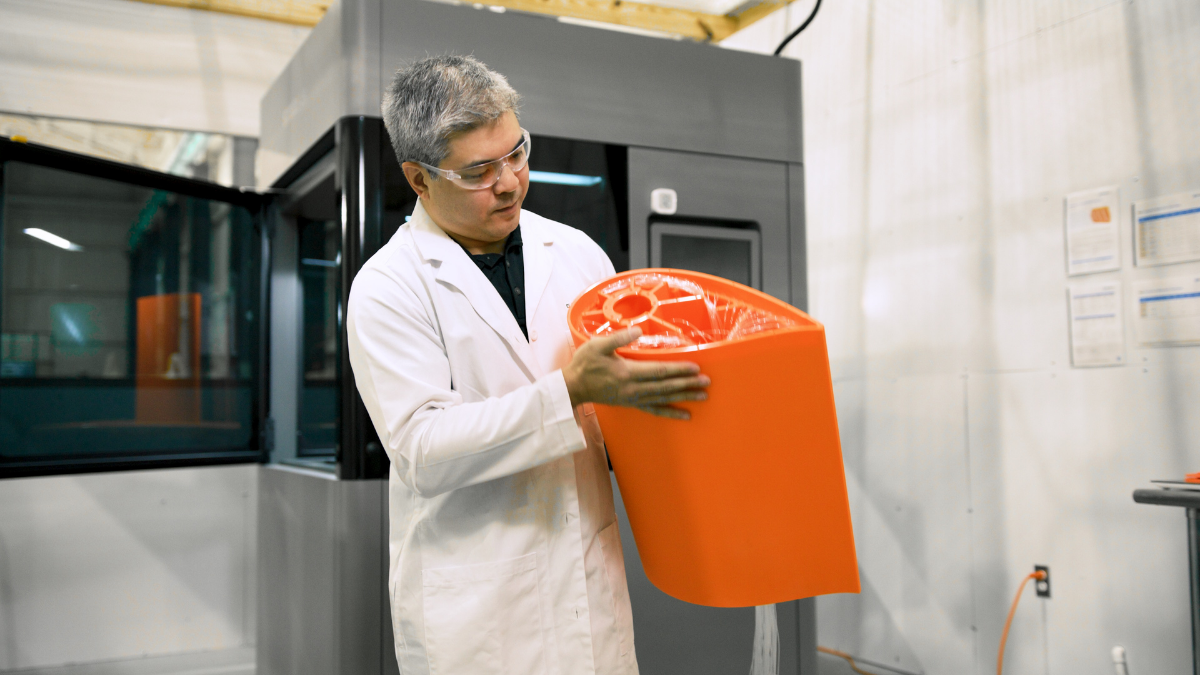
Replace long-lead machined tooling with printed mold tools, inserts, composite layup tools, sacrificial cores, thermoforming tools, trim fixtures, drill fixtures, and master tooling. This is especially valuable for prototype tooling, low-volume production, custom vehicle programs, and high-mix manufacturing environments where hard tooling cost and lead time is difficult to justify.
Best Fit Technology:
- PolyJet: Use Digital ABS Plus to produce heat
resistant, realistic prototype tooling. - SLA: Produce smooth, accurate master patterns
and rapid tooling.
Benefits:
- Reduce tooling lead times from weeks or months to days in many applications.
- Lower cost for prototype, low-volume, and high mix tooling.
- Validate molded or composite part designs before committing to hard tooling.
Casting Patterns
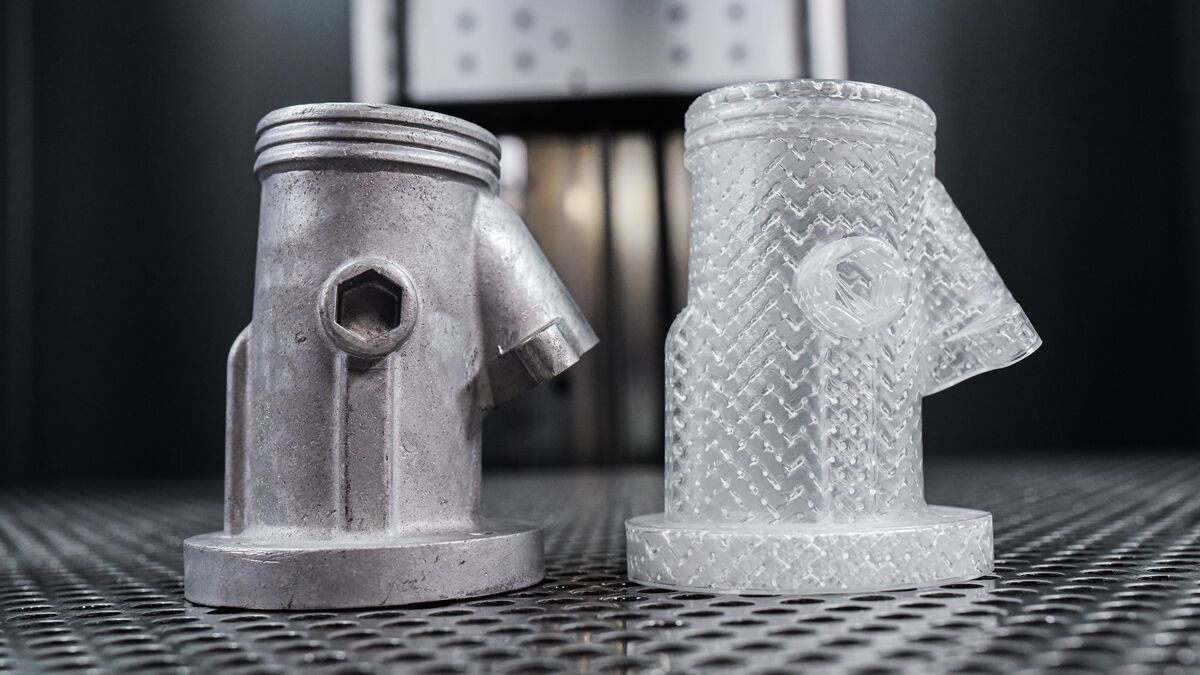
Accelerate investment casting by printing accurate master patterns directly from CAD instead of producing wax tooling. This helps foundries and automotive engineering teams produce complex metal components faster, especially for low-volume, prototype, pre-production, or performance-critical parts where tooling cost and lead time are major constraints.
Best Fit Technology:
SLA: Support intricate patterns with strong surface quality and dimensional accuracy.
Benefits:
- Create master patterns up to 75% faster than CNC machining and wax injection workflows.
- Create intricate geometries that are difficult or uneconomical with conventional wax tooling or CNC-machined patterns.
- Support faster design iteration for small-batch and complex metal components.
Industrial Manufacturing
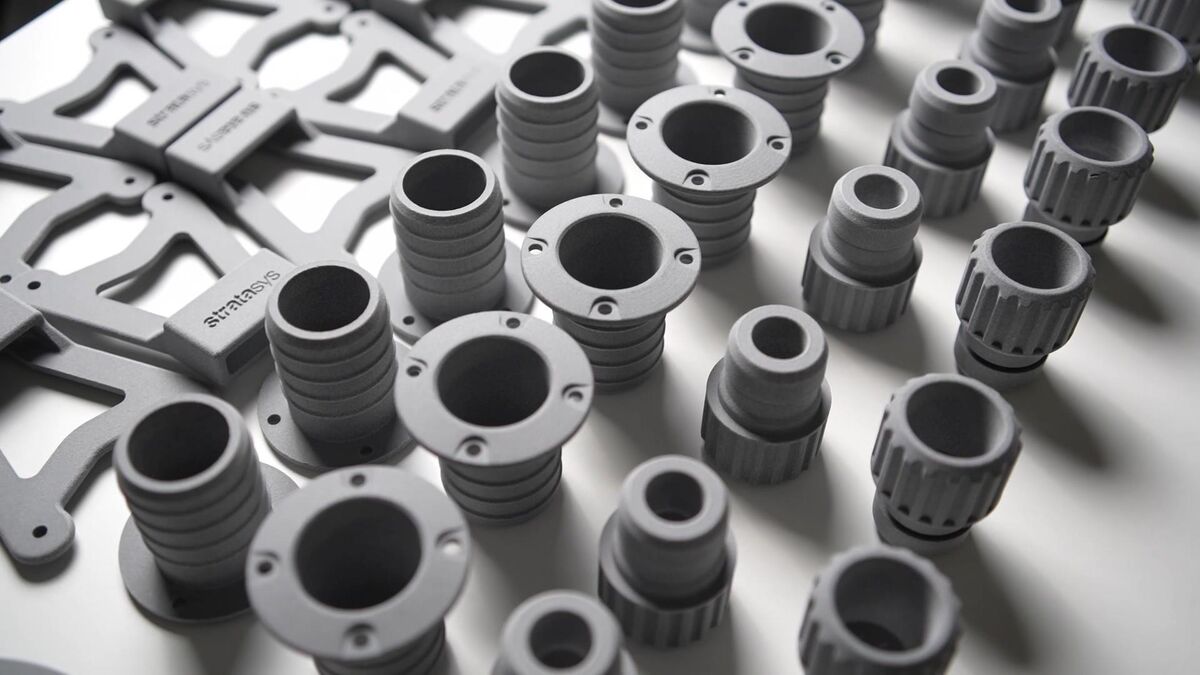
Stratasys 3D printing solutions can also support the automotive manufacturing floor with jigs, fixtures connector housings, and low volume production parts to improve efficiency, precision, ergonomics, and repeatability.
Best Stratasys 3D Printers for Automotive Applications
J35™ Pro 3D Printer
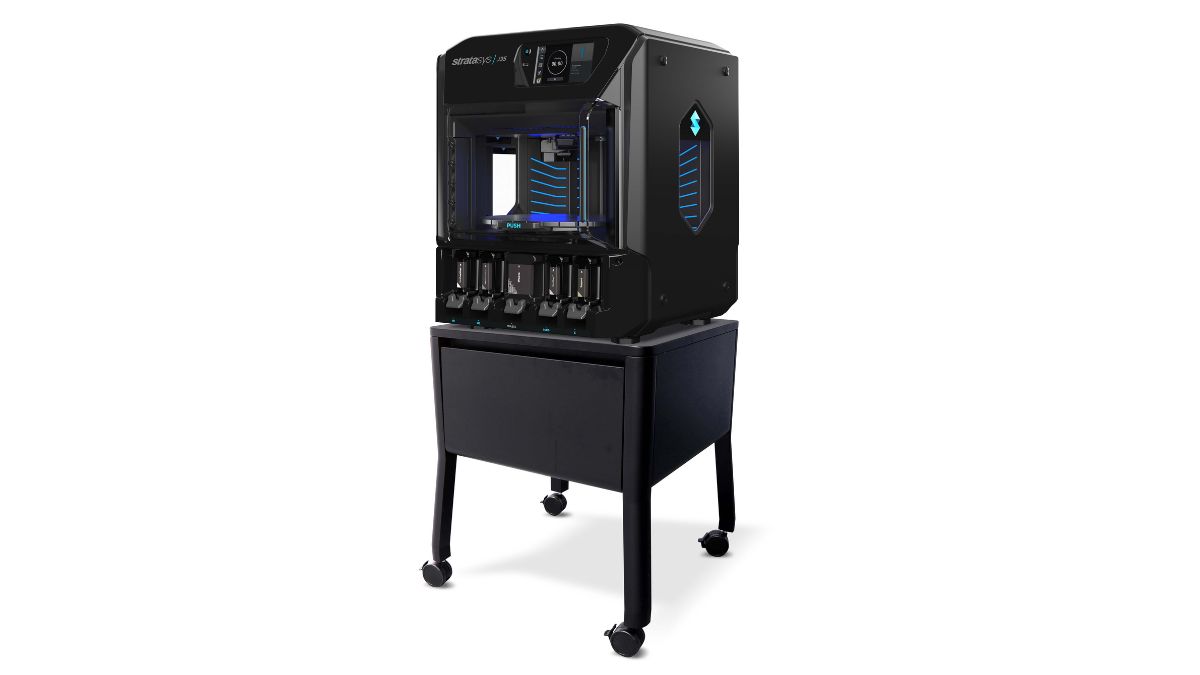
The J35 Pro is an affordable option for multi-material prototyping for testing the feel and ergonomics of the model.
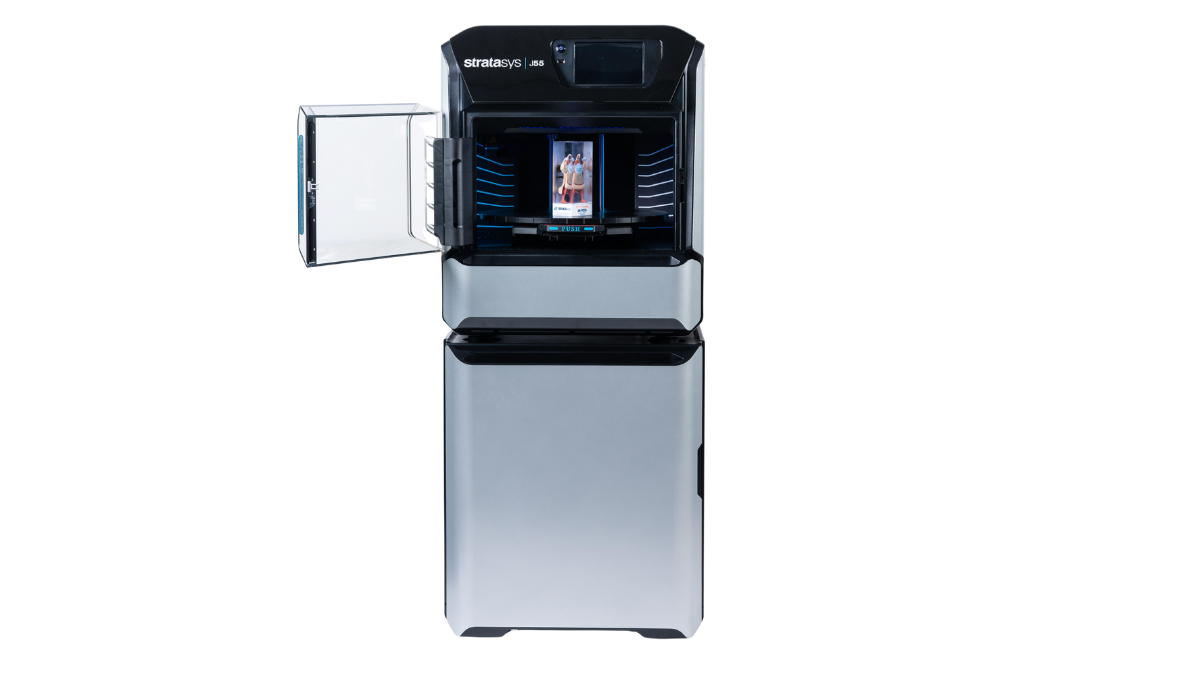
J55™ Prime 3D Printer
The J55 Prime offers an office-friendly size printer with full color capabilities for high CMF prototypes for fast design decisions.
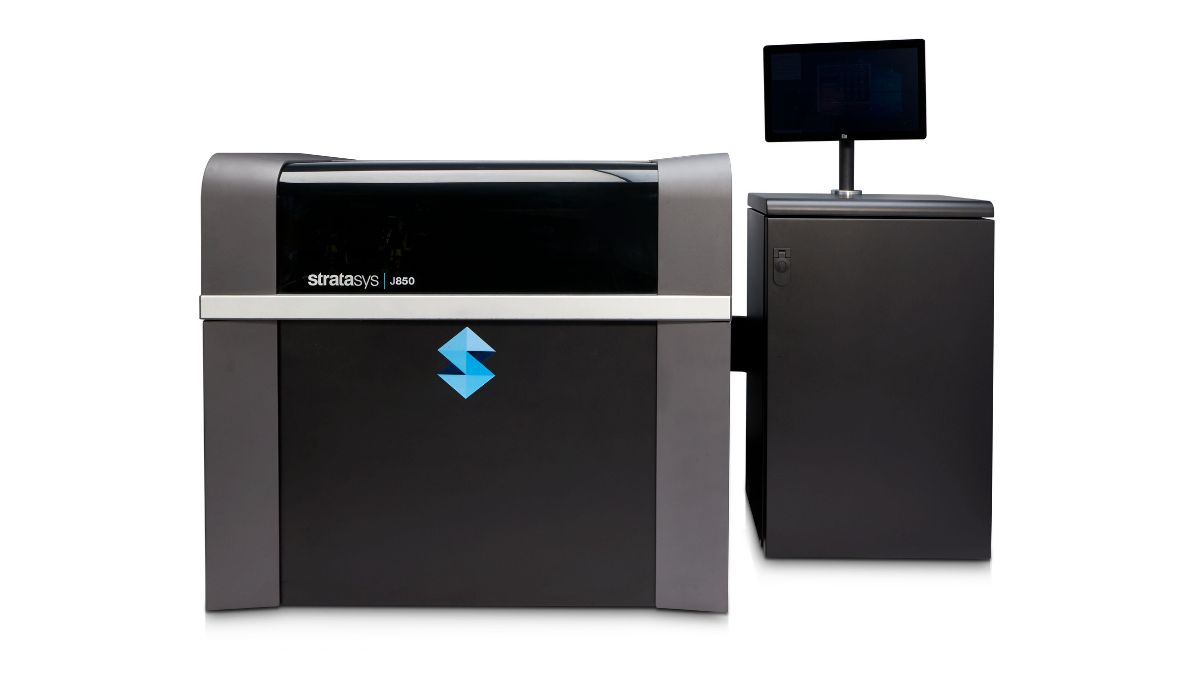
J850™ Prime 3D Printer
The J850 Prime allows design teams to print full-color prototypes that look, feel, and function like the finished product. The industrial size enables prototyping at scale and speed.
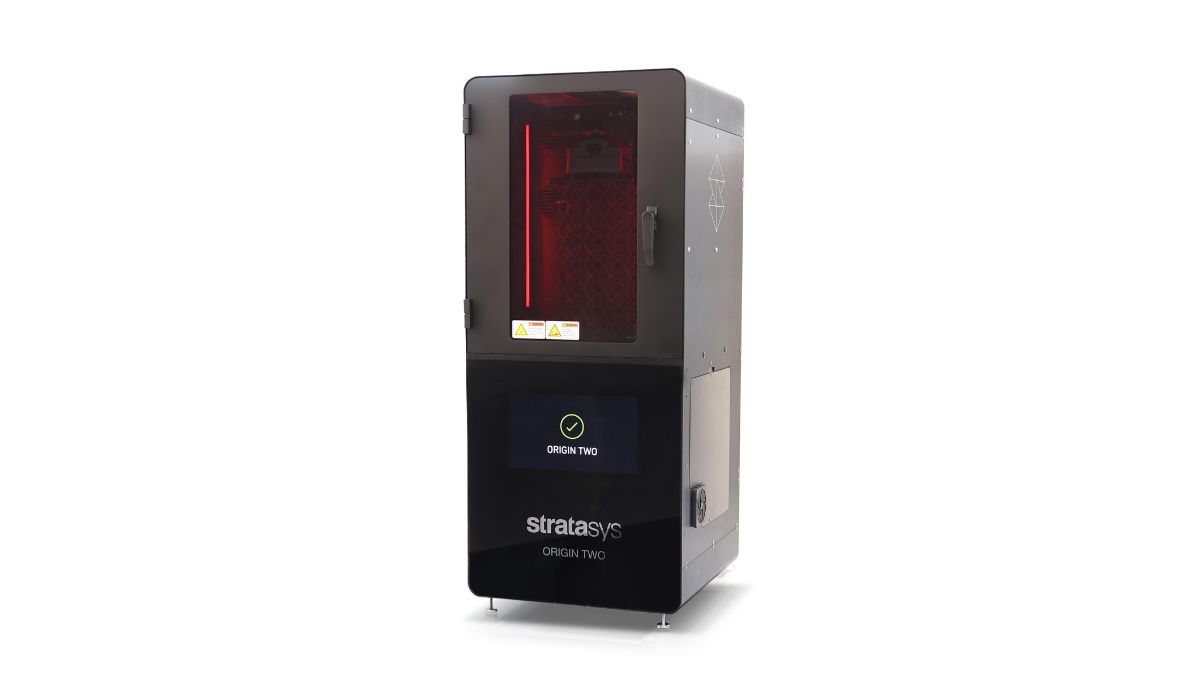
Origin® Two P3™ DLP 3D Printer
The Origin Two is ideal for automotive parts due to its unmatched accuracy, high throughput, and injection mold-like precision and surface finish.
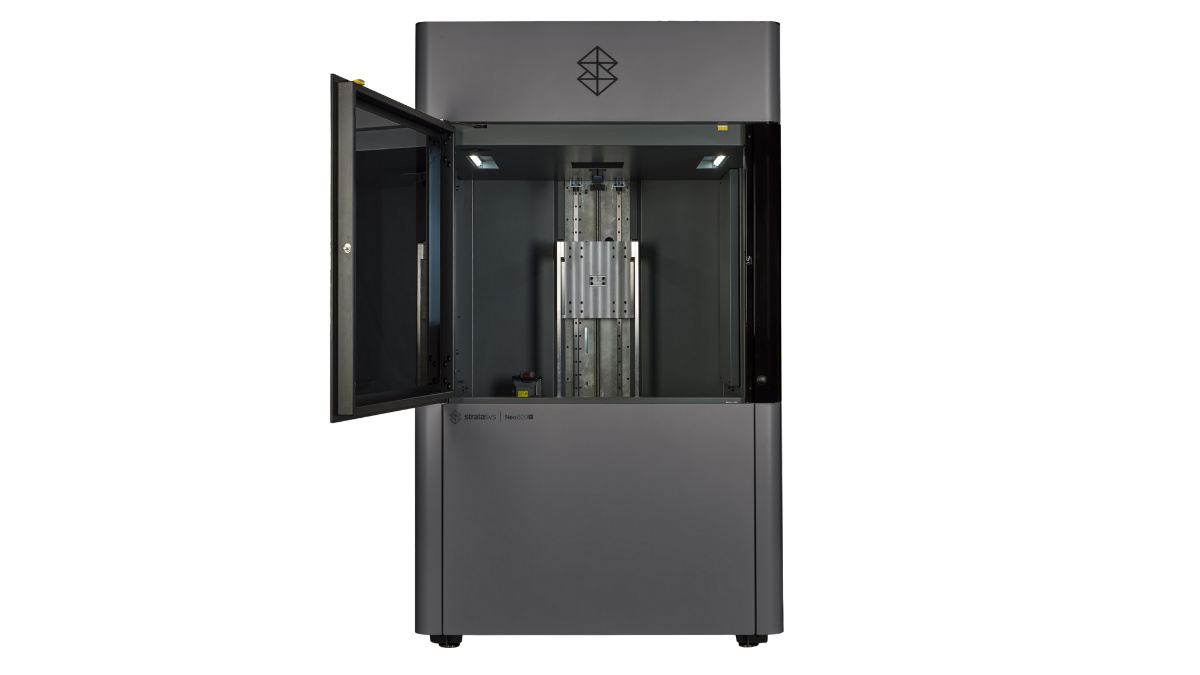
Neo® SLA 3D Printers
The Neo printers offer a robust additive manufacturing solution for large scale prototyping, wind tunnel modeling, and investment casting with superior accuracy, surface quality, and detail.
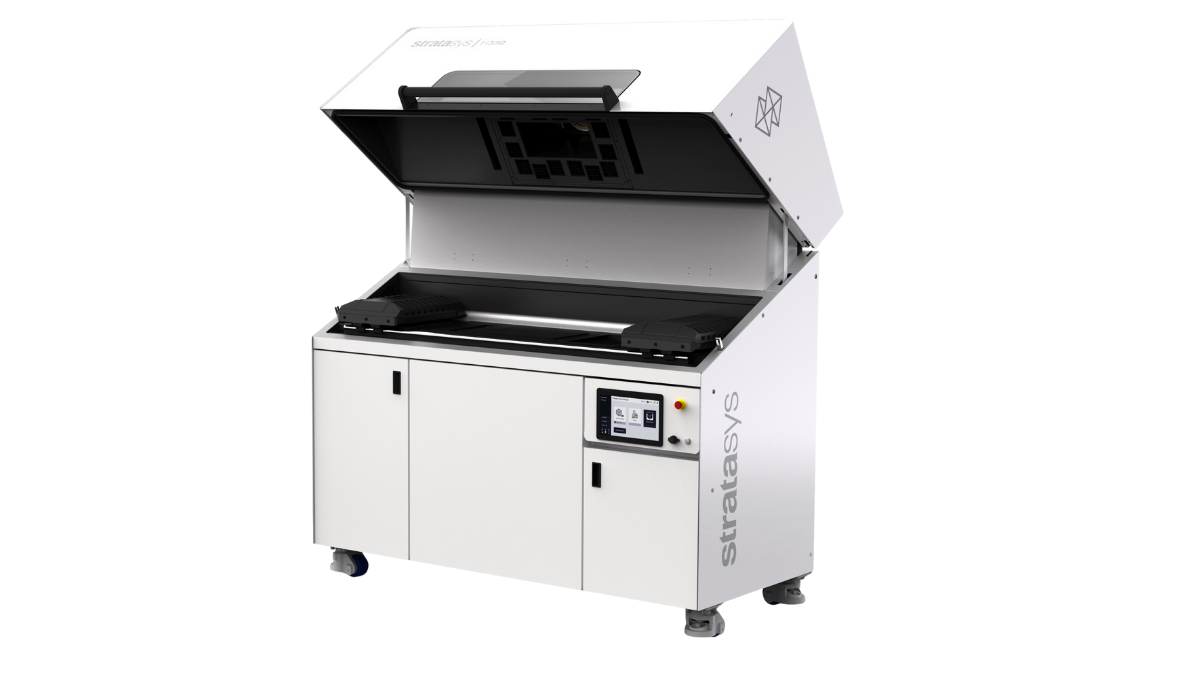
H350™ SAF 3D Printer
The H350 printer offers a highly consistent option for mid-to-high volume production of jigs, fixtures, MRO parts, and end-use parts, featuring low cost-per-part and high nesting densities for maximum productivity and cost efficiency.
Services & Customer Benefits
Technical Support
When your system needs attention, we provide both online and on-site technical support. Our certified Technicians and Application Engineers are available to troubleshoot and assist you with any challenges you encounter.
Unmatched Training
At Hawk Ridge Systems, we pride ourselves in onboarding you and training you on best practices for use of your new 3D printer, ensuring you are setup for success.
Professional Services
We are fully equipped to handle all aspects of your 3D printer installation, ensuring a comprehensive and efficient setup of your Stratasys machine.