LIMITED-TIME OFFER! Save Up to 28% on SOLIDWORKS Perpetual Licenses
Save Now
AI-Powered MES Platform
StartProto: Simplify Manufacturing Operations from Quote to Delivery
Connect quoting, job scheduling, purchasing, inventory, and shop floor operations in one AI-powered manufacturing platform. StartProto helps manufacturers improve visibility, reduce manual work, and keep production moving.
Key Benefits
One Platform for Manufacturing Operations
Bring quoting, planning, production, inventory, and quality management together to reduce disconnected workflows and improve efficiency.
Smarter Production Scheduling
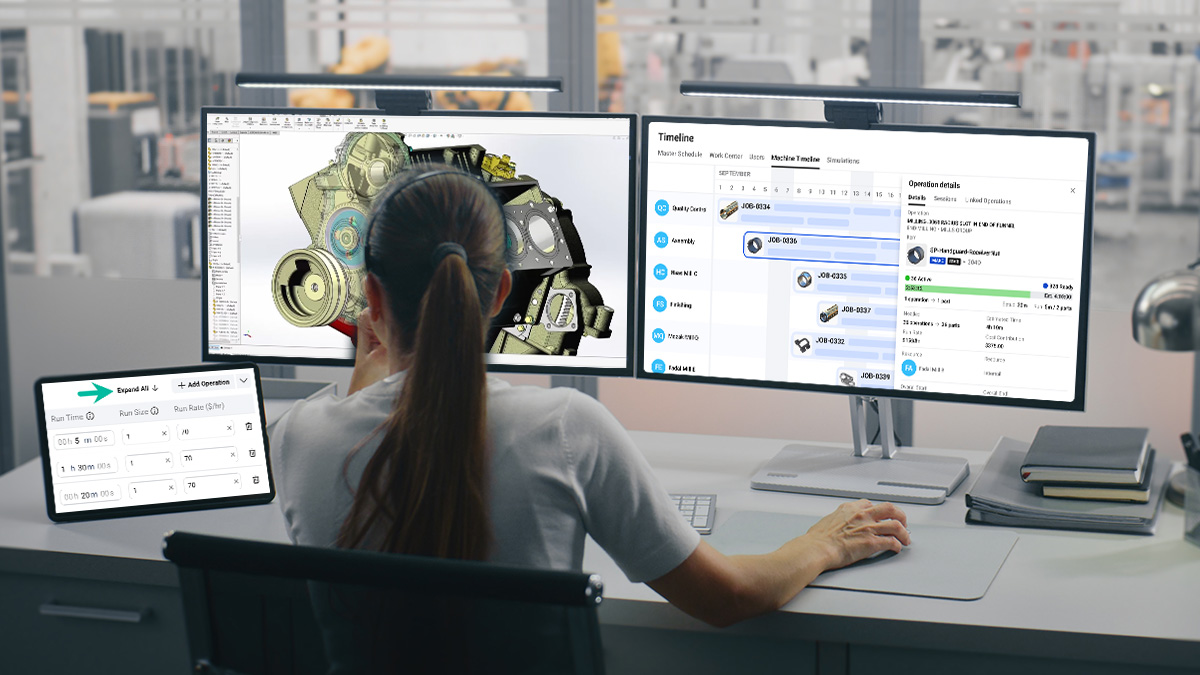
Plan jobs, assign resources, and adjust priorities with greater visibility into workloads, machine availability, and production progress.
More Accurate Quoting & Cost Estimation
Use manufacturing data to develop consistent estimates, understand job costs, and make more informed pricing decisions.
Streamlined Inventory & Purchasing
Track materials, monitor inventory levels, and plan purchases based on production requirements to help avoid shortages and unnecessary delays.
Real-Time Shop Floor Visibility
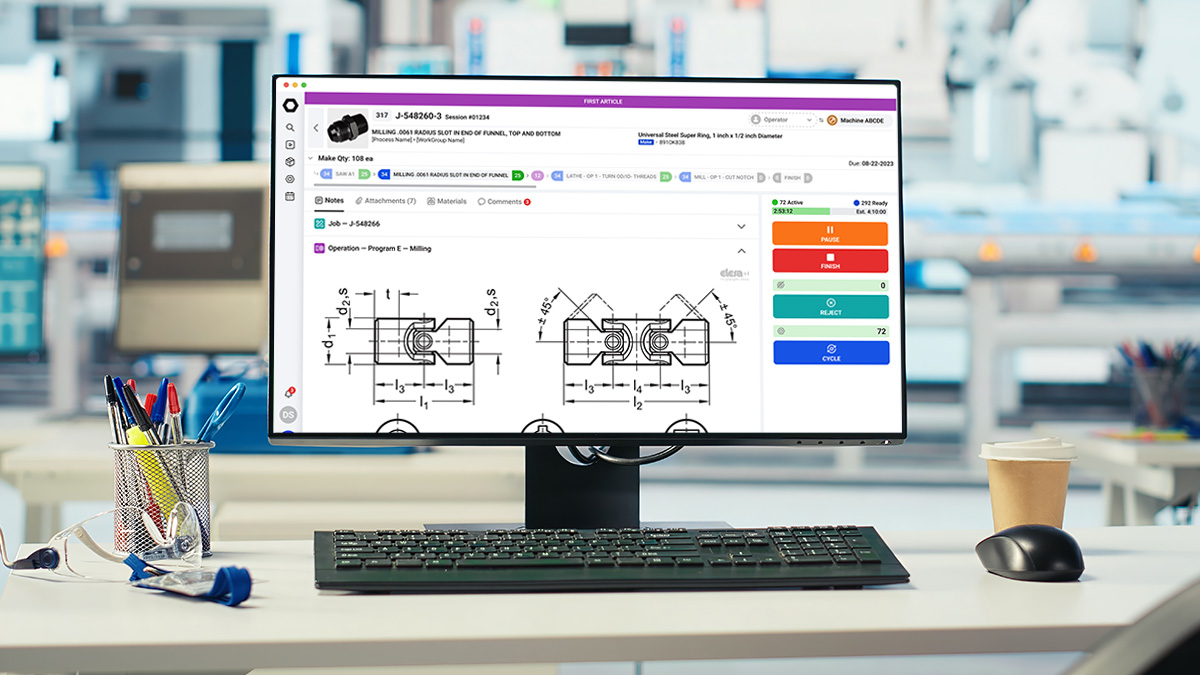
Give operators clear work instructions and provide managers with up-to-date information on job status, work in progress, and production priorities.
Built-In Quality Management
Support consistent manufacturing processes with first article tracking, nonconformance management, and inspection steps throughout production.
Take Control of Your Manufacturing Operations with StartProto
When information is spread across spreadsheets, disconnected systems, and manual processes, keeping everything on track becomes a challenge.
StartProto brings these workflows together in a cloud-based manufacturing management platform designed for modern manufacturers. From creating quotes and bills of materials to scheduling production, managing inventory, and tracking jobs on the shop floor, StartProto helps teams work with greater efficiency and visibility.
With AI-powered insights and workflow automation, manufacturers can spend less time chasing information and more time delivering quality products on schedule.
Keep Production Moving When Schedules Shift
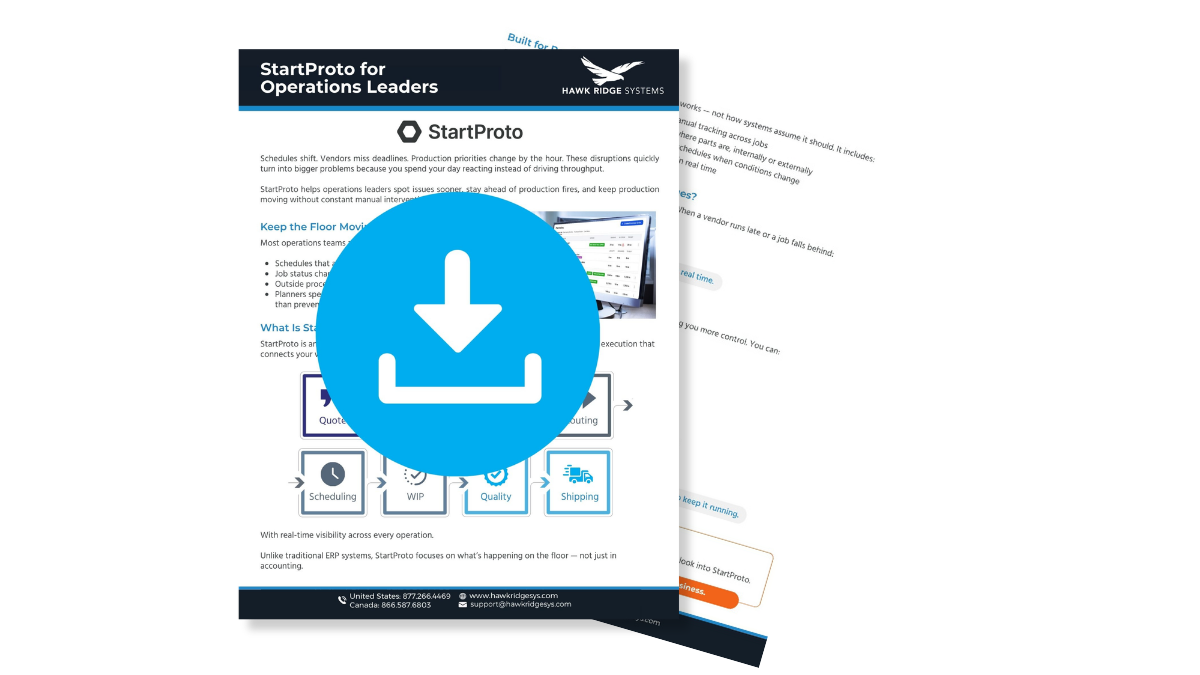
Download this free StartProto guide to see how AI-powered MES helps operations teams spot delays sooner, reduce manual follow-up, and keep jobs moving from quote to shipping.
Connect Your Manufacturing Tools and Workflows
Reduce duplicate data entry, improve information sharing, and create a more connected workflow from design through manufacturing.
SOLIDWORKS
Connect engineering and manufacturing workflows by bringing relevant CAD and product information into your manufacturing management processes.
QuickBooks & Xero
Connect manufacturing operations with accounting workflows to improve financial visibility and reduce manual data entry.
Paperless Parts
Connect quoting and manufacturing workflows to help carry important job information from estimating into production.
Onshape & Autodesk Fusion
Support connected design-to-manufacturing workflows by integrating engineering information with downstream manufacturing operations.
NetSuite
Connect manufacturing and business systems to improve operational visibility and support more consistent data management.
Google Sheets & Other Business Applications
Connect StartProto with familiar business tools to support reporting, collaboration, and information sharing across teams.
See the StartProto AI OS in Action
Discover how StartProto connects the people, processes, and information behind your manufacturing operations. Explore how quoting, bills of materials, production scheduling, purchasing, inventory, and shop floor management work together in one centralized platform.
See how real-time visibility and AI-assisted workflows help manufacturers make better decisions, reduce administrative work, and keep jobs moving from order to delivery.
Frequently Asked Questions
It’s a good time to consider StartProto when your internal queue is backed up, a job is going to miss a deadline, or the part doesn’t fit your current machine availability. Most teams use it to keep working not as a replacement for what they already have.
It usually comes down to urgency, material requirements, and machine availability. If a job is going to delay other work or miss a deadline, it’s a good candidate to route externally.
No. You can keep using your existing systems — CAD, print queues, spreadsheets. This just gives you another option when scheduling gets tight.
Turnaround depends on part complexity and process, but the goal is predictable lead times you can plan around — not last-minute surprises.
Anything from quick-turn concept models to functional prototypes. Most teams use it for parts that are needed quickly or would otherwise delay the schedule.
Parts are produced using standardized processes and controlled environments to ensure repeatability. It’s especially important for validation and presentation parts.
Instead of jobs sitting in queue or forcing schedule changes, you have a way to move work forward. That helps reduce backlog, stabilize schedules, and keep downstream work from slipping.